Proserpine and Midas
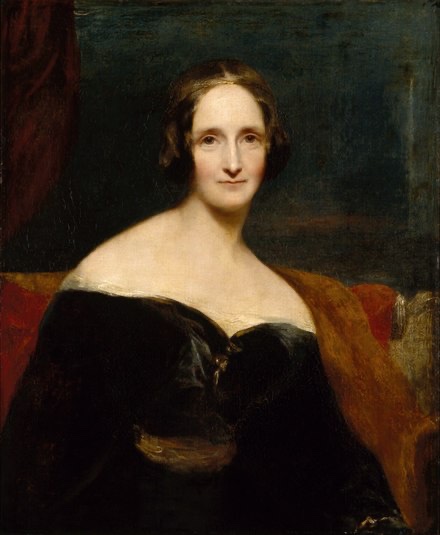
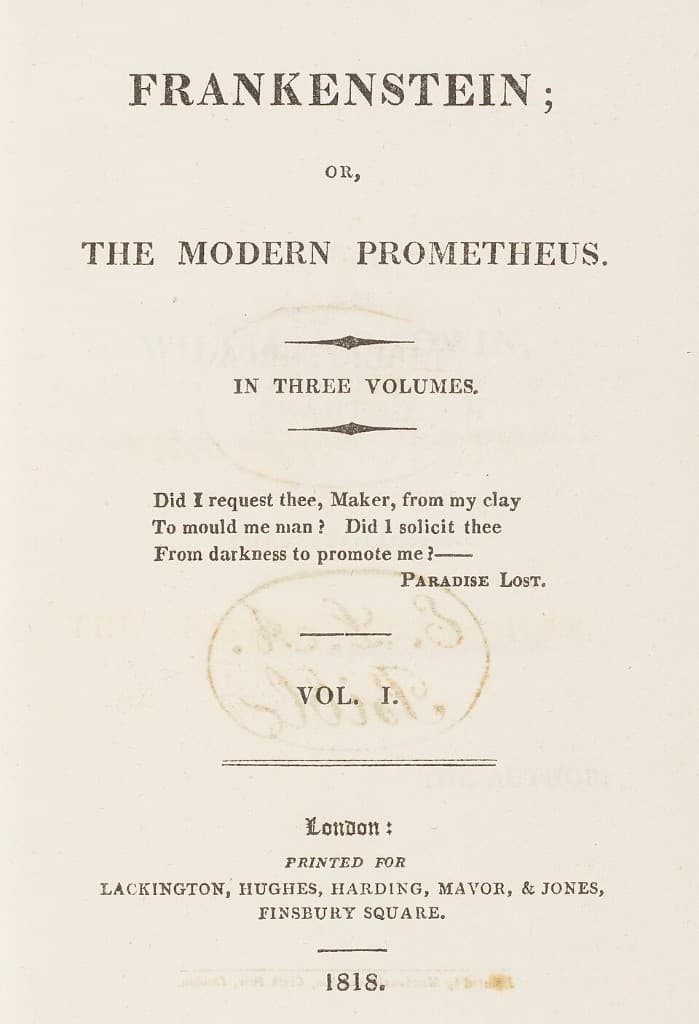
Mary Wollstonecraft Shelley isn't only the author of Frankenstein. She was also a deeply engaged reader of classical myth who returned to ancient stories with Romantic intensity. These two unpublished dramas, likely written in the early 1800s, show her reimagining stories about dangerous wishes and irreversible loss. In "Proserpine," the goddess of spring is carried into the underworld while her mother Ceres searches frantically for her, a tale of maternal love turned to grief, and the origin of the seasons. In "Midas," a king who flattered the wrong god receives his golden touch, only to discover its true cost. Shelley writes with lyrical urgency, letting her language bloom even as it contemplates darker questions: what do we sacrifice when we get what we desire? These aren't gentle retellings. They carry the weight of Shelley's own losses and her intellectual restlessness, written by someone who understood that the old myths still had teeth.
Editions
Link to this book
Add a free, dofollow link to Lex on your blog, forum, syllabus, or reading list.

<a href="https://lex-books.com/book/proserpine-and-midas-34ac1443-434b-4c01-8f9c-49eed9e14528"><img src="https://lex-books.com/badges/read-on-lex.svg" alt="Read Proserpine and Midas by Mary Wollstonecraft Shelley free on Lex" width="160" height="40"></a>[](https://lex-books.com/book/proserpine-and-midas-34ac1443-434b-4c01-8f9c-49eed9e14528)[url=https://lex-books.com/book/proserpine-and-midas-34ac1443-434b-4c01-8f9c-49eed9e14528][img]https://lex-books.com/badges/read-on-lex.svg[/img][/url]Read Proserpine and Midas by Mary Wollstonecraft Shelley free on Lex: https://lex-books.com/book/proserpine-and-midas-34ac1443-434b-4c01-8f9c-49eed9e14528Cite this book
Reading this edition for a paper or guide? Copy a citation.
Shelley, Mary Wollstonecraft. Proserpine and Midas. Lex, lex-books.com/book/proserpine-and-midas-34ac1443-434b-4c01-8f9c-49eed9e14528.Shelley, M. W. (n.d.). Proserpine and Midas. Lex. https://lex-books.com/book/proserpine-and-midas-34ac1443-434b-4c01-8f9c-49eed9e14528Shelley, Mary Wollstonecraft. Proserpine and Midas. Lex. https://lex-books.com/book/proserpine-and-midas-34ac1443-434b-4c01-8f9c-49eed9e14528.