Flower Fables
1855
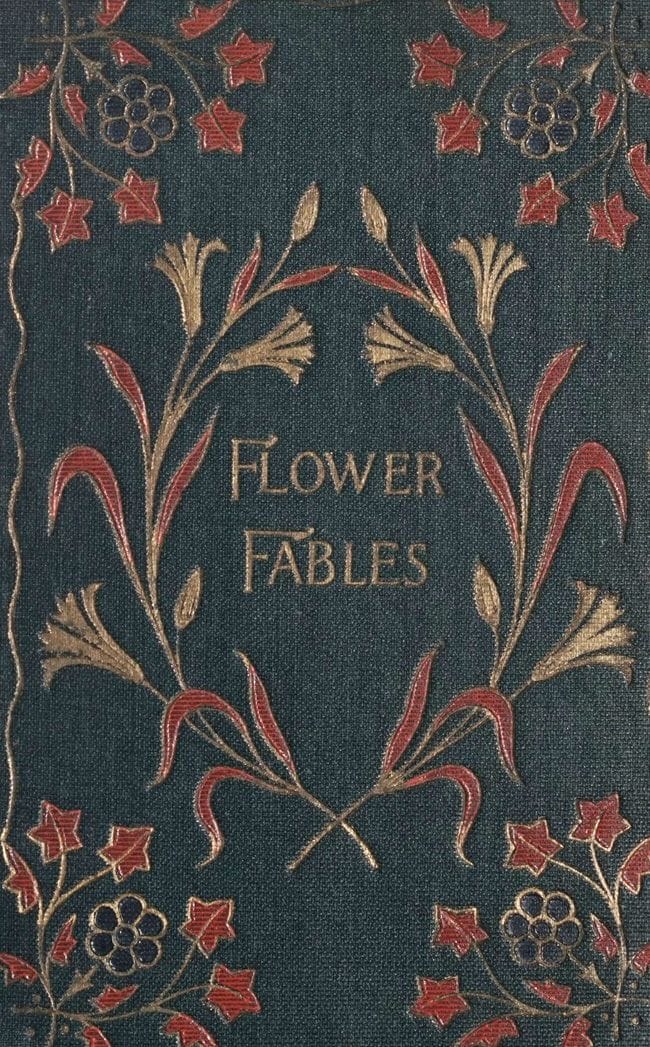
Flower Fables
1855
Before Little Women made her famous, Louisa May Alcott wrote these tales for a young girl named Ellen Emerson. Written when Alcott was just twenty-two, Flower Fables represents the earliest flowering of a writer who would later reshape American literature. These aren't grim fairy tales, they're gentle, luminous stories where fairies hold council under summer moons, where elves dance through meadows, and where a brave fairy named Violet confronts the icy terror called the Frost-King, armed with nothing but love. Each fable ripples with Alcott's deep reverence for the natural world and her conviction that kindness, offered freely, can thaw even the coldest heart. The stories move with the unhurried grace of a Victorian afternoon, letting young readers linger in realms where flowers speak and animals counsel the wise. What makes these fables endure isn't their sophistication, it's their earnestness. Alcott believed storytelling could shape young souls, and these fables carry that hope in every sentence. They belong to readers who still believe in the magic hidden in gardens, who need stories that promise goodness is real and compassion conquers all.
Editions
X-Ray
“Long stayed the messenger, and deeper grew his wonder that the Fairy could have left so fair a home, to toil in the dreary palace of his cruel master, and suffer cold and weariness, to give life and joy to the weak and sorrowing.””
— Louisa May Alcott
“This is a fairy flower,' said the Elf, 'invisible to every eye save yours; now listen while I tell its power. When your heart is filled with loving thoughts, when some kindly deed has been done, some duty well performed, then from the flower there will arise the sweetest, softest fragrance, to reward and gladden you.””
— Louisa May Alcott
“few are the mortals to whom we give this lovely gift; what to you is now so full of music and of light, to others is but a pleasant summer world; they never know the language of butterfly or bird or flower, and they are blind to all that I have given you the power to see.””
— Louisa May Alcott
“But after each new trial, brighter shone her magic flower, and sweeter grew its breath, while the spirits lost still more their power to tempt her.””
— Louisa May Alcott
“Let us not tire of a good work, hard though it may be and wearisome; think of the many little hearts that in their sorrow look to us for help. What would the green Earth be without its lovely flowers!””
— Louisa May Alcott
“She needed no reward but the joy she had given.””
— Louisa May Alcott
Link to this book
Add a free, dofollow link to Lex on your blog, forum, syllabus, or reading list.

<a href="https://lex-books.com/book/flower-fables-5f1899eb-4bda-4a7c-8103-81ece081fc67"><img src="https://lex-books.com/badges/read-on-lex.svg" alt="Read Flower Fables by Louisa May Alcott free on Lex" width="160" height="40"></a>[](https://lex-books.com/book/flower-fables-5f1899eb-4bda-4a7c-8103-81ece081fc67)[url=https://lex-books.com/book/flower-fables-5f1899eb-4bda-4a7c-8103-81ece081fc67][img]https://lex-books.com/badges/read-on-lex.svg[/img][/url]Read Flower Fables by Louisa May Alcott free on Lex: https://lex-books.com/book/flower-fables-5f1899eb-4bda-4a7c-8103-81ece081fc67Cite this book
Reading this edition for a paper or guide? Copy a citation.
Alcott, Louisa May. Flower Fables. Lex, lex-books.com/book/flower-fables-5f1899eb-4bda-4a7c-8103-81ece081fc67.Alcott, L. M. (1855). Flower Fables. Lex. https://lex-books.com/book/flower-fables-5f1899eb-4bda-4a7c-8103-81ece081fc67Alcott, Louisa May. Flower Fables. Lex. https://lex-books.com/book/flower-fables-5f1899eb-4bda-4a7c-8103-81ece081fc67.