Fleet In Being; Notes Of Two Trips With The Channel Squadron

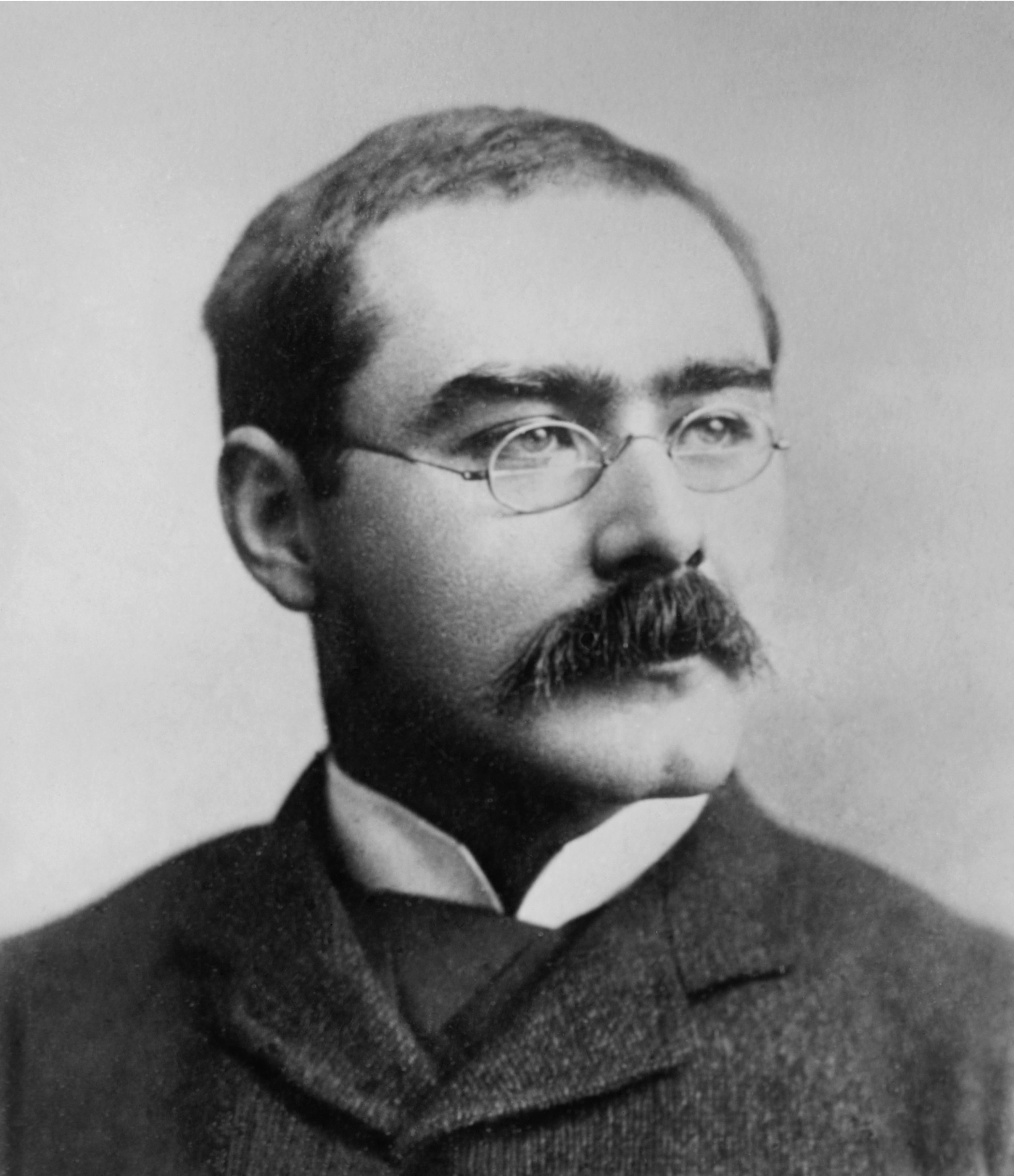
In 1898, as Germany embarked on its ambitious naval buildup under the Tirpitz Plan, Rudyard Kipling journeyed twice with the British Channel Squadron and returned with these vivid, sardonic dispatches. What begins as straightforward naval journalism quickly reveals itself as something richer: Kipling's unerring eye for the men who actually man the warships, not the admirals in their cabins but the stokers, signalmen, and ordinary sailors whose labor makes empire possible. He captures the strange tedium of naval life, the camaraderie and hierarchy, the mounting tension of a European powers racing to outbuild each other on the seas. The title itself evokes the strategic concept that would define pre-WWI Anglo-German relations: a fleet kept in being, powerful by mere existence, a weapon that need never fire a shot to bend diplomacy to its will. Kipling writes with his characteristic edge, mocking the jingoists while still believing deeply in British sea power, making this essential reading for anyone seeking to understand how the Victorians saw their navy and how that confidence sowed the seeds of later catastrophe.
Editions

Link to this book
Add a free, dofollow link to Lex on your blog, forum, syllabus, or reading list.

<a href="https://lex-books.com/book/fleet-in-being-notes-of-two-trips-with-the-channel-squadron-059e1f12-aeca-4847-a0f8-d7f2a464efda"><img src="https://lex-books.com/badges/read-on-lex.svg" alt="Read Fleet In Being; Notes Of Two Trips With The Channel Squadron by Rudyard Kipling free on Lex" width="160" height="40"></a>[](https://lex-books.com/book/fleet-in-being-notes-of-two-trips-with-the-channel-squadron-059e1f12-aeca-4847-a0f8-d7f2a464efda)[url=https://lex-books.com/book/fleet-in-being-notes-of-two-trips-with-the-channel-squadron-059e1f12-aeca-4847-a0f8-d7f2a464efda][img]https://lex-books.com/badges/read-on-lex.svg[/img][/url]Read Fleet In Being; Notes Of Two Trips With The Channel Squadron by Rudyard Kipling free on Lex: https://lex-books.com/book/fleet-in-being-notes-of-two-trips-with-the-channel-squadron-059e1f12-aeca-4847-a0f8-d7f2a464efdaCite this book
Reading this edition for a paper or guide? Copy a citation.
Kipling, Rudyard. Fleet In Being; Notes Of Two Trips With The Channel Squadron. Lex, lex-books.com/book/fleet-in-being-notes-of-two-trips-with-the-channel-squadron-059e1f12-aeca-4847-a0f8-d7f2a464efda.Kipling, R. (n.d.). Fleet In Being; Notes Of Two Trips With The Channel Squadron. Lex. https://lex-books.com/book/fleet-in-being-notes-of-two-trips-with-the-channel-squadron-059e1f12-aeca-4847-a0f8-d7f2a464efdaKipling, Rudyard. Fleet In Being; Notes Of Two Trips With The Channel Squadron. Lex. https://lex-books.com/book/fleet-in-being-notes-of-two-trips-with-the-channel-squadron-059e1f12-aeca-4847-a0f8-d7f2a464efda.