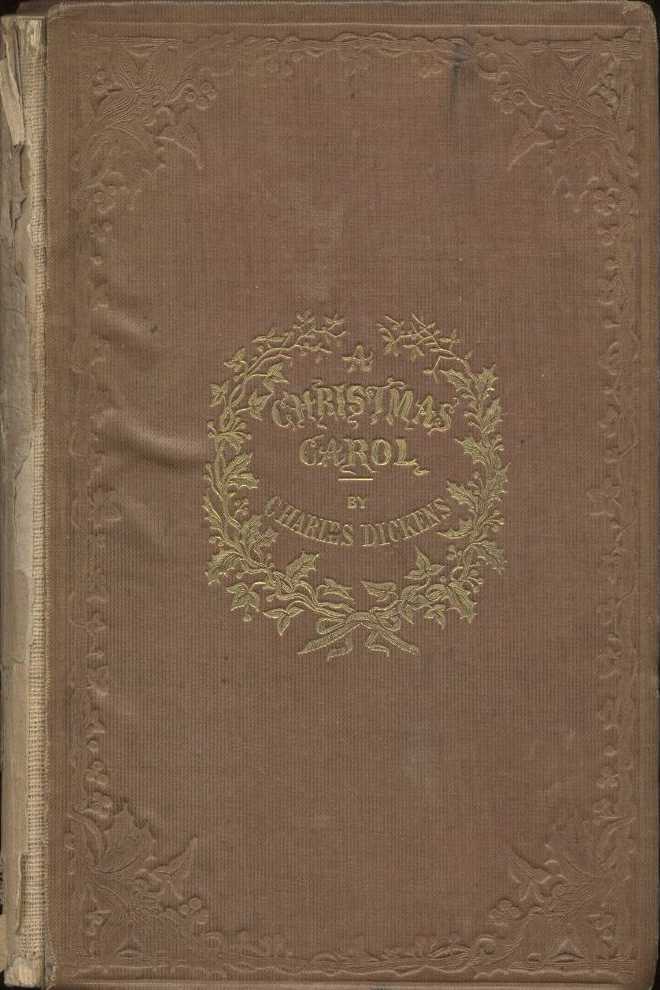
Christmas Carol in Prose; Being a Ghost Story of Christmas (version 12)
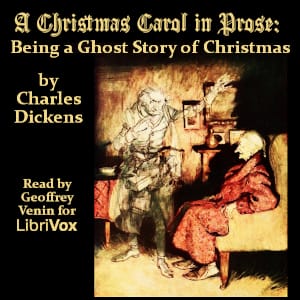
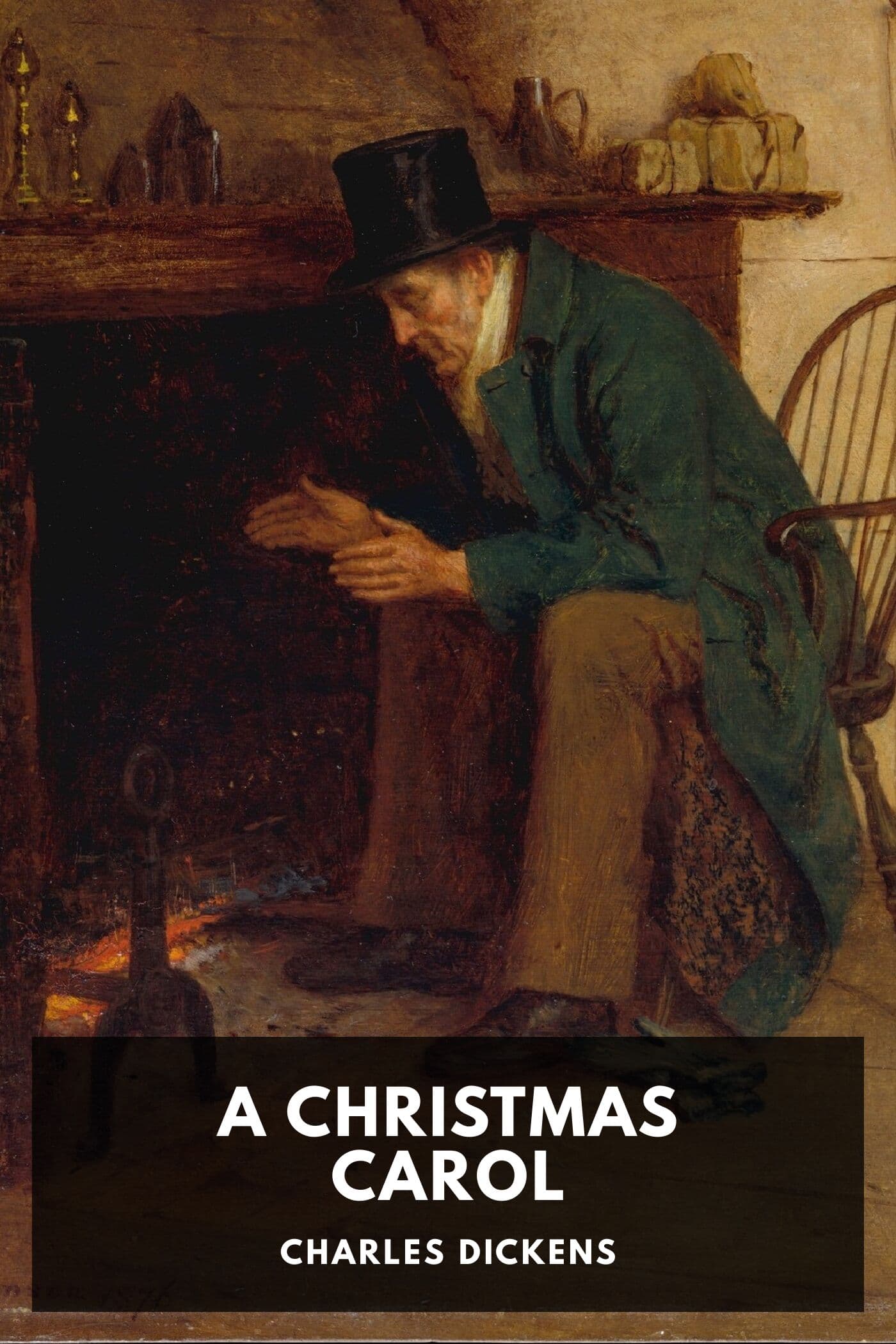
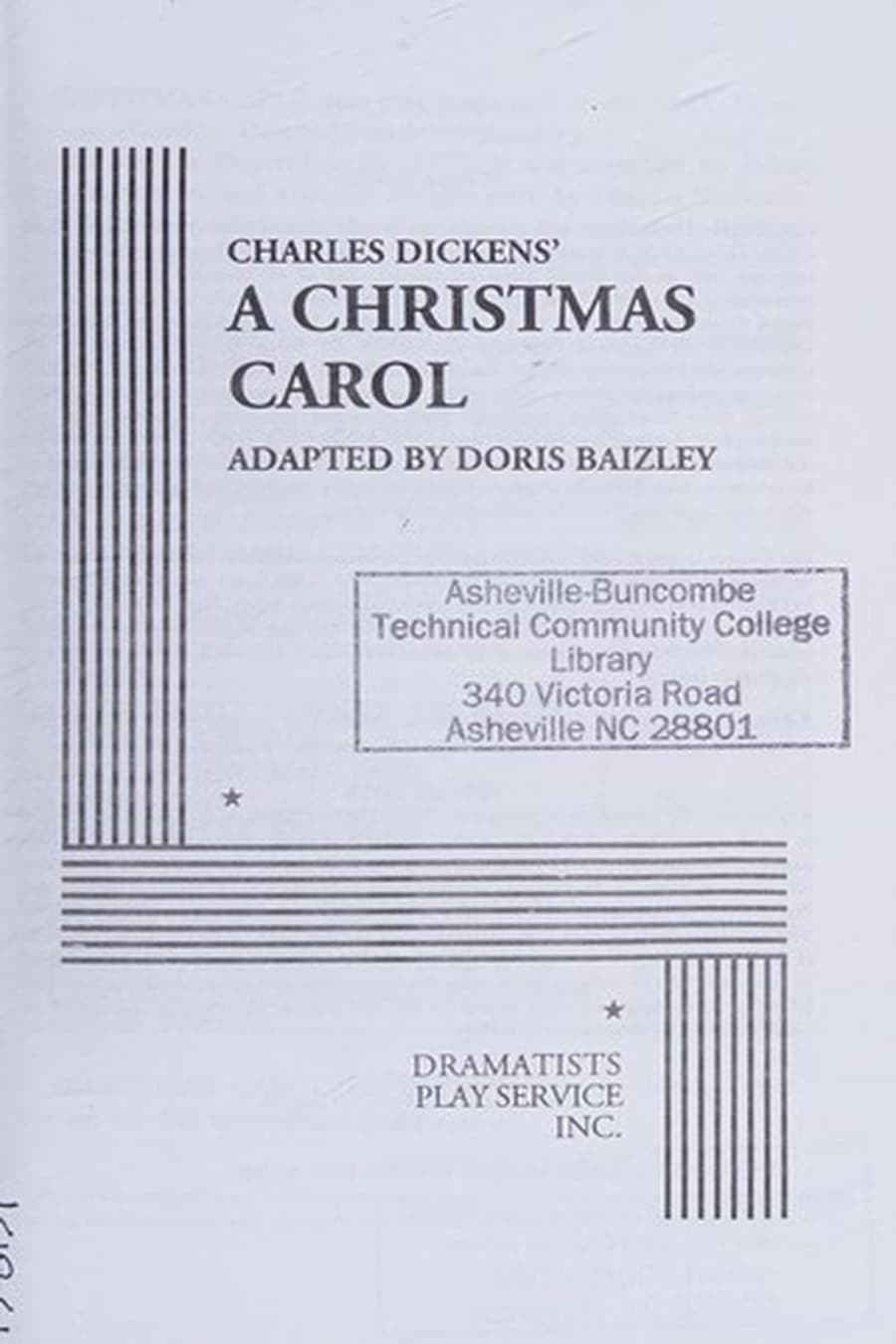
Dickens conceived A Christmas Carol in a fever of moral purpose. Writing in just six weeks during the winter of 1843, he intended it as a weapon against Victorian England's brutal poverty laws and the heartless industrial capitalism that left children to rot in workhouses. What he created transcended polemic entirely. The story follows Ebenezer Scrooge, a miserly London accountant who hoards his wealth while the city freezes outside his door. On Christmas Eve, the ghost of his dead partner Jacob Marley appears, burdened with chains forged by a lifetime of greed. Three spirits follow, each dragging Scrooge through his own past, present, and possible future, forcing him to witness the consequences of his isolation. The novel crackles with Dickens's theatrical genius: the skeletal Ghost of Christmas Yet to Come, the luminous warmth of Scrooge's niece, the desperate poverty of the Cratchit family with their crippled son Tiny Tim. By the final page, when Scrooge transforms into 'as good a friend, as good a man, as the good old city ever knew,' readers have witnessed something that feels less like reading and more like redemption. The book launched Dickens into global fame and invented the modern Christmas as we understand it: a holiday about compassion rather than commerce. It remains essential because it insists, with irresistible storytelling force, that people can change.
Editions

Link to this book
Add a free, dofollow link to Lex on your blog, forum, syllabus, or reading list.

<a href="https://lex-books.com/book/christmas-carol-in-prose-being-a-ghost-story-of-christmas-version-12-58526082-3ecc-49e8-96a6-832f2fc18c1a"><img src="https://lex-books.com/badges/read-on-lex.svg" alt="Read Christmas Carol in Prose; Being a Ghost Story of Christmas (version 12) by Charles Dickens free on Lex" width="160" height="40"></a>[](https://lex-books.com/book/christmas-carol-in-prose-being-a-ghost-story-of-christmas-version-12-58526082-3ecc-49e8-96a6-832f2fc18c1a)[url=https://lex-books.com/book/christmas-carol-in-prose-being-a-ghost-story-of-christmas-version-12-58526082-3ecc-49e8-96a6-832f2fc18c1a][img]https://lex-books.com/badges/read-on-lex.svg[/img][/url]Read Christmas Carol in Prose; Being a Ghost Story of Christmas (version 12) by Charles Dickens free on Lex: https://lex-books.com/book/christmas-carol-in-prose-being-a-ghost-story-of-christmas-version-12-58526082-3ecc-49e8-96a6-832f2fc18c1aCite this book
Reading this edition for a paper or guide? Copy a citation.
Dickens, Charles. Christmas Carol in Prose; Being a Ghost Story of Christmas (version 12). Lex, lex-books.com/book/christmas-carol-in-prose-being-a-ghost-story-of-christmas-version-12-58526082-3ecc-49e8-96a6-832f2fc18c1a.Dickens, C. (n.d.). Christmas Carol in Prose; Being a Ghost Story of Christmas (version 12). Lex. https://lex-books.com/book/christmas-carol-in-prose-being-a-ghost-story-of-christmas-version-12-58526082-3ecc-49e8-96a6-832f2fc18c1aDickens, Charles. Christmas Carol in Prose; Being a Ghost Story of Christmas (version 12). Lex. https://lex-books.com/book/christmas-carol-in-prose-being-a-ghost-story-of-christmas-version-12-58526082-3ecc-49e8-96a6-832f2fc18c1a.