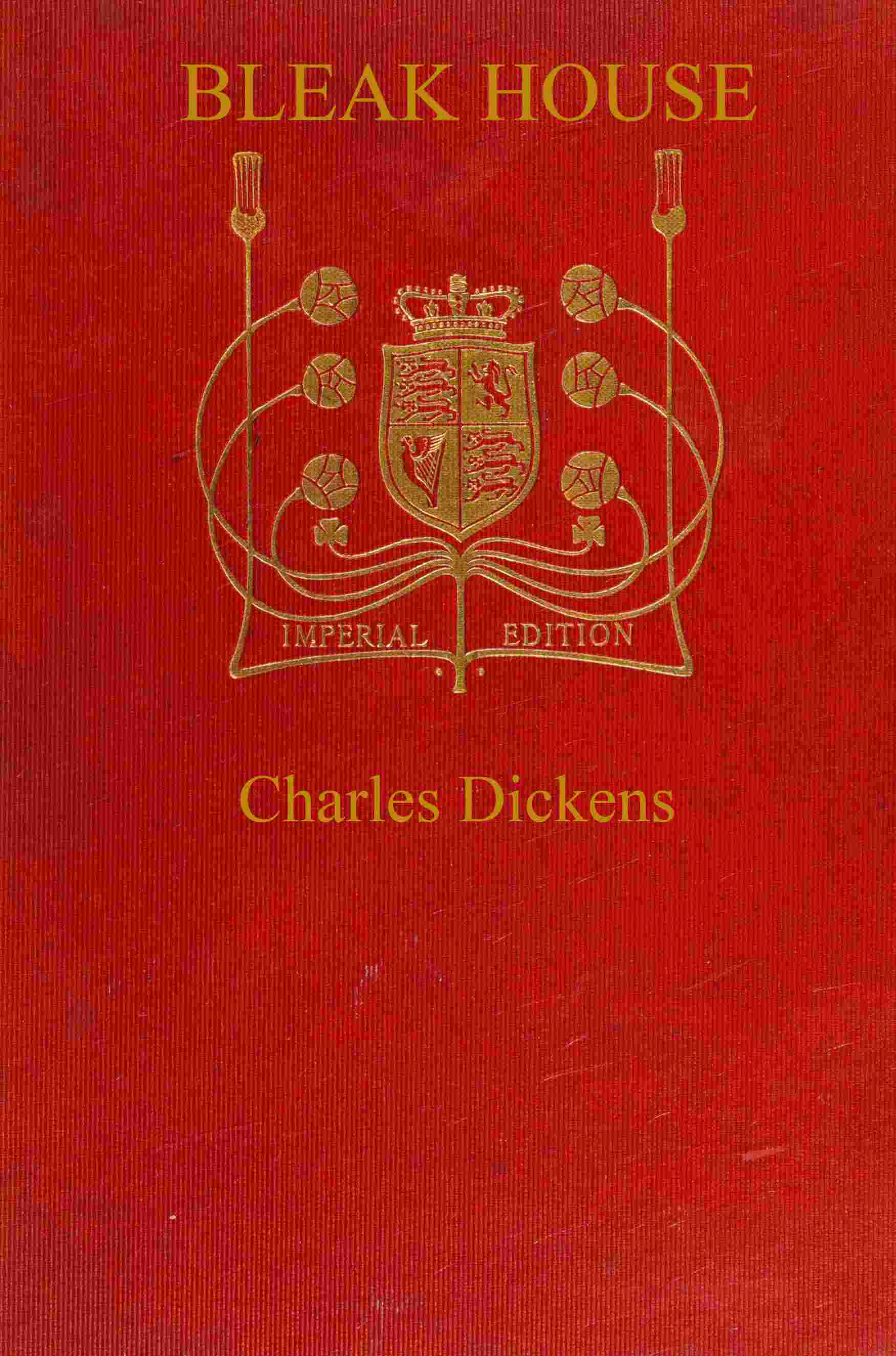
Bleak House
1853
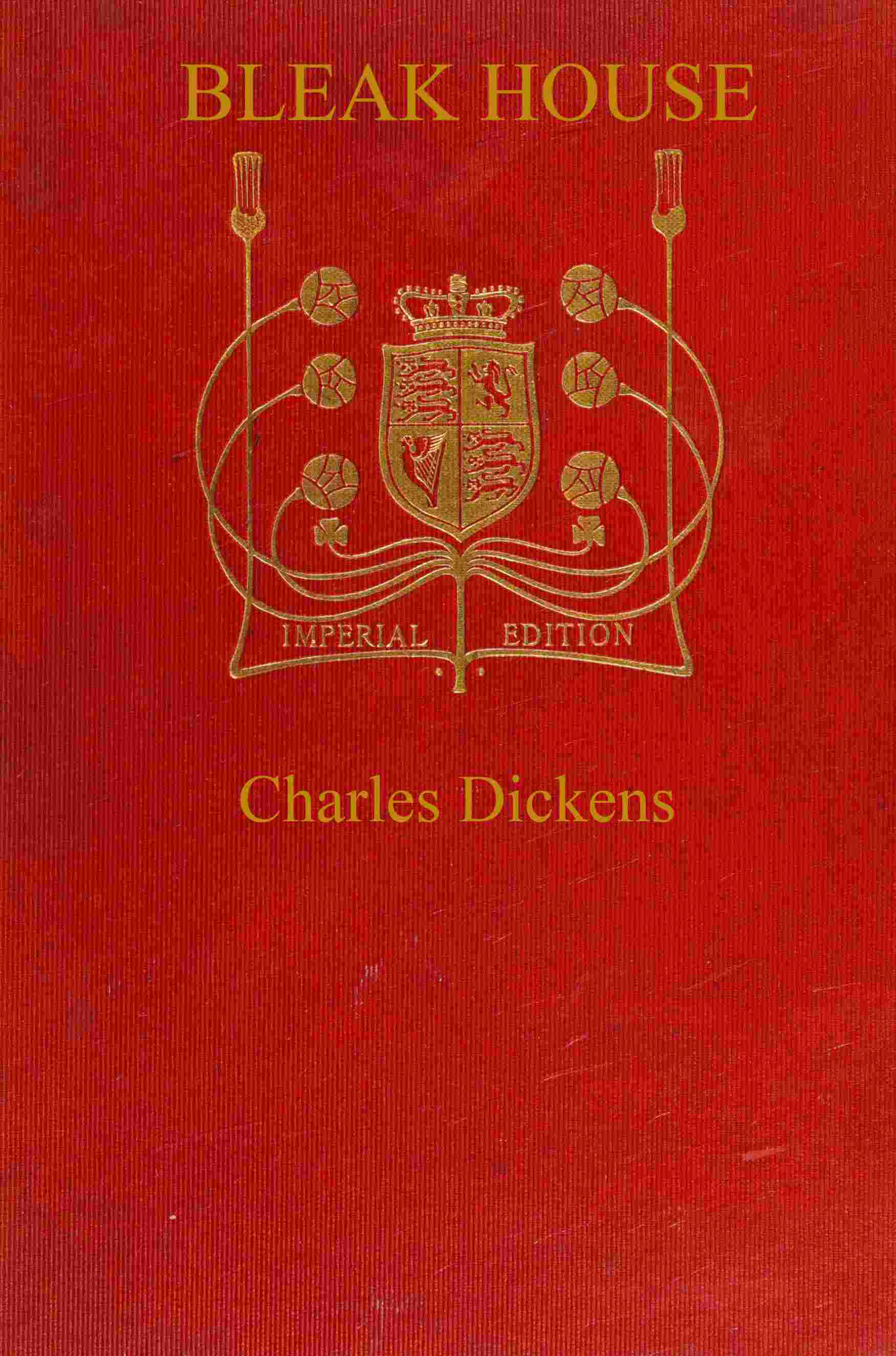
The fog that seeps into the bones of Victorian London in Bleak House is not weather. It is the breath of a society rotting from within, choked by its own institutions. At the novel's heart lies Jarndyce and Jarndyce, a legendary lawsuit that has dragged on for generations, consuming fortunes, sanity, and hope like a voracious beast that never dies. When Esther Summerson, a young woman raised in mystery, is drawn into this labyrinth of legal despair, she discovers that the fog of the courtroom is only matched by the fog of her own origins. Dickens weaves together dozens of lives destroyed by a system designed to perpetuate itself: the desperate heirs, the corrupted lawyers, the madwoman who waits for a judgment that will never come. Beneath the Gothic shadows and the interlocking mysteries lies a furious indictment of Victorian England's spiritual bankruptcy. This is Dickens at his most ambitious, his most darkly funny, and his most devastating. The novel doesn't just critique the legal system. It shows how institutions, once corrupted, become machines for consuming human lives and dreams.
Editions

X-Ray
“And I am bored to death with it. Bored to death with this place, bored to death with my life, bored to death with myself.””
— Charles Dickens
“There were two classes of charitable people: one, the people who did a little and made a great deal of noise; the other, the people who did a great deal and made no noise at all.””
— Charles Dickens
“LONDON. Michaelmas Term lately over, and the Lord Chancellor sitting in Lincoln’s Inn Hall. Implacable November weather. As much mud in the streets as if the waters had but newly retired from the face of the earth, and it would not be wonderful to meet a Megalosaurus, forty feet long or so, waddling like an elephantine lizard up Holborn Hill. Smoke lowering down from chimney-pots, making a soft black drizzle, with flakes of soot in it as big as full-grown snow-flakes”
— Charles Dickens
“Constancy in love is a good thing; but it means nothing, and is nothing, without constancy in every kind of effort.””
— Charles Dickens
“A word in earnest is as good as a speech.””
— Charles Dickens
“Dead, your Majesty. Dead, my lords and gentlemen. Dead, Right Reverends and Wrong Reverends of every order. Dead, men and women, born with Heavenly compassion in your hearts. And dying thus around us every day.””
— Charles Dickens
“I only ask to be free. The butterflies are free. Mankind will surely not deny to Harold Skimpole what it concedes to the butterflies.””
— Charles Dickens
“The universe makes rather an indifferent parent, I'm afraid.””
— Charles Dickens
“if the world go wrong, it was, in some off-hand manner, never meant to go right.””
— Charles Dickens
Link to this book
Add a free, dofollow link to Lex on your blog, forum, syllabus, or reading list.

<a href="https://lex-books.com/book/bleak-house-859e0197-8bf1-4d7e-b0e9-33bb2b31252e"><img src="https://lex-books.com/badges/read-on-lex.svg" alt="Read Bleak House by Charles Dickens free on Lex" width="160" height="40"></a>[](https://lex-books.com/book/bleak-house-859e0197-8bf1-4d7e-b0e9-33bb2b31252e)[url=https://lex-books.com/book/bleak-house-859e0197-8bf1-4d7e-b0e9-33bb2b31252e][img]https://lex-books.com/badges/read-on-lex.svg[/img][/url]Read Bleak House by Charles Dickens free on Lex: https://lex-books.com/book/bleak-house-859e0197-8bf1-4d7e-b0e9-33bb2b31252eCite this book
Reading this edition for a paper or guide? Copy a citation.
Dickens, Charles. Bleak House. Lex, lex-books.com/book/bleak-house-859e0197-8bf1-4d7e-b0e9-33bb2b31252e.Dickens, C. (1853). Bleak House. Lex. https://lex-books.com/book/bleak-house-859e0197-8bf1-4d7e-b0e9-33bb2b31252eDickens, Charles. Bleak House. Lex. https://lex-books.com/book/bleak-house-859e0197-8bf1-4d7e-b0e9-33bb2b31252e.