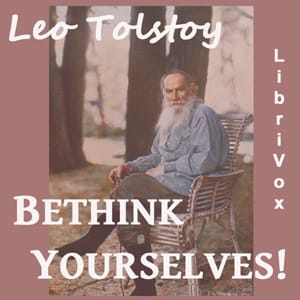
Bethink Yourselves!
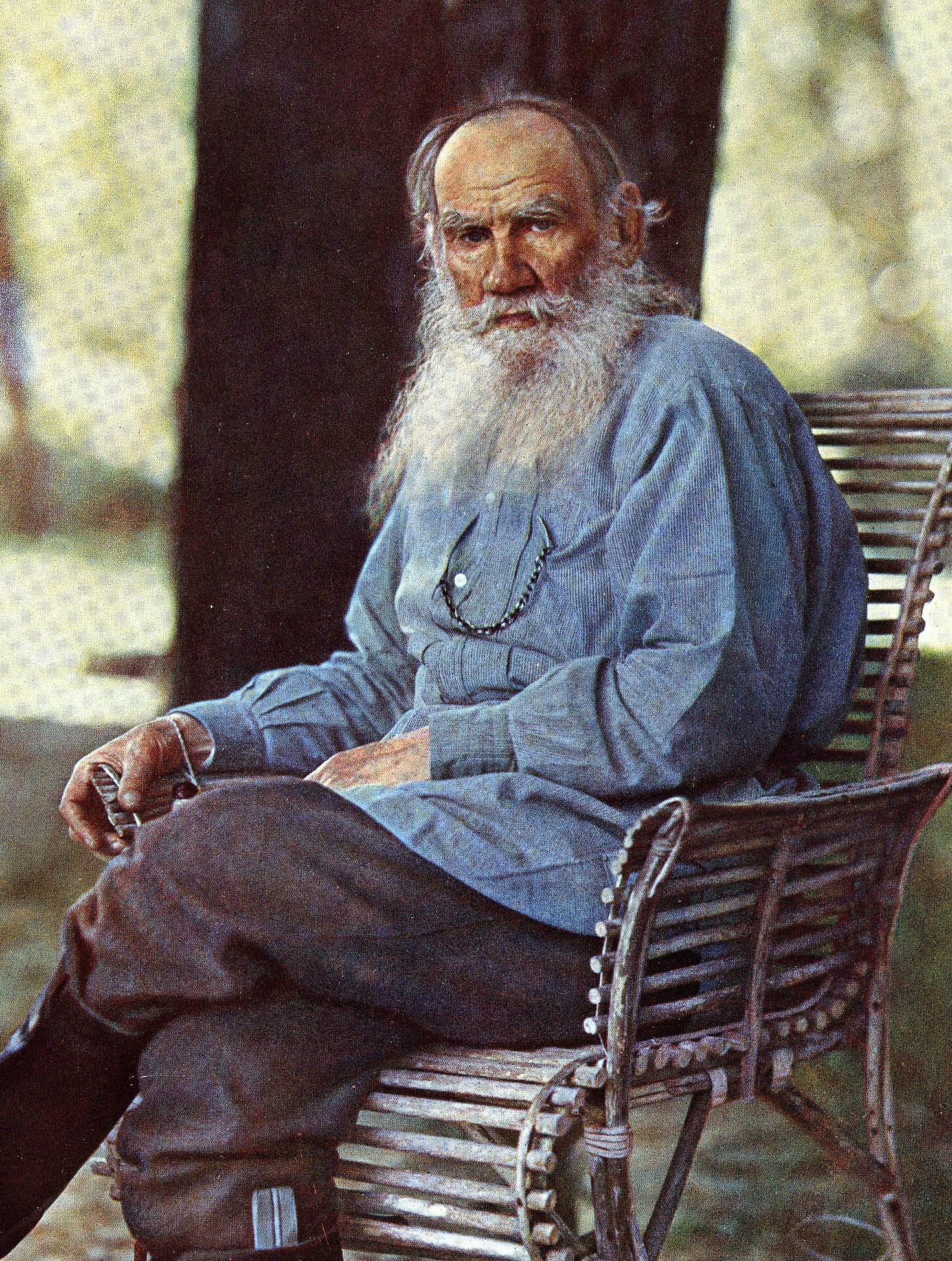
In 1904, as Russia plunged into war with Japan, Leo Tolstoy issued a fiery summons to conscience. Written in his final years with the moral urgency of a man who had spent decades wrestling with the gap between Christian teaching and human brutality, this is not a political treatise but a direct appeal to the soul. Tolstoy addresses everyone from the Tsar to the conscripted peasant, insisting that each person must look inward and ask: What is my life for? What have I done? The argument is simple and devastating: war is not an unfortunate necessity but a profound moral failure, and no external force can save humanity from self-inflicted destruction 只有 individual conscience can. The power lies in Tolstoy's relentless refusal to let his readers off the hook. He does not blame systems or tsars alone; he blames every person who complies, who obeys, who fails to examine their own actions in the light of what they claim to believe. A shorter, more passionate polemic than War and Peace, yet rooted in the same core conviction: that violence is a choice, and choices can be unmade. For readers who crave moral seriousness in their political writing, who want to understand how one of history's greatest novelists brought his full authority to bear on the question of peace.
Editions

Link to this book
Add a free, dofollow link to Lex on your blog, forum, syllabus, or reading list.

<a href="https://lex-books.com/book/bethink-yourselves-06f34a04-fbc8-4838-b911-3fbc22e1698b"><img src="https://lex-books.com/badges/read-on-lex.svg" alt="Read Bethink Yourselves! by Leo Tolstoy free on Lex" width="160" height="40"></a>[](https://lex-books.com/book/bethink-yourselves-06f34a04-fbc8-4838-b911-3fbc22e1698b)[url=https://lex-books.com/book/bethink-yourselves-06f34a04-fbc8-4838-b911-3fbc22e1698b][img]https://lex-books.com/badges/read-on-lex.svg[/img][/url]Read Bethink Yourselves! by Leo Tolstoy free on Lex: https://lex-books.com/book/bethink-yourselves-06f34a04-fbc8-4838-b911-3fbc22e1698bCite this book
Reading this edition for a paper or guide? Copy a citation.
Tolstoy, Leo. Bethink Yourselves!. Lex, lex-books.com/book/bethink-yourselves-06f34a04-fbc8-4838-b911-3fbc22e1698b.Tolstoy, L. (n.d.). Bethink Yourselves!. Lex. https://lex-books.com/book/bethink-yourselves-06f34a04-fbc8-4838-b911-3fbc22e1698bTolstoy, Leo. Bethink Yourselves!. Lex. https://lex-books.com/book/bethink-yourselves-06f34a04-fbc8-4838-b911-3fbc22e1698b.