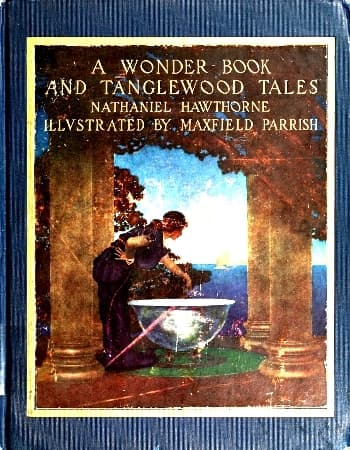
A Wonder Book for Girls & Boys
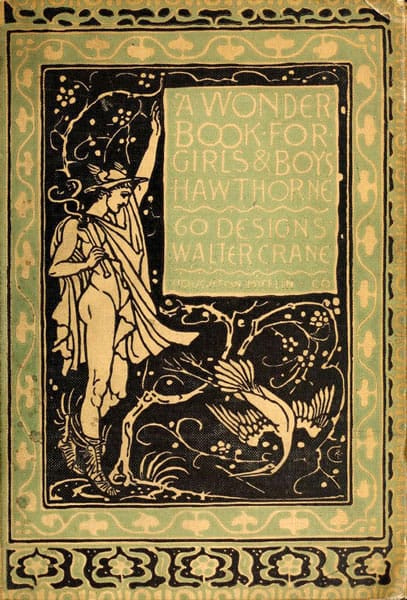
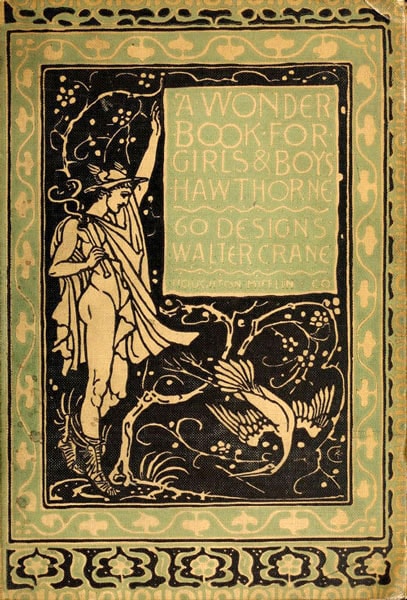
Picture a group of children gathered on the porch of a New England farmhouse on a crisp autumn afternoon, begging their friend Eustace Bright to spin them a tale. This is Tanglewood, and the young storyteller obliges by transporting them straight to ancient Greece. In these six classic myths retold for young readers, Perseus conquers Medusa, King Midas learns the peril of greed, and Pandora opens her box into the world. Nathaniel Hawthorne wrote A Wonder Book in 1851 with a deliberate mission: to free these ancient stories from what he called their "cold moonshine" and recast them in warm, romantic prose that children could hold close. The result is not a stuffy classical education but something far more precious, a book where mythology becomes bedtime adventure, where gods and heroes feel like old friends, and where every tale is told to a child who is listening with wide eyes. It remains the gold standard for introducing young readers to Greek myth, the kind of book that creates lifelong lovers of ancient stories.
Editions
X-Ray
“His stories are good to hear at night, because we can dream about them asleep; and good in the morning, too, because then we can dream about them awake. (Cowslip)””
— Nathaniel Hawthorne
“...people always grow more foolish, unless they take care to grow wiser and wiser...””
— Nathaniel Hawthorne
“Human beings owe a debt of love to one another because there is no other method of paying the debt of love and care which all of us owe to providence.””
— Nathaniel Hawthorne
“إن جدتي قالت لي يوما إن هذه العين كانت يوما ما امرأة جميلة. ولما قتل ولدها بسهام الصائدة (ديانا) ذابت نفسها حسرات وتحولت هي كلهاإلى دموع، وعلى ذلك فإن هذا الماء الذي وجدته عذبا باردا إن هو إلا نفثات قلب هذه الأم الثكلى””
— Nathaniel Hawthorne
“take just one peep!””
— Nathaniel Hawthorne
“What could it be,””
— Nathaniel Hawthorne
“Where is she?””
— Nathaniel Hawthorne
“Ninety-nine people out of a hundred, I suppose, would have been frightened out of their wits by the very first of his ugly shapes, and would have taken to their heels at once. For, one of the hardest things in this world is, to see the difference between real dangers and imaginary ones.””
— Nathaniel Hawthorne
Link to this book
Add a free, dofollow link to Lex on your blog, forum, syllabus, or reading list.

<a href="https://lex-books.com/book/a-wonder-book-for-girls-boys-268f3e55-2bef-4120-b0af-aa5cee98546f"><img src="https://lex-books.com/badges/read-on-lex.svg" alt="Read A Wonder Book for Girls & Boys by Nathaniel Hawthorne free on Lex" width="160" height="40"></a>[](https://lex-books.com/book/a-wonder-book-for-girls-boys-268f3e55-2bef-4120-b0af-aa5cee98546f)[url=https://lex-books.com/book/a-wonder-book-for-girls-boys-268f3e55-2bef-4120-b0af-aa5cee98546f][img]https://lex-books.com/badges/read-on-lex.svg[/img][/url]Read A Wonder Book for Girls & Boys by Nathaniel Hawthorne free on Lex: https://lex-books.com/book/a-wonder-book-for-girls-boys-268f3e55-2bef-4120-b0af-aa5cee98546fCite this book
Reading this edition for a paper or guide? Copy a citation.
Hawthorne, Nathaniel. A Wonder Book for Girls & Boys. Lex, lex-books.com/book/a-wonder-book-for-girls-boys-268f3e55-2bef-4120-b0af-aa5cee98546f.Hawthorne, N. (n.d.). A Wonder Book for Girls & Boys. Lex. https://lex-books.com/book/a-wonder-book-for-girls-boys-268f3e55-2bef-4120-b0af-aa5cee98546fHawthorne, Nathaniel. A Wonder Book for Girls & Boys. Lex. https://lex-books.com/book/a-wonder-book-for-girls-boys-268f3e55-2bef-4120-b0af-aa5cee98546f.