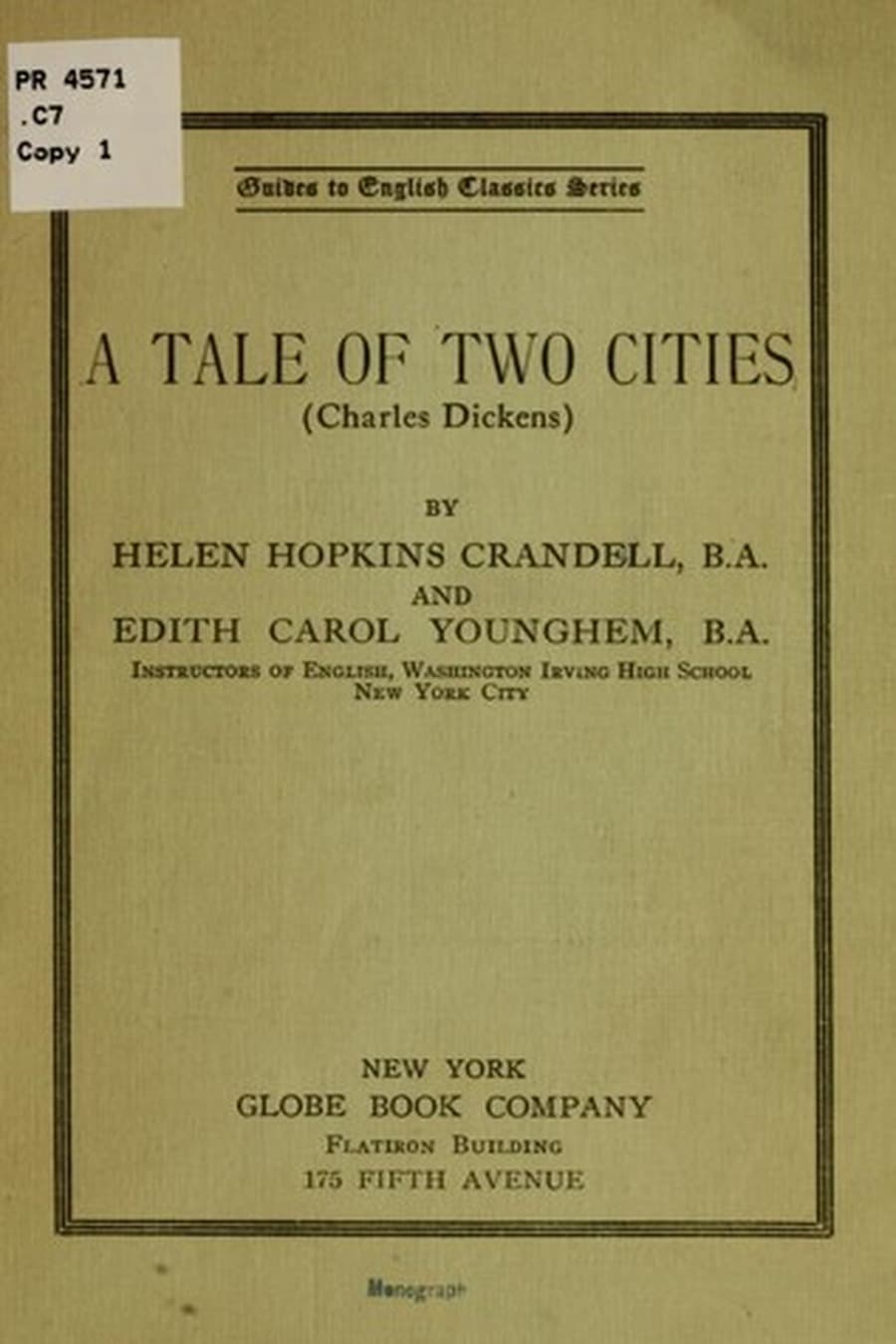
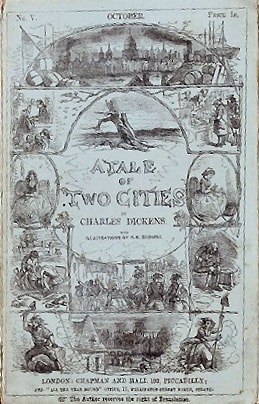
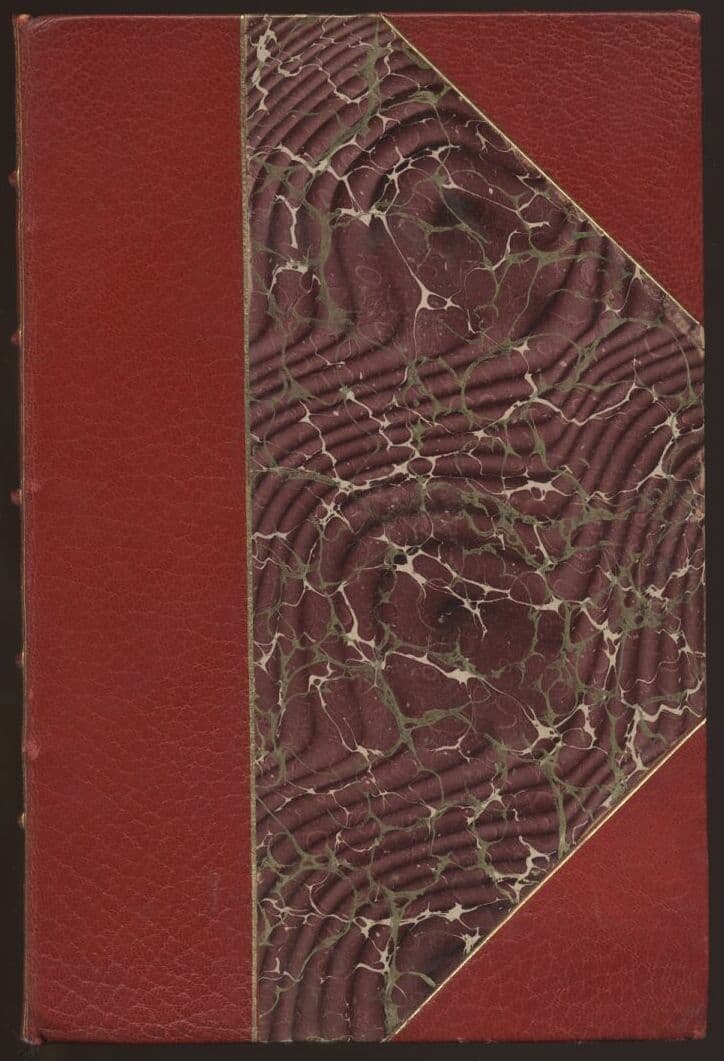
A Tale of Two Cities
1859
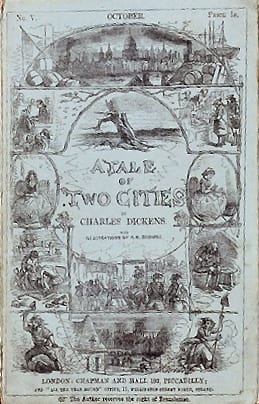
It was the best of times, it was the worst of times. In the years leading to the French Revolution, London and Paris burn with parallel furies, one decadent, one deadly. Dr. Alexandre Manette, a physician imprisoned in the Bastille for eighteen years, is finally "recalled to life" and reunited in London with his daughter Lucie, a woman whose gentle love becomes the thread that binds together fates both noble and damned. Against this backdrop of revolutionary fury, two men fall for Lucie: Charles Darnay, a French aristocrat who abhors his own bloodline, and Sydney Carton, a brilliant alcoholic whose wasted genius masks a capacity for extraordinary sacrifice. As the guillotine rises in Paris and Madame Defarge knits her registry of the condemned, Dickens weaves personal redemption through political catastrophe, asking what price is paid when societies tear themselves apart, and whether one life can purchase another's salvation.
Editions


X-Ray
“A wonderful fact to reflect upon, that every human creature is constituted to be that profound secret and mystery to every other.””
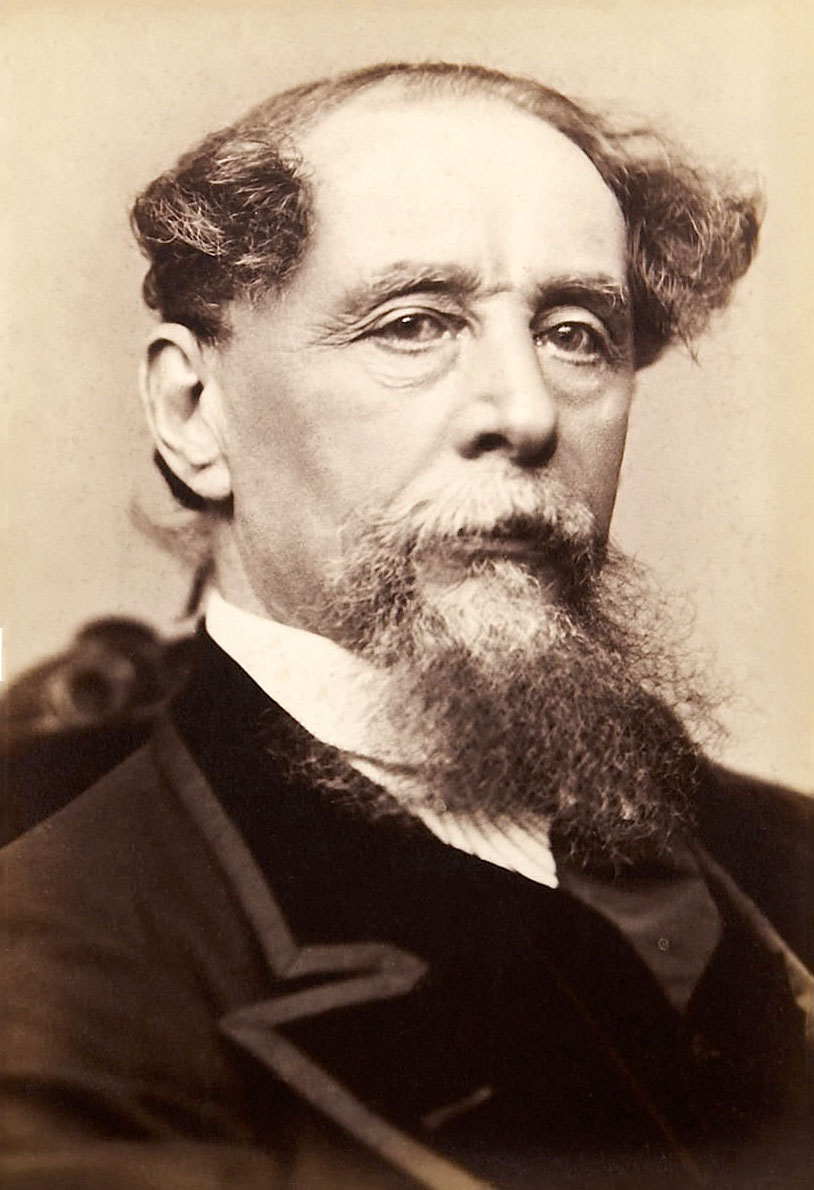
— Charles Dickens
“It is a far, far better thing that I do, than I have ever done; it is a far, far better rest that I go to than I have ever known.””
— Charles Dickens
“It was the best of times, it was the worst of times, it was the age of wisdom, it was the age of foolishness, it was the epoch of belief, it was the epoch of incredulity, it was the season of light, it was the season of darkness, it was the spring of hope, it was the winter of despair.””
— Charles Dickens
“You have been the last dream of my soul.””
— Charles Dickens
“It was the best of times, it was the worst of times.””
— Charles Dickens
“I wish you to know that you have been the last dream of my soul.””
— Charles Dickens
“And yet I have had the weakness, and have still the weakness, to wish you to know with what a sudden mastery you kindled me, heap of ashes that I am, into fire.””
— Charles Dickens
“I see a beautiful city and a brilliant people rising from this abyss. I see the lives for which I lay down my life, peaceful, useful, prosperous and happy. I see that I hold a sanctuary in their hearts, and in the hearts of their descendants, generations hence. It is a far, far better thing that I do, than I have ever done; it is a far, far better rest that I go to than I have ever known.””
— Charles Dickens
“A day wasted on others is not wasted on one's self.””
— Charles Dickens
About A Tale of Two Cities
Chapter Summaries
- Book the First—Recalled to Life, CHAPTER I. The Period
- Dickens opens with his famous antithetical description of 1775, highlighting the extreme contrasts in England and France. He introduces the 'Woodman, Fate' and 'Farmer, Death' as silent preparers for the French Revolution, while also detailing the rampant crime and harsh justice in London.
- Book the First—Recalled to Life, CHAPTER II. The Mail
- Mr. Jarvis Lorry travels by Dover mail coach on a dark, misty November night in 1775. The coach is stopped by a messenger, Jerry Cruncher, who delivers a cryptic message for Mr. Lorry: 'Wait at Dover for Mam'selle. Recalled to life.'
- Book the First—Recalled to Life, CHAPTER III. The Night Shadows
- Jerry Cruncher rides back to London, pondering the mysterious message, while Mr. Lorry, inside the coach, dreams of digging someone out of a grave. His dream reflects his business with Tellson's Bank and the 'recall to life' of Doctor Manette, whom he is going to meet.
Key Themes
- Resurrection and Redemption
- The phrase 'Recalled to Life' is central, referring to Dr. Manette's return from imprisonment and mental anguish, and later, Sydney Carton's ultimate act of self-sacrifice, which redeems his wasted life. It explores the idea of spiritual rebirth and the possibility of finding purpose even in despair.
- Sacrifice
- This theme is exemplified by Sydney Carton's selfless act at the end of the novel, giving his life for Lucie and Charles. It also appears in Lucie's devotion to her father and her willingness to endure hardship for her family, highlighting love as a powerful motivator for self-denial.
- Revenge and Justice
- The novel vividly portrays the brutal cycle of revenge during the French Revolution, particularly through characters like Madame Defarge, whose personal suffering fuels her relentless pursuit of vengeance against the aristocracy. It questions whether such retribution truly constitutes justice or merely perpetuates violence.
Characters
- Mr. Jarvis Lorry(supporting)
- An elderly, methodical, and kind-hearted English banker for Tellson's Bank, who is a trusted friend to the Manette family.
- Lucie Manette(protagonist)
- A compassionate and beautiful young woman, known as 'The Golden Thread' for her ability to connect and restore those around her.
- Doctor Alexandre Manette(protagonist)
- A brilliant French physician who was unjustly imprisoned in the Bastille for eighteen years, suffering severe trauma that manifests as shoemaking.
- Charles Darnay(protagonist)
- A French aristocrat who renounces his cruel family lineage (the Evrémonde family) and lives in England as a tutor, later marrying Lucie Manette.
- Sydney Carton(protagonist)
- A dissolute but brilliant English barrister who appears cynical and self-loathing but harbors deep, unrequited love for Lucie Manette.
- Miss Pross(supporting)
- Lucie Manette's fiercely loyal and protective English governess, known for her strong will and deep affection for Lucie.
Link to this book
Add a free, dofollow link to Lex on your blog, forum, syllabus, or reading list.

<a href="https://lex-books.com/book/a-tale-of-two-cities-f76121e0-270d-4a1b-b47d-9f908094fae4"><img src="https://lex-books.com/badges/read-on-lex.svg" alt="Read A Tale of Two Cities by Charles Dickens free on Lex" width="160" height="40"></a>[](https://lex-books.com/book/a-tale-of-two-cities-f76121e0-270d-4a1b-b47d-9f908094fae4)[url=https://lex-books.com/book/a-tale-of-two-cities-f76121e0-270d-4a1b-b47d-9f908094fae4][img]https://lex-books.com/badges/read-on-lex.svg[/img][/url]Read A Tale of Two Cities by Charles Dickens free on Lex: https://lex-books.com/book/a-tale-of-two-cities-f76121e0-270d-4a1b-b47d-9f908094fae4Cite this book
Reading this edition for a paper or guide? Copy a citation.
Dickens, Charles. A Tale of Two Cities. Lex, lex-books.com/book/a-tale-of-two-cities-f76121e0-270d-4a1b-b47d-9f908094fae4.Dickens, C. (1859). A Tale of Two Cities. Lex. https://lex-books.com/book/a-tale-of-two-cities-f76121e0-270d-4a1b-b47d-9f908094fae4Dickens, Charles. A Tale of Two Cities. Lex. https://lex-books.com/book/a-tale-of-two-cities-f76121e0-270d-4a1b-b47d-9f908094fae4.