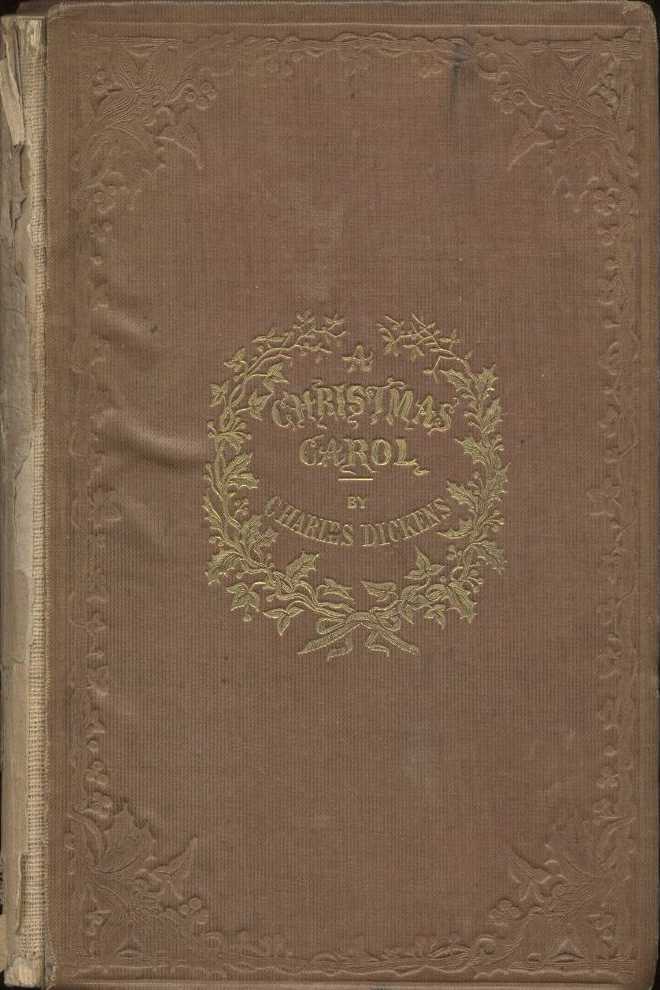
A Christmas Carol
1843
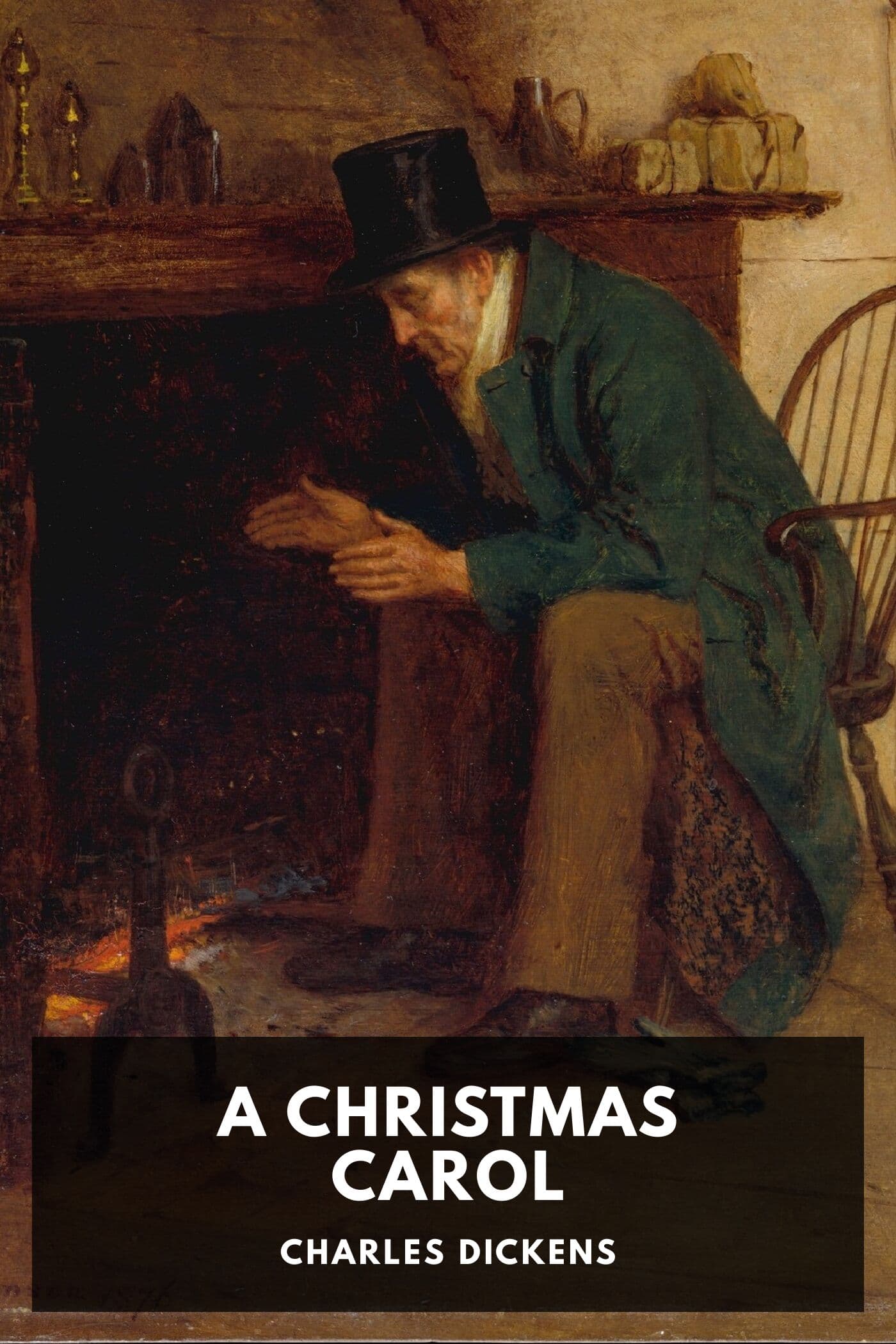
Dickens wrote this novella in six weeks during the summer of 1843, desperate to escape debt. What emerged was something far more dangerous than a holiday card: a ghost story with teeth, a furious meditation on poverty and compassion that essentially invented Christmas as we know it. Ebenezer Scrooge is one of fiction's great monsters - not with claws, but with a ledger. He locks his door against the poor, dismisses his nephew's warmth with 'Bah, humbug,' and counts the minutes until he can return to his counting-house. Then the dead arrive. Jacob Marley drags his chains through Scrooge's chambers, warning of consequences yet to come. The three spirits that follow are genuinely unsettling - especially the silent, finger-pointing specter of Christmas Yet to Come. But what makes the story endure isn't its supernatural elements. It's the way Dickens earns Scrooge's transformation: this isn't a man who gets a gentle nudge toward being nicer. He's forced to confront the loneliness, the death, the poverty his greed has caused. And somehow, impossibly, he chooses to become someone new. The warmth at the end feels hard-won because we've seen exactly what he's escaping.
Editions
X-Ray
“There is nothing in the world so irresistibly contagious as laughter and good humor.””
— Charles Dickens
“It is a fair, even-handed, noble adjustment of things, that while there is infection in disease and sorrow, there is nothing in the world so irresistibly contagious as laughter and good humour.””
— Charles Dickens
“You are fettered," said Scrooge, trembling. "Tell me why?""I wear the chain I forged in life," replied the Ghost. "I made it link by link, and yard by yard; I girded it on of my own free will, and of my own free will I wore it.””
— Charles Dickens
“I will honour Christmas in my heart, and try to keep it all the year. I will live in the Past, the Present, and the Future. The Spirits of all Three shall strive within me. I will not shut out the lessons that they teach.””
— Charles Dickens
“No space of regret can make amends for one life's opportunity misused””
— Charles Dickens
“For it is good to be children sometimes, and never better than at Christmas, when its mighty Founder was a child Himself.””
— Charles Dickens
“You may be an undigested bit of beef, a blot of mustard, a crumb of cheese, a fragment of underdone potato. There's more of gravy than of grave about you, whatever you are!””
— Charles Dickens
“There are many things from which I might have derived good, by which I have not profited, I dare say,' returned the nephew. 'Christmas among the rest. But I am sure I have always thought of Christmas time, when it has come round”
— Charles Dickens
“But you were always a good man of business, Jacob,' faltered Scrooge, who now began to apply this to himself.Business!' cried the Ghost, wringing its hands again. "Mankind was my business; charity, mercy, forbearance, and benevolence, were, all, my business. The deals of my trade were but a drop of water in the comprehensive ocean of my business!””
— Charles Dickens
Link to this book
Add a free, dofollow link to Lex on your blog, forum, syllabus, or reading list.

<a href="https://lex-books.com/book/a-christmas-carol-f822f722-93b5-441a-a7b8-af2df6e555ab"><img src="https://lex-books.com/badges/read-on-lex.svg" alt="Read A Christmas Carol by Charles Dickens free on Lex" width="160" height="40"></a>[](https://lex-books.com/book/a-christmas-carol-f822f722-93b5-441a-a7b8-af2df6e555ab)[url=https://lex-books.com/book/a-christmas-carol-f822f722-93b5-441a-a7b8-af2df6e555ab][img]https://lex-books.com/badges/read-on-lex.svg[/img][/url]Read A Christmas Carol by Charles Dickens free on Lex: https://lex-books.com/book/a-christmas-carol-f822f722-93b5-441a-a7b8-af2df6e555abCite this book
Reading this edition for a paper or guide? Copy a citation.
Dickens, Charles. A Christmas Carol. Lex, lex-books.com/book/a-christmas-carol-f822f722-93b5-441a-a7b8-af2df6e555ab.Dickens, C. (1843). A Christmas Carol. Lex. https://lex-books.com/book/a-christmas-carol-f822f722-93b5-441a-a7b8-af2df6e555abDickens, Charles. A Christmas Carol. Lex. https://lex-books.com/book/a-christmas-carol-f822f722-93b5-441a-a7b8-af2df6e555ab.