Οιδίπους Επί Κολωνώ
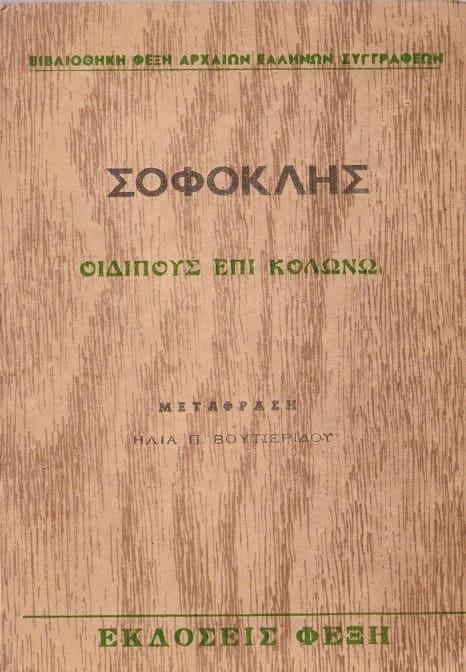
Οιδίπους Επί Κολωνώ
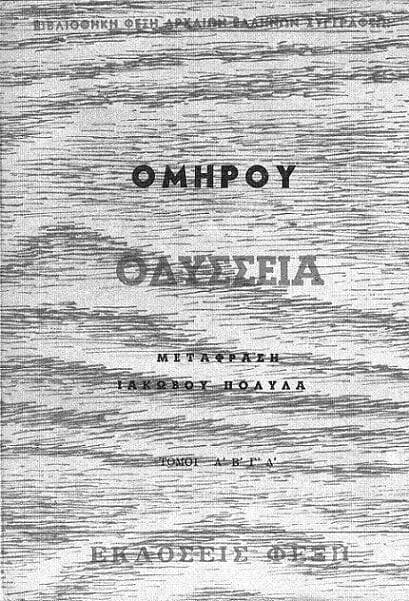
Translated by El. P. (Elias P.) Voutierides
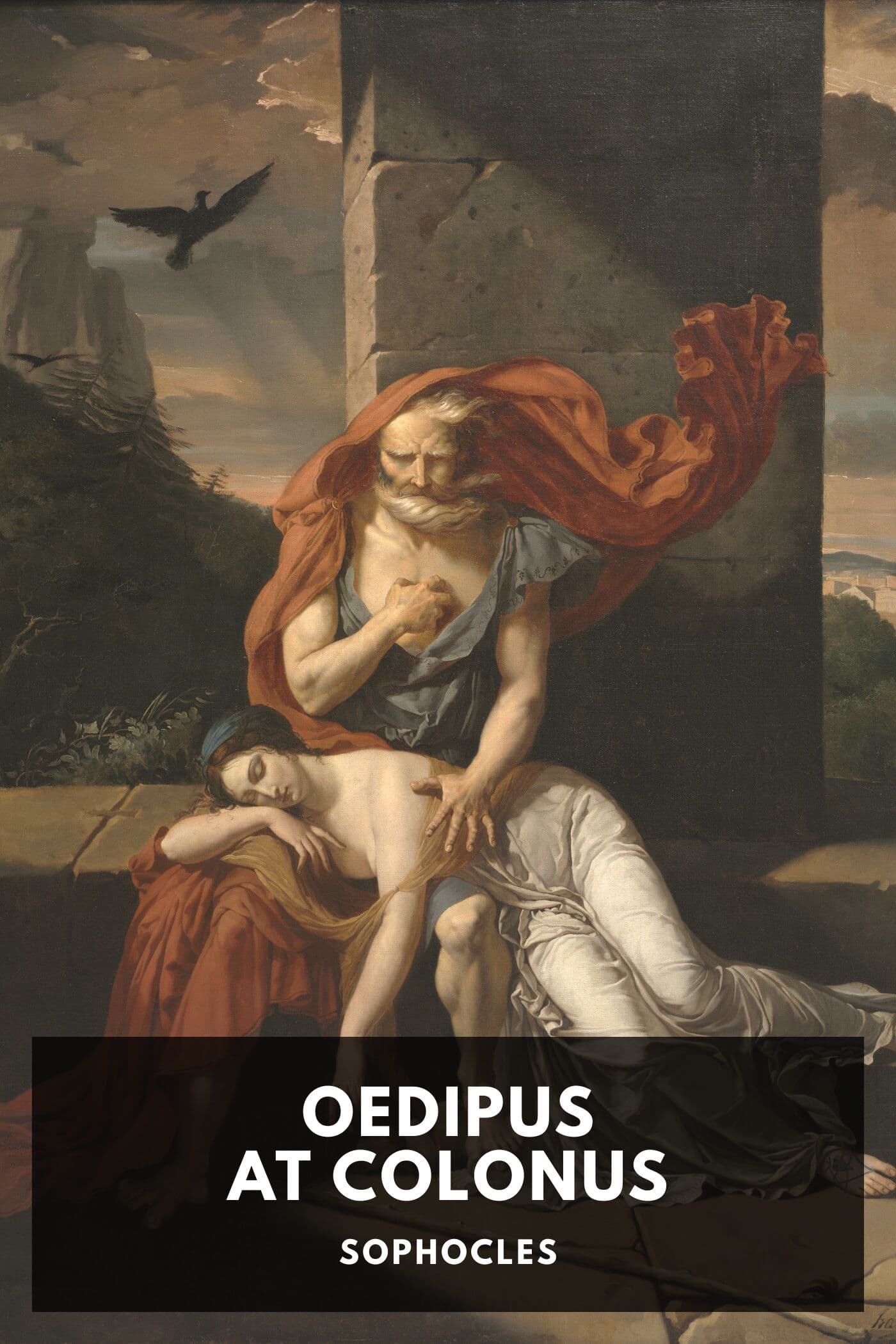
Oedipus at Colonus is the final chapter in Sophocles' Theban trilogy, and perhaps his most haunting work. The once-great king of Thebes, now blind and exiled after discovering he had unknowingly killed his father and married his mother, arrives at the sacred grove of Colonus with his daughter Antigone. He seeks only what every suffering soul craves: a place to die in peace, and the possibility that his terrible curse might finally yield something like grace. But the gods are not finished with him. As elders from Athens gather to witness his arrival, Oedipus must confront not only his past but the strange prophecy that his death in this holy ground will bring fortune to whoever shelters him. This is Oedipus at his most vulnerable and most wise. The fierce, screaming king of Thebes has become a blind old man leaning on his daughter, and yet his words carry the weight of one who has seen to the bottom of human existence. Sophocles writes with a tenderness that seems almost modern, exploring what remains when everything has been lost. The play asks whether redemption is real or merely a comfort for the dying, and it never fully answers. It endures because every reader knows what it means to be exiled from oneself, to carry a shame not chosen, to hope for an end that might finally be peaceful.
Editions
X-Ray
“One word frees us of all the weight and pain of life: That word is love.””
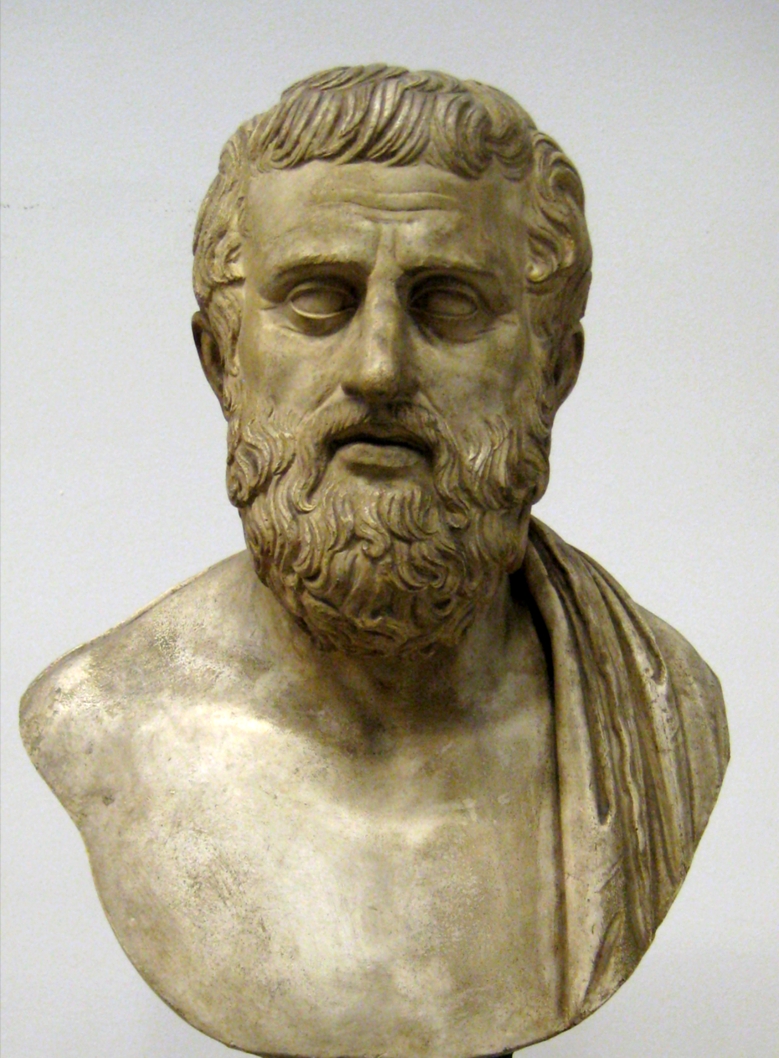
— Sophocles
“Not to be born at allIs best, far best that can befall,Next best, when born, with least delayTo trace the backward way.For when youth passes with its giddy train,Troubles on troubles follow, toils on toils,Pain, pain forever pain;And none escapes life's coils.Envy, sedition, strife,Carnage and war, make up the tale of life.””
— Sophocles
“Unwanted favours gain no gratitude.””
— Sophocles
“To speak much is one thing; to speak to the point another!””
— Sophocles
“We long to have again the vanished past, in spite of all its pain.””
— Sophocles
“The good leader repeats the good news, keeps the worst to himself.””
— Sophocles
“Enough words! The criminals are escaping, we the victims, we stand still.””
— Sophocles
“A man's anger can never age and fade away, not until he dies. The dead alone feel no pain.””
— Sophocles
“The weak can defeat the strong in a case as just as mine.””
— Sophocles
Link to this book
Add a free, dofollow link to Lex on your blog, forum, syllabus, or reading list.

<a href="https://lex-books.com/book/-6bee4e93-1ebb-4f0d-88a6-4290444c8bff"><img src="https://lex-books.com/badges/read-on-lex.svg" alt="Read Οιδίπους Επί Κολωνώ by Sophocles free on Lex" width="160" height="40"></a>[](https://lex-books.com/book/-6bee4e93-1ebb-4f0d-88a6-4290444c8bff)[url=https://lex-books.com/book/-6bee4e93-1ebb-4f0d-88a6-4290444c8bff][img]https://lex-books.com/badges/read-on-lex.svg[/img][/url]Read Οιδίπους Επί Κολωνώ by Sophocles free on Lex: https://lex-books.com/book/-6bee4e93-1ebb-4f0d-88a6-4290444c8bffCite this book
Reading this edition for a paper or guide? Copy a citation.
Sophocles. Οιδίπους Επί Κολωνώ. Lex, lex-books.com/book/-6bee4e93-1ebb-4f0d-88a6-4290444c8bff.Sophocles (n.d.). Οιδίπους Επί Κολωνώ. Lex. https://lex-books.com/book/-6bee4e93-1ebb-4f0d-88a6-4290444c8bffSophocles. Οιδίπους Επί Κολωνώ. Lex. https://lex-books.com/book/-6bee4e93-1ebb-4f0d-88a6-4290444c8bff.