William, Sir Watson
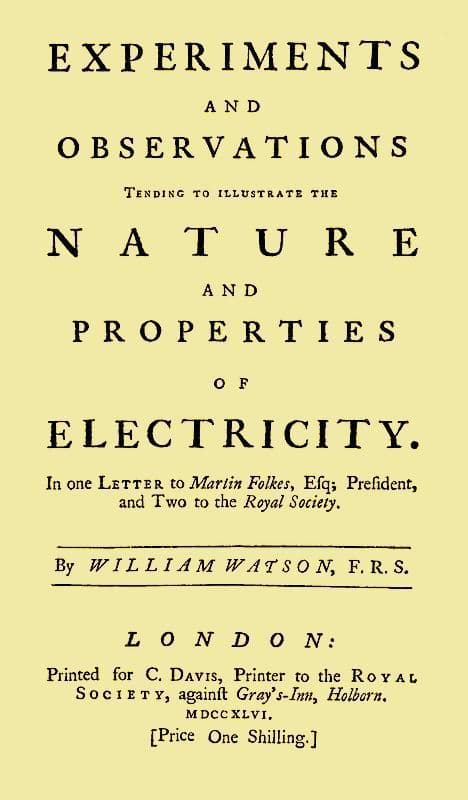
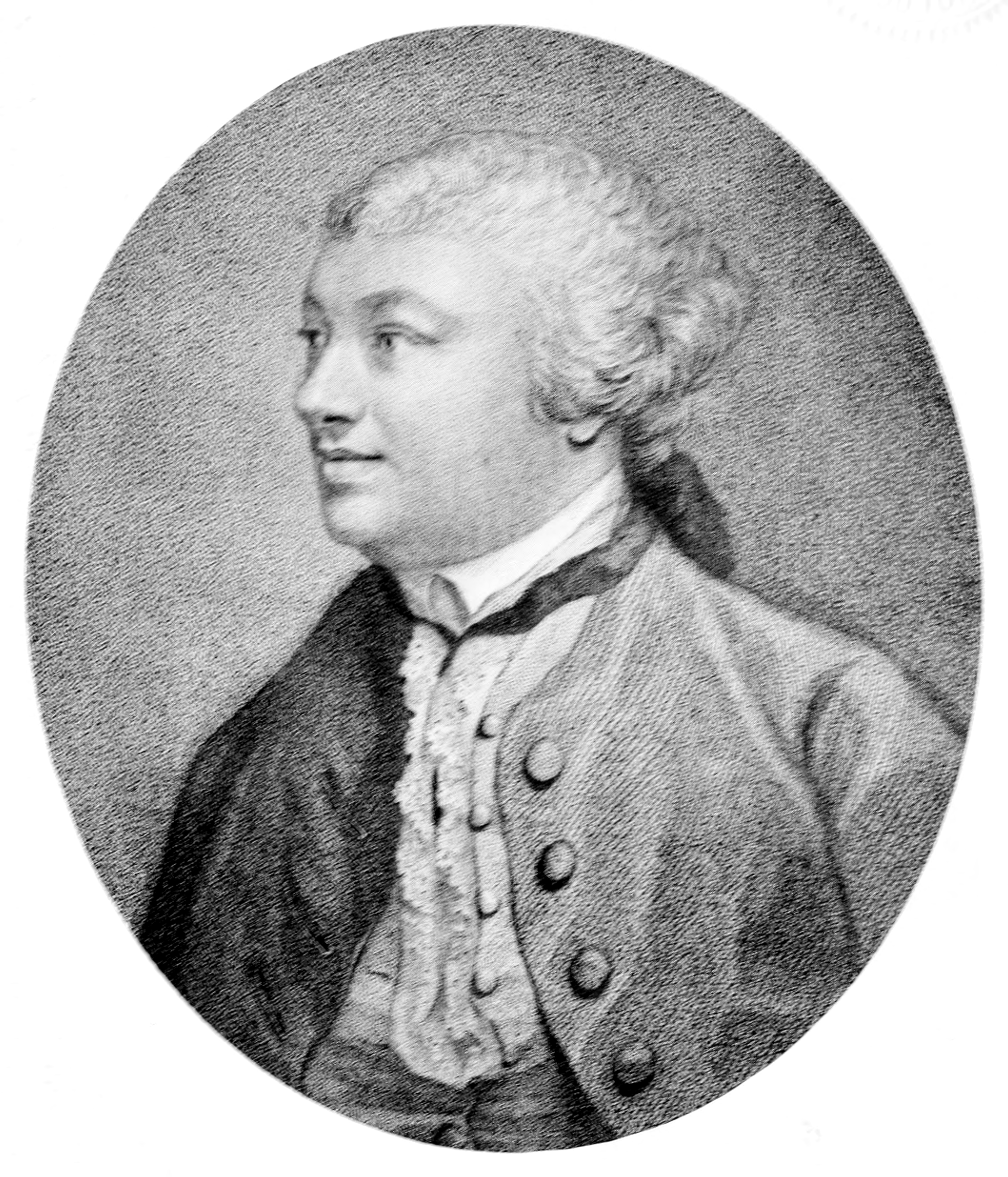
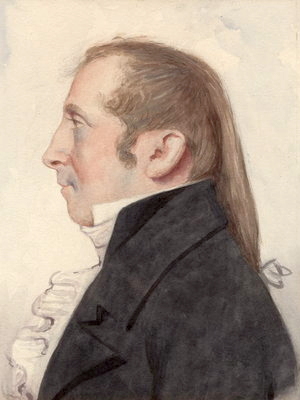
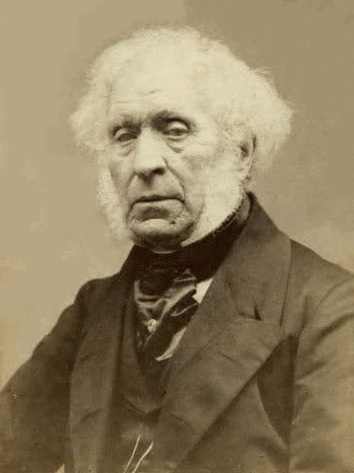
Sir William Watson was an influential English physician and scientist, recognized for his pioneering contributions to the study of electricity in the 18th century. Born in 1715, Watson's early career was marked by a deep interest in natural philosophy, which led him to become a prominent member of the Royal Society. His most notable work, 'Experiments and Observations Tending to Illustrate the Nature and Properties of Electricity,' published in 1751, showcased his extensive research and experiments on electrical phenomena. This work not only advanced the understanding of electricity but also established Watson as a key figure in the scientific community of his time. Watson's experiments included the investigation of electrical conductivity and the development of the lightning rod, which had significant implications for both scientific inquiry and practical applications. His correspondence with other prominent scientists, including Martin Folkes, highlighted his collaborative spirit and commitment to advancing knowledge in the field. Through his contributions, Watson helped lay the groundwork for future developments in electrical science, influencing both contemporaries and later generations of scientists. His legacy endures in the history of science, particularly in the realm of electricity, where his work remains a testament to the curiosity and innovation of the Enlightenment period.
Books from the author


Link to this page
Add a free, dofollow link to Lex on your blog, forum, syllabus, or reading list.

<a href="https://lex-books.com/author/william-sir-watson"><img src="https://lex-books.com/badges/read-on-lex.svg" alt="William, Sir Watson on Lex" width="160" height="40"></a>[](https://lex-books.com/author/william-sir-watson)[url=https://lex-books.com/author/william-sir-watson][img]https://lex-books.com/badges/read-on-lex.svg[/img][/url]William, Sir Watson on Lex: https://lex-books.com/author/william-sir-watson