William S. Plumer
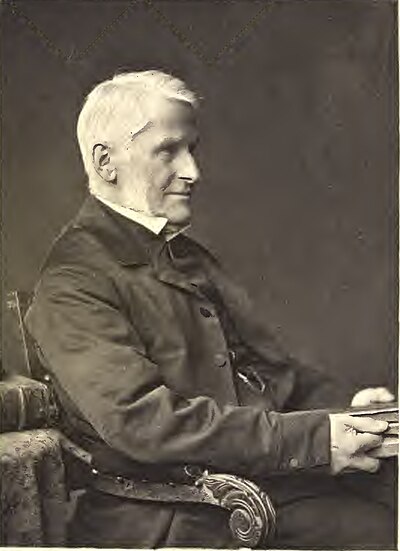
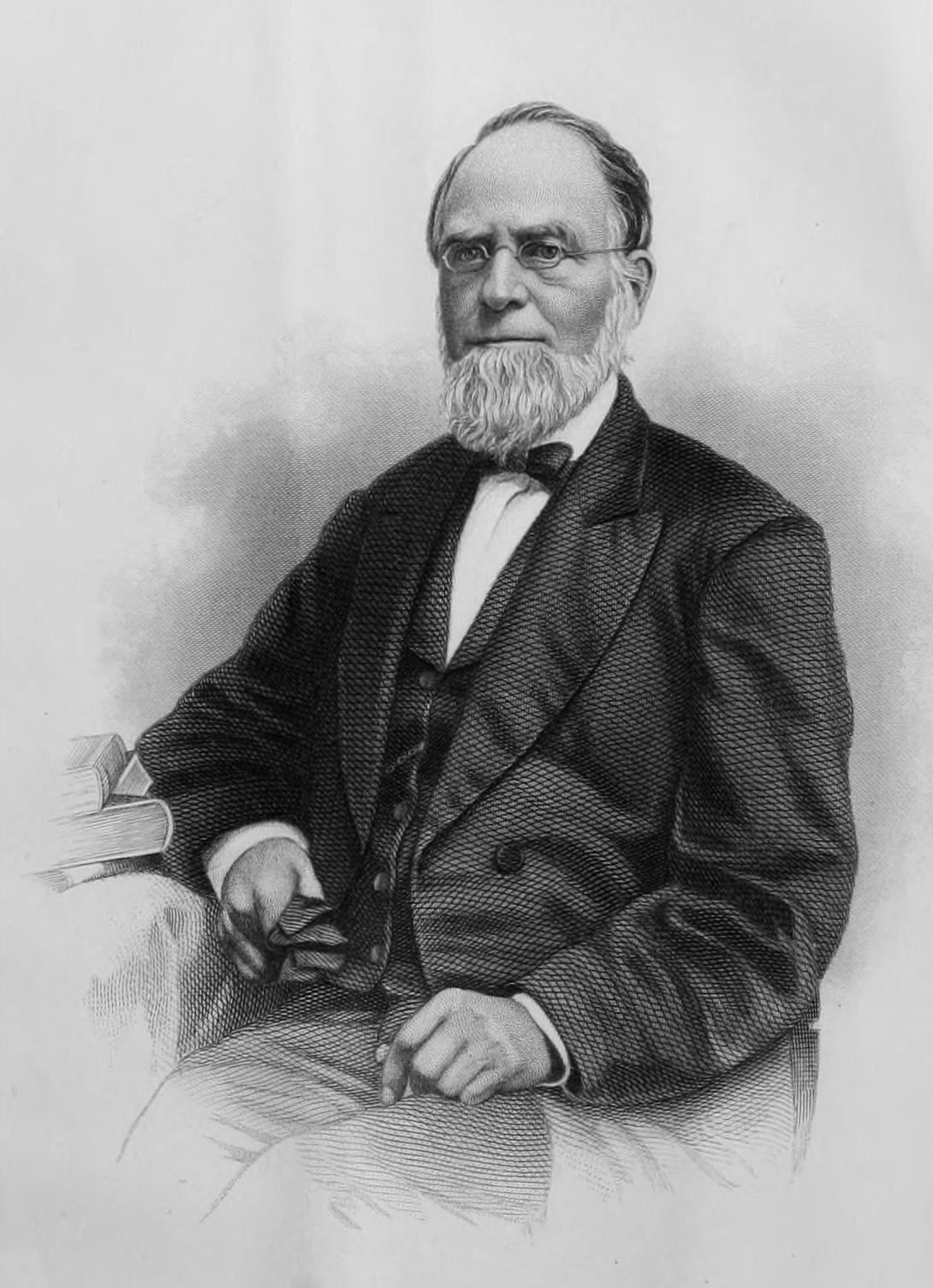
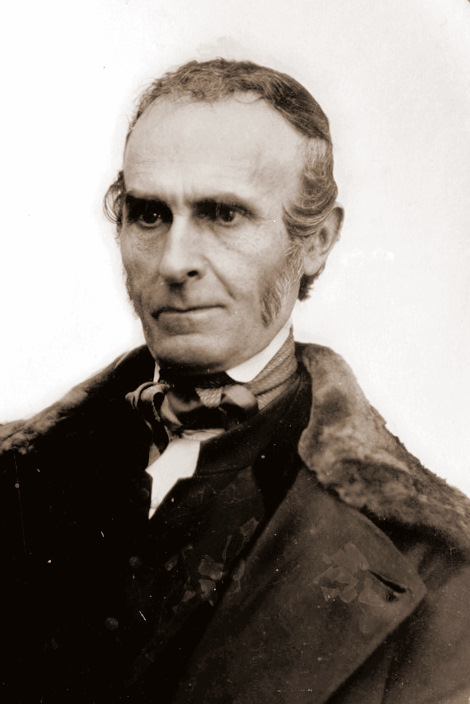
William S. Plumer was an influential American clergyman and author known for his contributions to religious thought and social issues in the 19th century. His works often addressed the moral and spiritual needs of marginalized communities, particularly African Americans. In 'Thoughts on the Religious Instruction of the Negroes of This Country,' Plumer argued for the importance of providing religious education to enslaved and free Black individuals, emphasizing the transformative power of faith in their lives. This work highlighted the intersection of religion and social justice during a tumultuous period in American history, as the nation grappled with issues of slavery and civil rights. In addition to his advocacy for the religious education of African Americans, Plumer's 'Word to the Weary' offered spiritual guidance and encouragement to those facing life's challenges. His writings reflect a deep commitment to pastoral care and the belief that faith could provide solace and strength in difficult times. Plumer's legacy lies in his efforts to promote social reform through religious instruction, making significant contributions to the discourse on race, religion, and morality in America during the 19th century.
Famous Quotes
View all 3 quotes“Some pious souls are troubled because they cannot at all times, or often, use, in its joyous import, the language of this Psalm. Such should remember that David, though he lived long, never wrote but one twenty-third Psalm. Some of his odes do indeed express as lively a faith as this, and faith can walk in darkness. But where else do we find a whole Psalm expressive of personal confidence, joy, and triumph, from beginning to end? God's people have their seasons of darkness and their times of rejoicing.””
“suits their case and because it brings glory to God in the highest. The true believer not only trusts in Christ but also makes his boast in Him. He not only makes mention of Him, He admits none into comparison with Him. To all the ends, parts, and purposes of salvation, Christ stands alone. There is none like Him, there is none with Him, there is none before Him, there is none after Him, there is none beside Him. He had no predecessor; He has and shall have no successor. He has no vicegerent;[11] He has no assistant; He wears an undivided crown and wields a perfect sovereignty over an undivided kingdom. If God’s people exalt Him above all others, so does His holy and eternal Father. If they crown Him Lord of all, God also hath highly exalted Him and given Him a name that is above every name.””
“Love of God’s house is of the essence of true piety. It always has been. There is no piety without a devotional spirit; and that spirit is always gratified in the assemblies of the saints. Even the memories of hours spent in the delights of public worship is cheering to one deprived of such ordinances.””
Books from the author






Link to this page
Add a free, dofollow link to Lex on your blog, forum, syllabus, or reading list.

<a href="https://lex-books.com/author/william-s-plumer"><img src="https://lex-books.com/badges/read-on-lex.svg" alt="William S. Plumer on Lex" width="160" height="40"></a>[](https://lex-books.com/author/william-s-plumer)[url=https://lex-books.com/author/william-s-plumer][img]https://lex-books.com/badges/read-on-lex.svg[/img][/url]William S. Plumer on Lex: https://lex-books.com/author/william-s-plumer