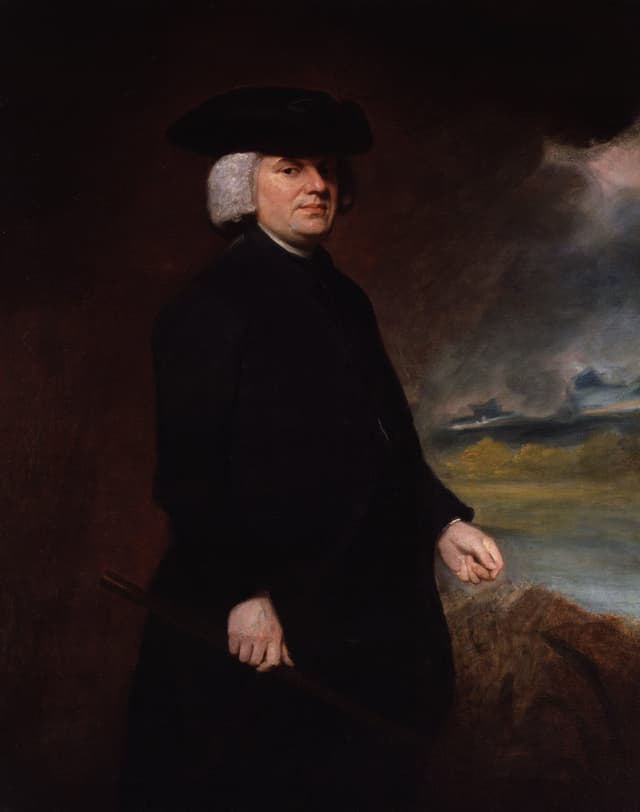
William Paley
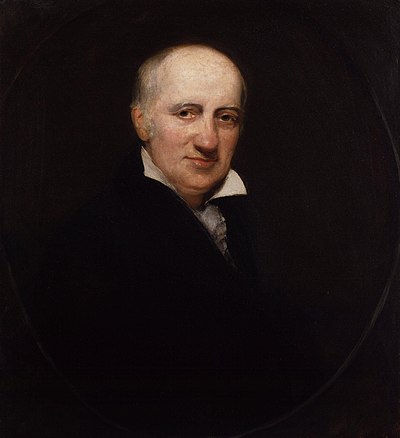
William Paley was an influential English Anglican clergyman, philosopher, and Christian apologist, renowned for his contributions to natural theology. His most significant work, 'Natural Theology or Evidences of the Existence and Attributes of the Deity,' published in 1802, presented a compelling exposition of the teleological argument for the existence of God. Paley famously employed the watchmaker analogy, suggesting that just as a watch implies a watchmaker, the complexity of the universe implies a divine creator. This analogy became a cornerstone in discussions of design and purpose in nature. Beyond his theological contributions, Paley was also a utilitarian thinker, engaging with moral philosophy and ethics. His works influenced both religious and secular thought, bridging the gap between faith and reason during a time of significant intellectual upheaval. Paley's legacy endures in the fields of philosophy and theology, where his arguments continue to provoke discussion and debate regarding the existence of God and the nature of morality.
Famous Quotes
View all 3 quotes“There is a principle which is a bar against all information, which is proof against all arguments, and which cannot fail to keep a man in everlasting ignorance - that principle is contempt prior to investigation.”
“Condemnation without investigation is the height of ignorance.”
“Let's say you're walking around and you find a watch on the ground. As you examine it, you marvel at the intricately complex interweaving of its parts, a means to an end. Surely you wouldn't think this marvel would have come about by itself. The watch must have a maker. Just as the watch has such complex means to an end, so does nature to a much greater extent. Just look at the complexity of the human eye. Thus we must conclude that nature has a maker too.”
Books from the author





Link to this page
Add a free, dofollow link to Lex on your blog, forum, syllabus, or reading list.

<a href="https://lex-books.com/author/william-paley"><img src="https://lex-books.com/badges/read-on-lex.svg" alt="William Paley on Lex" width="160" height="40"></a>[](https://lex-books.com/author/william-paley)[url=https://lex-books.com/author/william-paley][img]https://lex-books.com/badges/read-on-lex.svg[/img][/url]William Paley on Lex: https://lex-books.com/author/william-paley