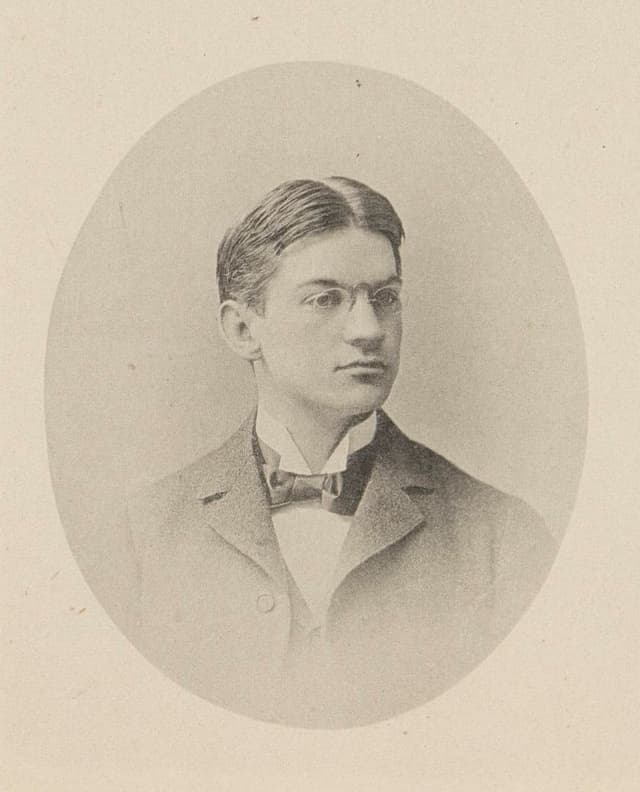
William Lyon Phelps
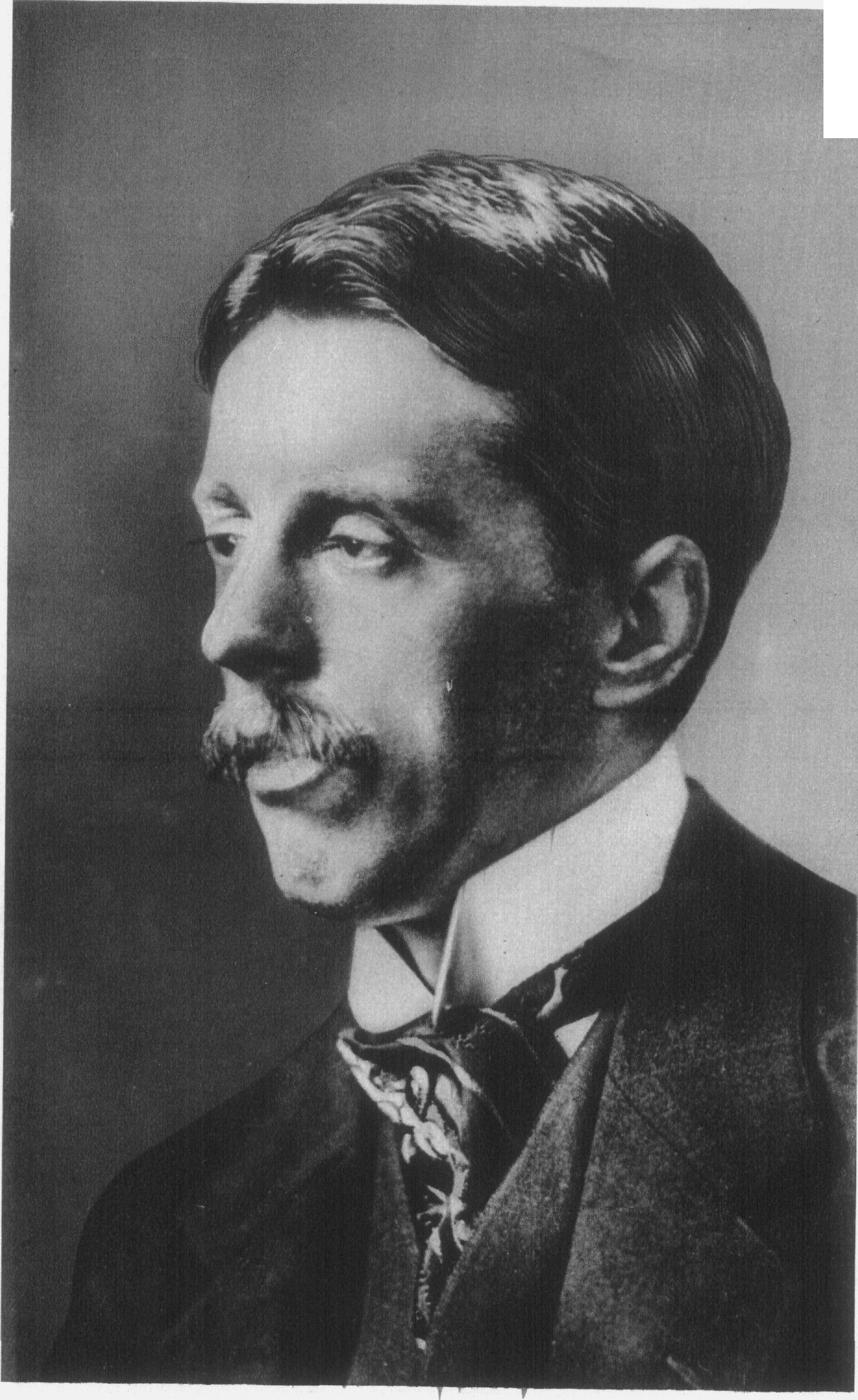
William Lyon Phelps was an influential American author, critic, and scholar, renowned for his contributions to literary criticism and education in the early 20th century. He made history by teaching the first American university course dedicated to the modern novel, thereby shaping the academic landscape for future generations of literature students. Phelps was also a prolific writer, producing a vast array of books and articles that explored the nuances of literature and its impact on society. His engaging style made literary criticism accessible to a broader audience, and he became a familiar voice through his daily syndicated newspaper column and popular radio show. Throughout his career, Phelps emphasized the importance of literature as a reflection of human experience and societal values. His works, which included titles such as "The Advance of English Poetry in the Twentieth Century" and "Essays on Modern Novelists," showcased his deep understanding of narrative forms and character development. Phelps's legacy lies not only in his scholarly contributions but also in his ability to connect literature with the everyday lives of his readers, making him a pivotal figure in American literary culture during his time.
Famous Quotes
View all 3 quotes“The happiest people are those who think the most interesting thoughts. Those who decide to use leisure as a means of mental development, who love good music, good books, good pictures, good company, good conversation, are the happiest people in the world. And they are not only happy in themselves, they are the cause of happiness in others.”
“I divide all readers into two classes: those who read to remember and those who read to forget.”
“The amazing activity of the cat is delicately balanced by his capacity for relaxation. Every household should contain a cat, not only for decorative and domestic values, but because the cat in quiescence is medicinal to irritable, tense, tortured men and women.”
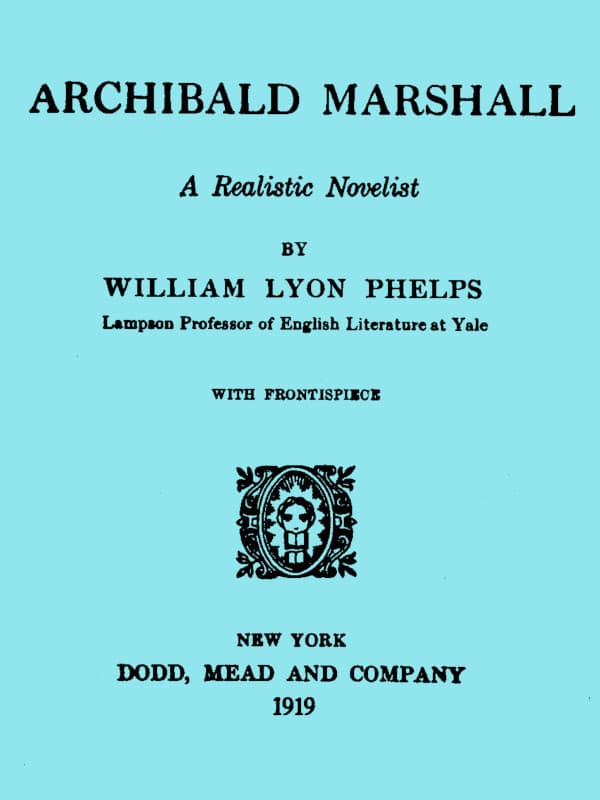
Books from the author

Link to this page
Add a free, dofollow link to Lex on your blog, forum, syllabus, or reading list.

<a href="https://lex-books.com/author/william-lyon-phelps"><img src="https://lex-books.com/badges/read-on-lex.svg" alt="William Lyon Phelps on Lex" width="160" height="40"></a>[](https://lex-books.com/author/william-lyon-phelps)[url=https://lex-books.com/author/william-lyon-phelps][img]https://lex-books.com/badges/read-on-lex.svg[/img][/url]William Lyon Phelps on Lex: https://lex-books.com/author/william-lyon-phelps