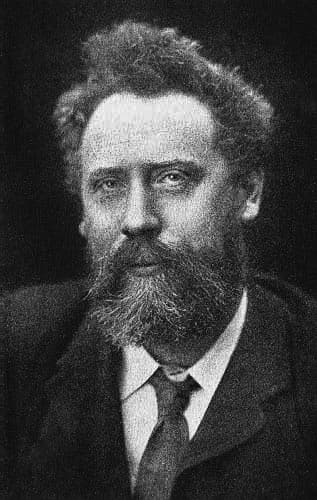
William Ernest Henley
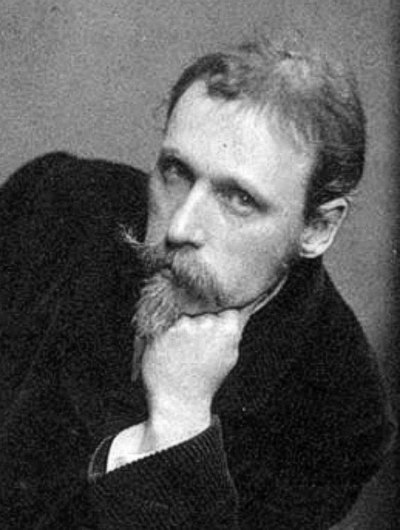
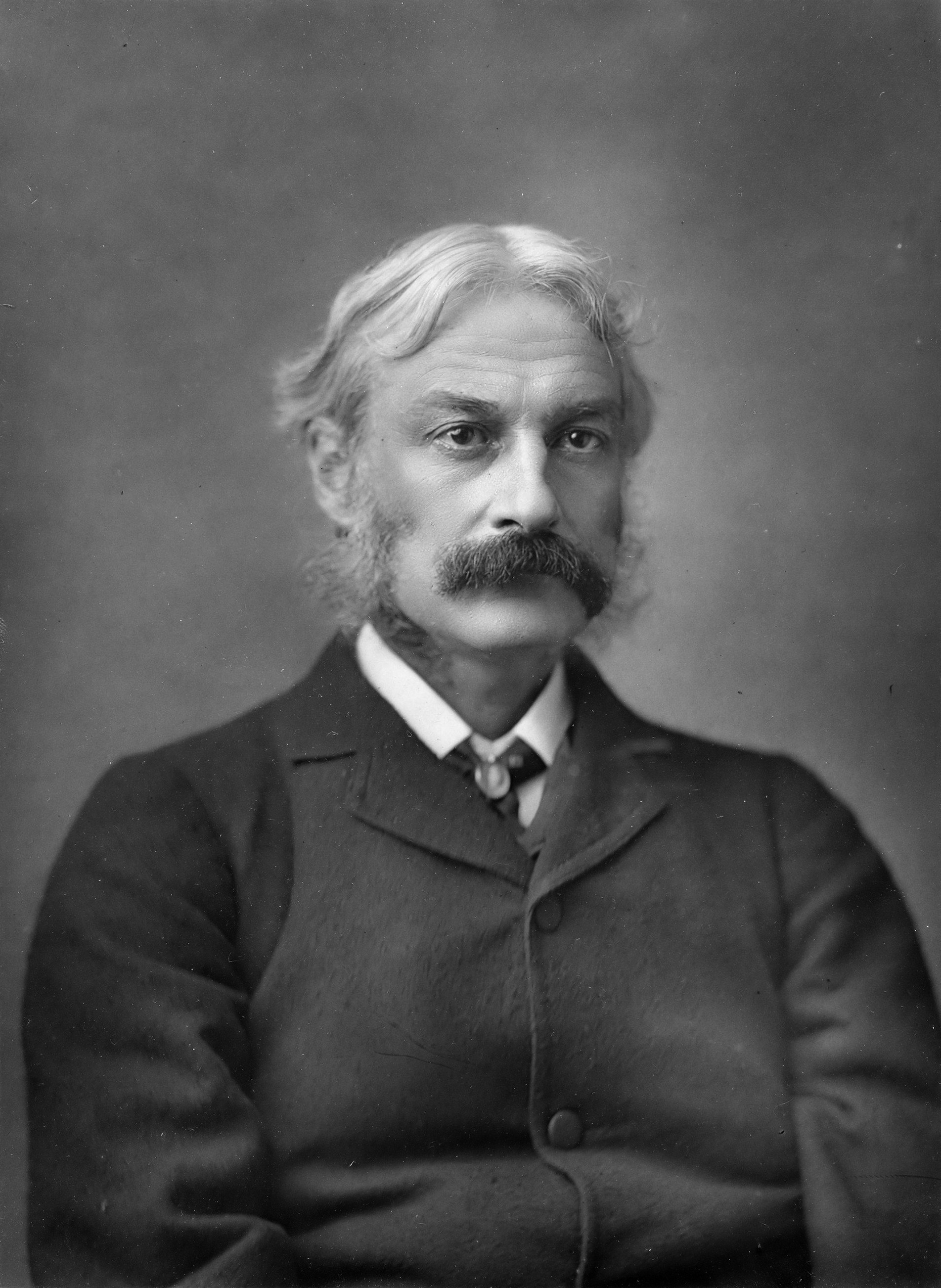
William Ernest Henley was an influential English poet, writer, critic, and editor, best known for his enduring poem "Invictus," published in 1875. This work, characterized by its themes of resilience and self-determination, has inspired countless readers and has become a symbol of courage in the face of adversity. Henley's literary contributions extended beyond poetry; he was a prominent figure in London’s literary circles, where he mingled with notable contemporaries and influenced the arts through his critical writings and editorial work. Henley's life was marked by personal challenges, including the amputation of his leg due to tuberculosis of the bone, which profoundly shaped his worldview and literary voice. His indomitable spirit and fierce independence were reflected in his writings and his friendships, notably inspiring Robert Louis Stevenson’s character Long John Silver in "Treasure Island" and influencing J. M. Barrie's creation of the name Wendy for his beloved character in "Peter Pan." Henley's legacy endures not only through his poetry but also through the impact he had on his peers and the literary landscape of his time.
Famous Quotes
View all 3 quotes“It matters not how strait the gate, How charged with punishments the scroll, I am the master of my fate: I am the captain of my soul.”
“Out of the night that covers me, Black as the Pit from pole to pole, I thank whatever gods may be For my unconquerable soul. In the fell clutch of circumstance I have not winced nor cried aloud. Under the bludgeonings of chance My head is bloody, but unbowed. Beyond this place of wrath and tears Looms but the Horror of the shade, And yet the menace of the years Finds, and shall find, me unafraid. It matters not how strait the gate, How charged with punishments the scroll, I am the master of my fate: I am the captain of my soul.”
“I am the master of my fate: I am the captain of my soul.”
Books from the author


Link to this page
Add a free, dofollow link to Lex on your blog, forum, syllabus, or reading list.

<a href="https://lex-books.com/author/william-ernest-henley"><img src="https://lex-books.com/badges/read-on-lex.svg" alt="William Ernest Henley on Lex" width="160" height="40"></a>[](https://lex-books.com/author/william-ernest-henley)[url=https://lex-books.com/author/william-ernest-henley][img]https://lex-books.com/badges/read-on-lex.svg[/img][/url]William Ernest Henley on Lex: https://lex-books.com/author/william-ernest-henley