William Danks
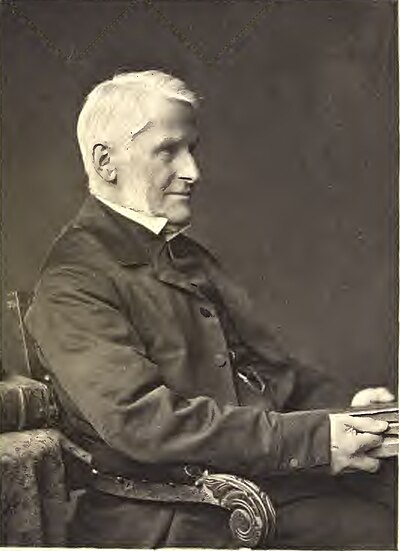
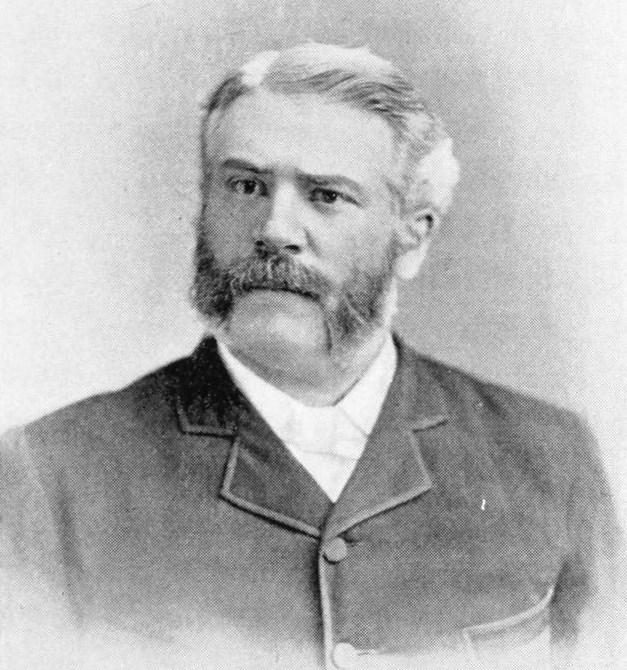
William Danks was an influential English clergyman and author, best known for his role as Archdeacon of Richmond from 1894 to 1907. Born in Nottingham, he pursued his education at The Queen's College, Oxford, which laid the foundation for his ecclesiastical career. Following his ordination, Danks served as a curate in Basford before taking on significant incumbencies in Ilkley and Richmond, Yorkshire. His clerical work was marked by a commitment to his community and the Church of England, reflecting the values of his time. In addition to his pastoral duties, Danks was a prolific writer, contributing several books that often explored themes relevant to his faith and the societal issues of the Victorian era. His writings, while not as widely recognized today, offered insights into the religious and cultural landscape of his time, providing a voice for the concerns of the Church and its followers. Danks's legacy endures through his contributions to both the church and literature, highlighting the intersection of faith and social commentary in the late 19th and early 20th centuries.
Famous Quotes
View all 6 quotes“Through the forest have I gone.But Athenian found I none,On whose eyes I might approveThis flower's force in stirring love.Night and silence.--Who is here?Weeds of Athens he doth wear:This is he, my master said,Despised the Athenian maid;And here the maiden, sleeping sound,On the dank and dirty ground.Pretty soul! she durst not lieNear this lack-love, this kill-courtesy.Churl, upon thy eyes I throwAll the power this charm doth owe.When thou wakest, let love forbidSleep his seat on thy eyelid:So awake when I am gone;For I must now to Oberon.””
“The grey-eyed morn smiles on the frowning night,Chequering the eastern clouds with streaks of light,And flecked darkness like a drunkard reelsFrom forth day's path and Titan's fiery wheels:Now, ere the sun advance his burning eye,The day to cheer and night's dank dew to dry,I must up-fill this osier cage of oursWith baleful weeds and precious-juiced flowers.The earth that's nature's mother is her tomb;What is her burying grave that is her womb,And from her womb children of divers kindWe sucking on her natural bosom find,Many for many virtues excellent,None but for some and yet all different.O, mickle is the powerful grace that liesIn herbs, plants, stones, and their true qualities:For nought so vile that on the earth doth liveBut to the earth some special good doth give,Nor aught so good but strain'd from that fair useRevolts from true birth, stumbling on abuse:Virtue itself turns vice, being misapplied;And vice sometimes by action dignified.Within the infant rind of this small flowerPoison hath residence and medicine power:For this, being smelt, with that part cheers each part;Being tasted, slays all senses with the heart.Two such opposed kings encamp them stillIn man as well as herbs, grace and rude will;And where the worser is predominant,Full soon the canker death eats up that plant.””
“Is it physical To walk unbraced and suck up the humors Of the dank morning? What, is Brutus sick, And will he steal out of his wholesome bed To dare the vile contagion of the night?””
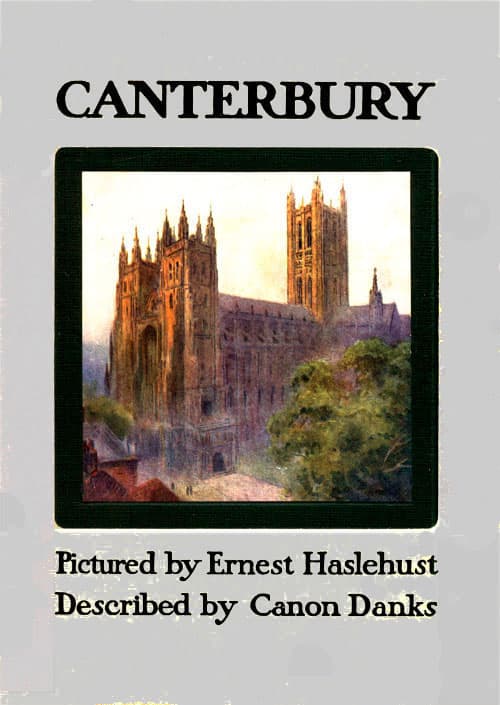
Books from the author



Link to this page
Add a free, dofollow link to Lex on your blog, forum, syllabus, or reading list.

<a href="https://lex-books.com/author/william-danks"><img src="https://lex-books.com/badges/read-on-lex.svg" alt="William Danks on Lex" width="160" height="40"></a>[](https://lex-books.com/author/william-danks)[url=https://lex-books.com/author/william-danks][img]https://lex-books.com/badges/read-on-lex.svg[/img][/url]William Danks on Lex: https://lex-books.com/author/william-danks