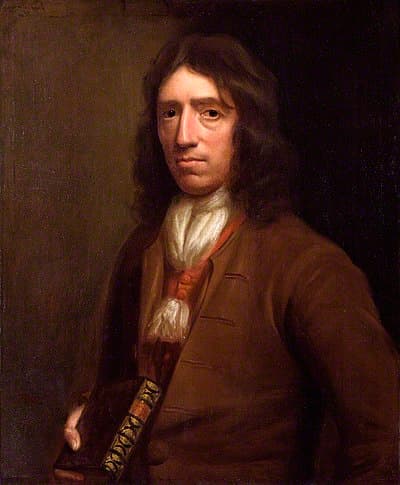
William Dampier
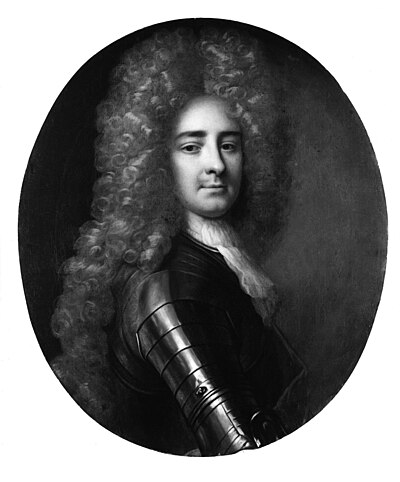
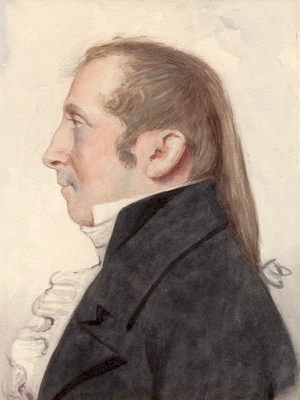
William Dampier was an English explorer, navigator, and naturalist who made significant contributions to the fields of exploration and natural history in the late 17th and early 18th centuries. He was the first Englishman to explore parts of what is now Australia and the first person to circumnavigate the globe three times. Dampier's expeditions were notable not only for their adventurous spirit but also for their scientific rigor, bridging the eras of Sir Francis Drake and Captain James Cook. His writings introduced European audiences to a variety of new plants, animals, and culinary practices, coining terms such as 'avocado,' 'barbecue,' and 'chopsticks.' He notably documented the preparation of guacamole, marking a significant cultural exchange between Europe and the New World. Dampier's influential work, A New Voyage Round the World, garnered the attention of the British Admiralty, leading to his command of a Royal Navy ship. His voyages resulted in important discoveries along the western coast of Australia, although his career was marred by controversy when he was court-martialed for cruelty. Despite this, his legacy endured, influencing notable figures such as George Anson, James Cook, and even literary characters like Robinson Crusoe, inspired by his rescue of Alexander Selkirk. Dampier's blend of exploration and natural history solidified his place as a pivotal figure in the annals of British exploration.
Famous Quotes
View all 1 quotes“Great discoveries are made accidentally less often than the populace likes to think. (Commenting on how an accident led to the discovery of X-rays)”
Books from the author