William Crooke
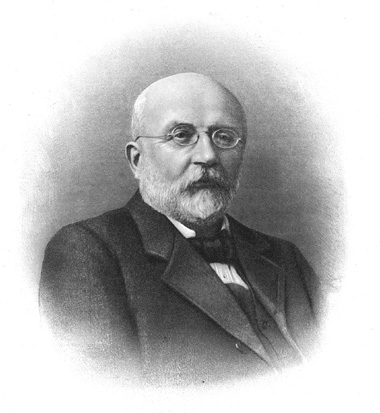
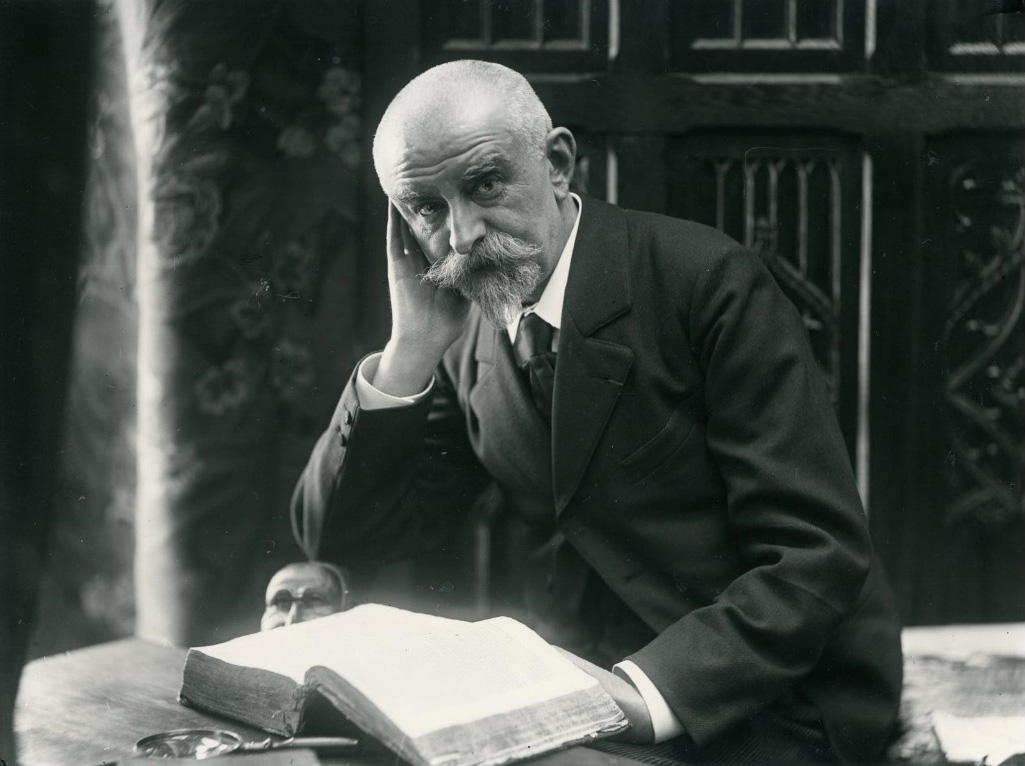
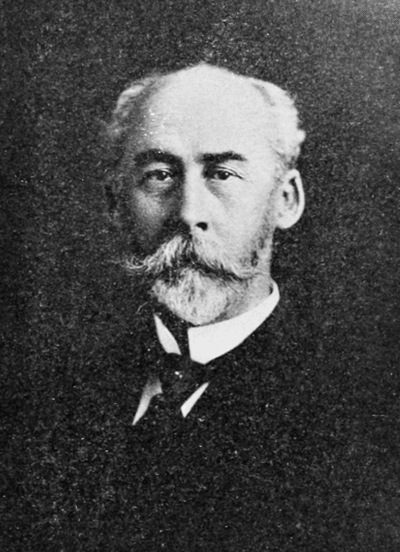
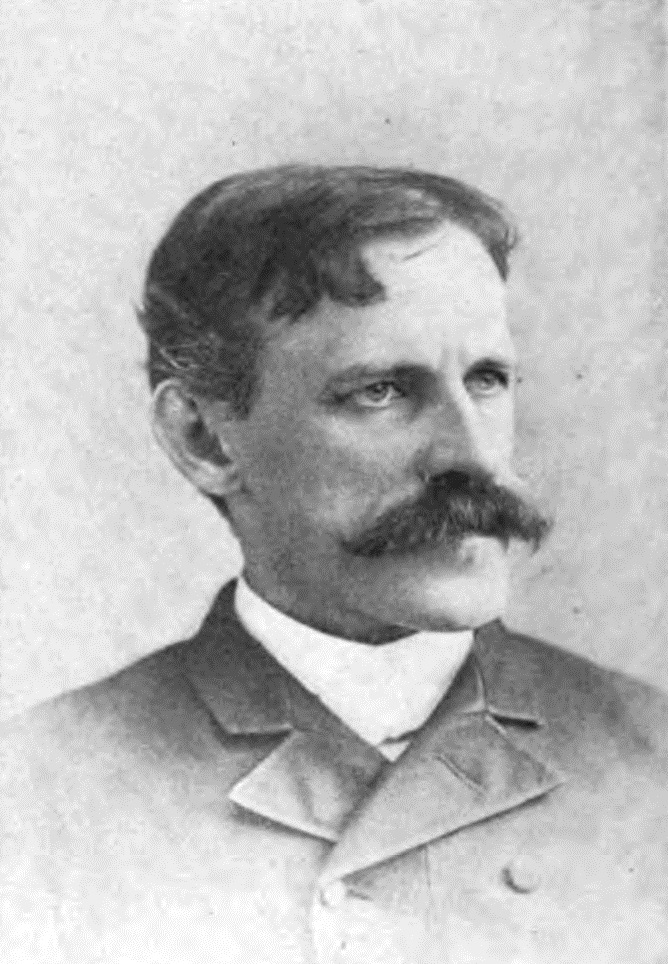
William Crooke was a prominent British orientalist and a significant contributor to the study of Anglo-Indian folklore. Born in County Cork, Ireland, he received his education at Tipperary Grammar School and Trinity College, Dublin, before joining the Indian Civil Service. During his 25 years in India, Crooke immersed himself in the rich tapestry of Indian culture, documenting the diverse religions, beliefs, and customs of its people. His administrative career was marked by notable achievements, although it was cut short due to conflicts with superiors. Nevertheless, his passion for research flourished, leading him to become a key figure in the field of anthropology. Upon returning to England, Crooke's influence continued to grow. He was elected president of the Anthropological Section of the British Association in 1910 and served as president of the Folklore Society, where he was instrumental in advancing the study of folklore. As the editor of the journal Folk-lore from 1915 until his death, he played a crucial role in shaping the discourse surrounding folklore studies. Crooke's extensive writings and dedication to documenting the cultural heritage of India have left a lasting legacy in the fields of anthropology and folklore, making him a pivotal figure in understanding the complexities of Anglo-Indian cultural interactions.
Famous Quotes
View all 12 quotes“Improvement makes strait roads, but the crooked roads without Improvement, are roads of Genius.””
“O for a Muse of fire, that would ascendThe brightest heaven of invention,A kingdom for a stage, princes to actAnd monarchs to behold the swelling scene!Then should the warlike Harry, like himself,Assume the port of Mars; and at his heels,Leash'd in like hounds, should famine, sword and fireCrouch for employment. But pardon, and gentles all,The flat unraised spirits that have daredOn this unworthy scaffold to bring forthSo great an object: can this cockpit holdThe vasty fields of France? or may we cramWithin this wooden O the very casquesThat did affright the air at Agincourt?O, pardon! since a crooked figure mayAttest in little place a million;And let us, ciphers to this great accompt,On your imaginary forces work.Suppose within the girdle of these wallsAre now confined two mighty monarchies,Whose high upreared and abutting frontsThe perilous narrow ocean parts asunder:Piece out our imperfections with your thoughts;Into a thousand parts divide on man,And make imaginary puissance;Think when we talk of horses, that you see themPrinting their proud hoofs i' the receiving earth;For 'tis your thoughts that now must deck our kings,Carry them here and there; jumping o'er times,Turning the accomplishment of many yearsInto an hour-glass: for the which supply,Admit me Chorus to this history;Who prologue-like your humble patience pray,Gently to hear, kindly to judge, our play.””
“Brown Penny I WHISPERED, 'I am too young,'And then, 'I am old enough';Wherefore I threw a pennyTo find out if I might love.'Go and love, go and love, young man,If the lady be young and fair.'Ah, penny, brown penny, brown penny,I am looped in the loops of her hair.O love is the crooked thing,There is nobody wise enoughTo find out all that is in it,For he would be thinking of loveTill the stars had run awayAnd the shadows eaten the moon.Ah, penny, brown penny, brown penny,One cannot begin it too soon.””
Books from the author

Link to this page
Add a free, dofollow link to Lex on your blog, forum, syllabus, or reading list.

<a href="https://lex-books.com/author/william-crooke"><img src="https://lex-books.com/badges/read-on-lex.svg" alt="William Crooke on Lex" width="160" height="40"></a>[](https://lex-books.com/author/william-crooke)[url=https://lex-books.com/author/william-crooke][img]https://lex-books.com/badges/read-on-lex.svg[/img][/url]William Crooke on Lex: https://lex-books.com/author/william-crooke