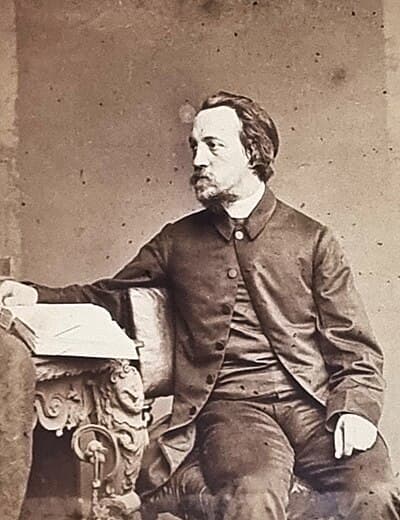
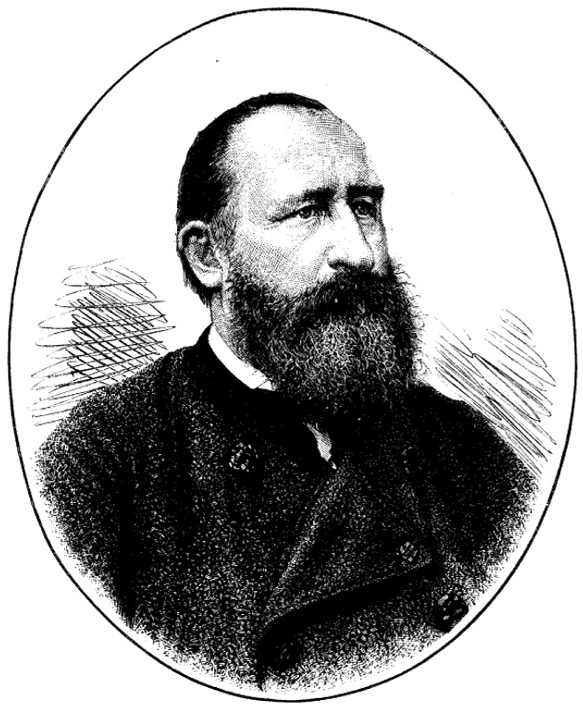
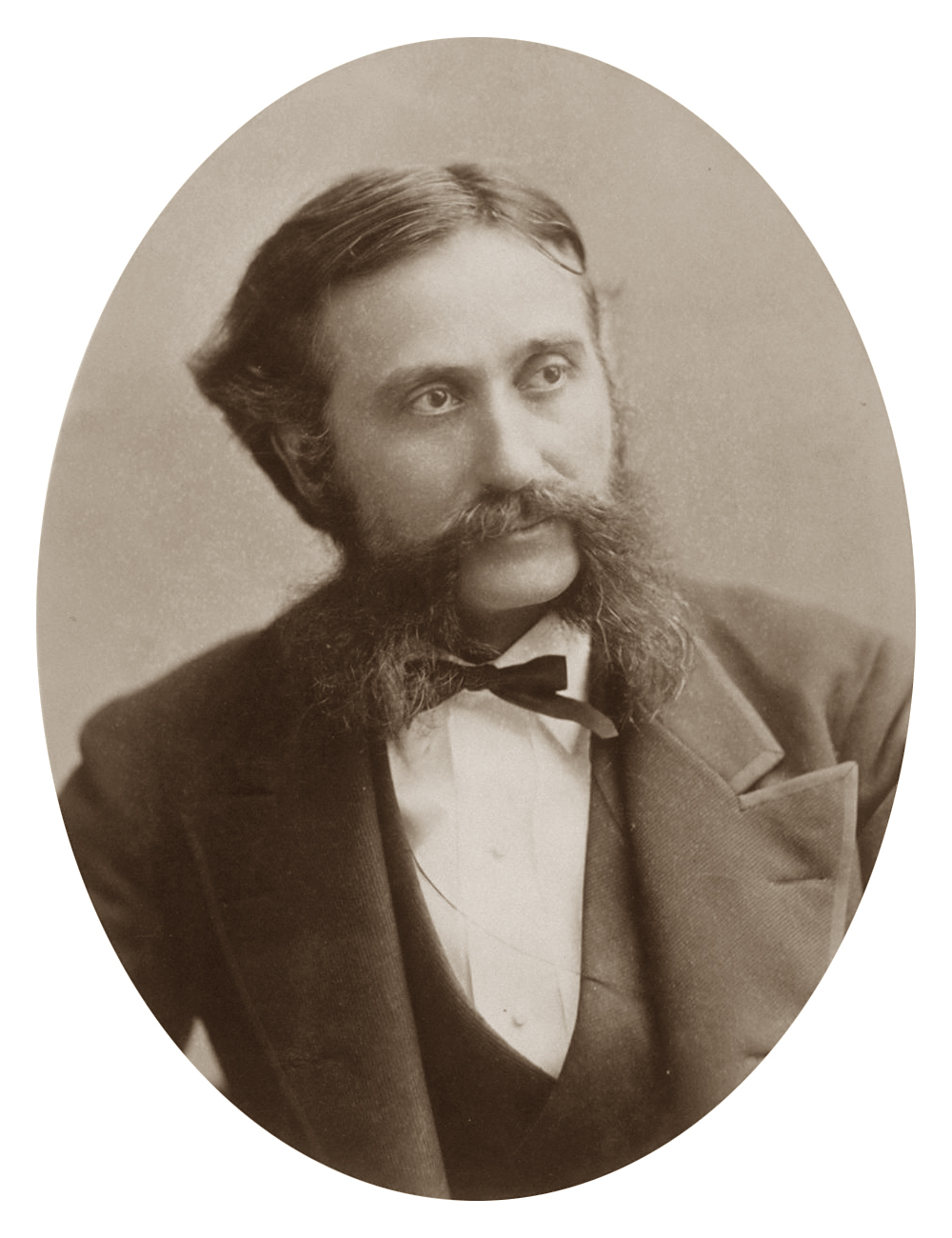
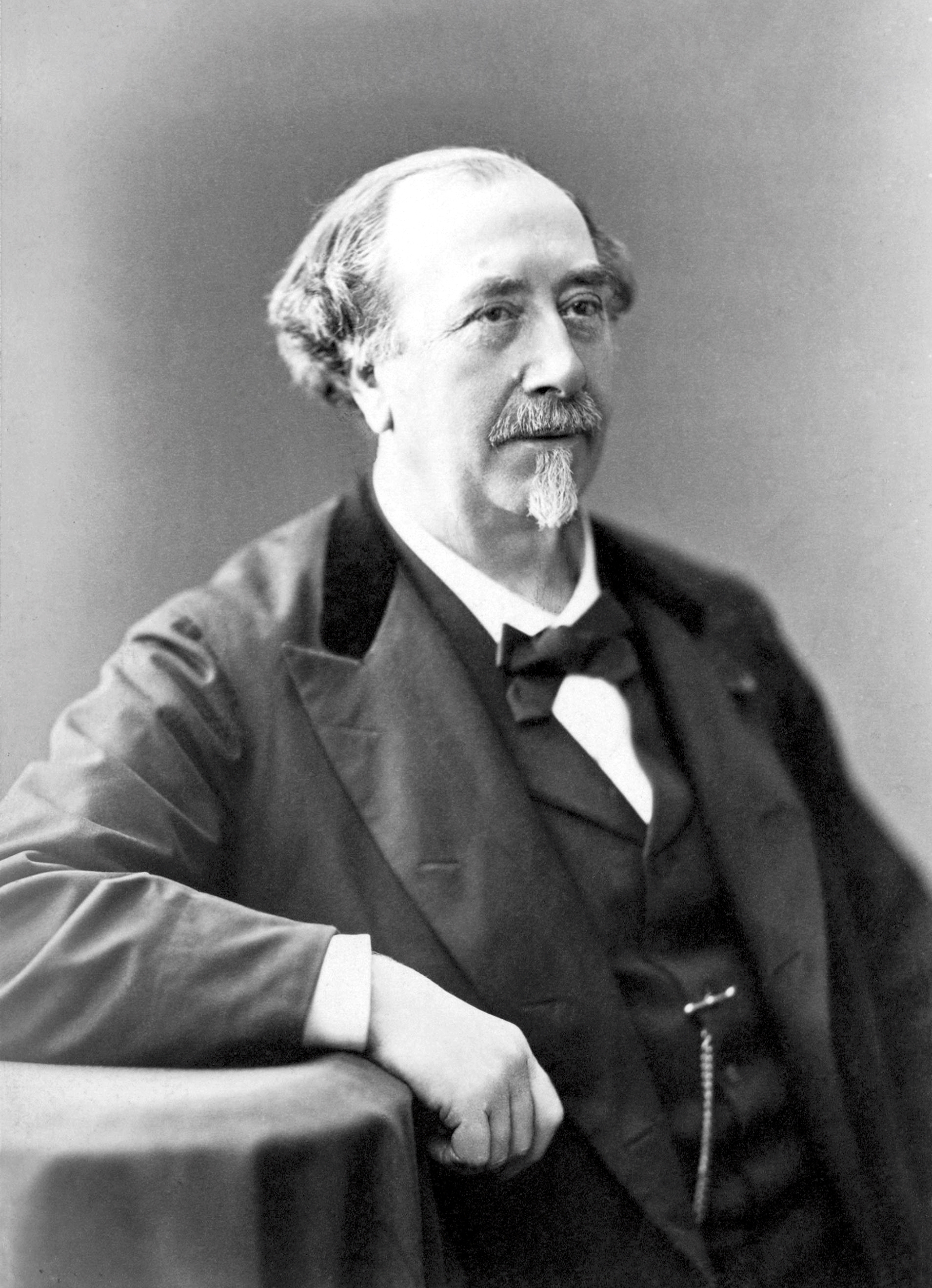
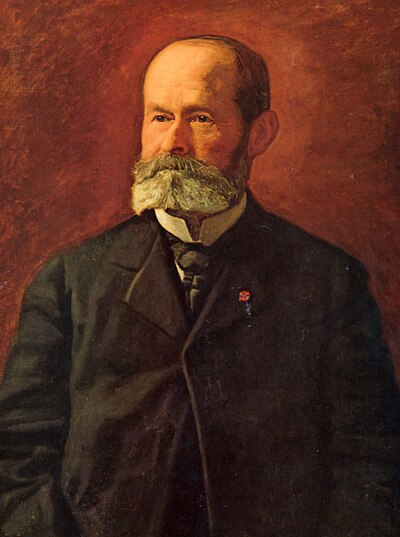
J. G. Wood
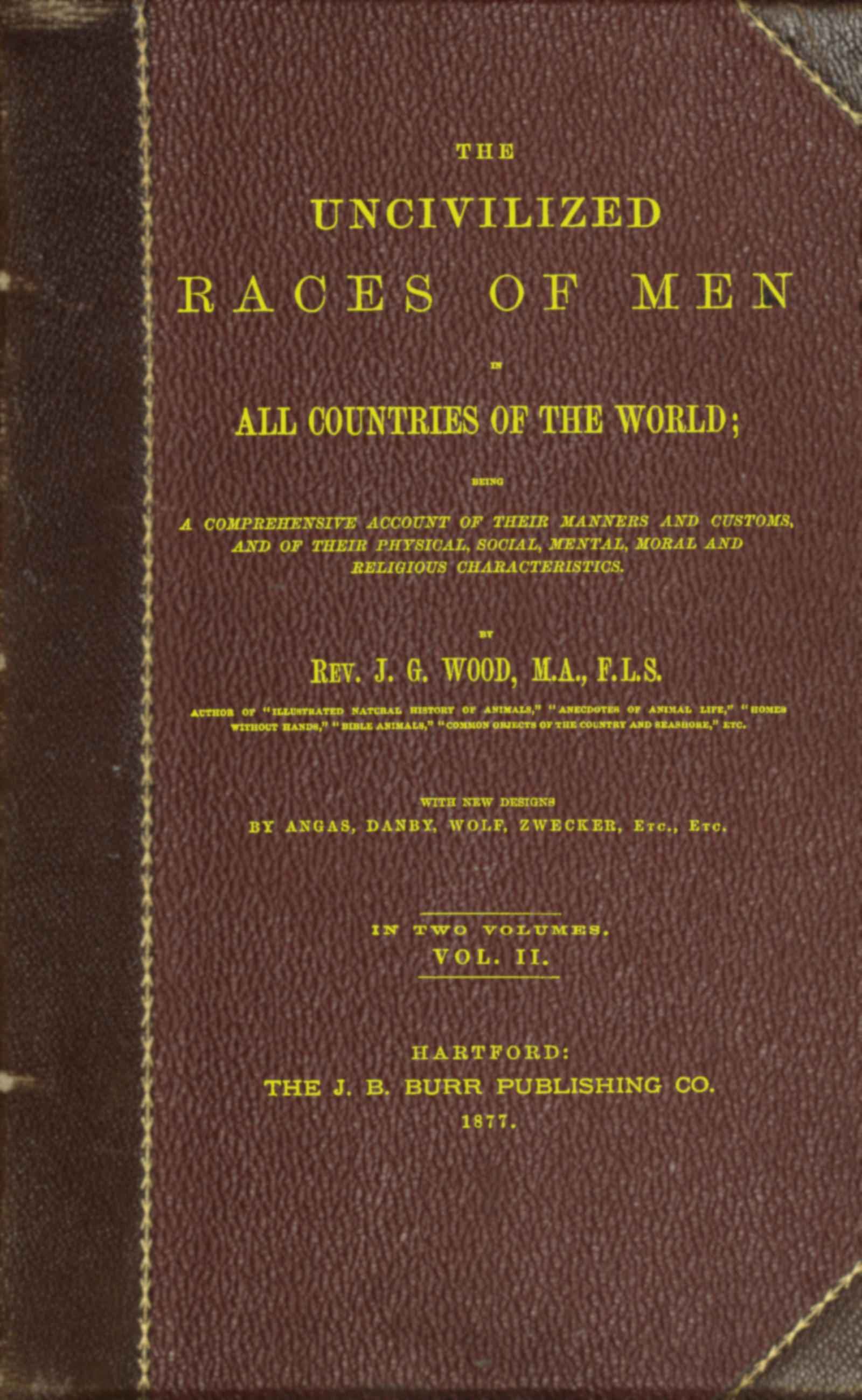
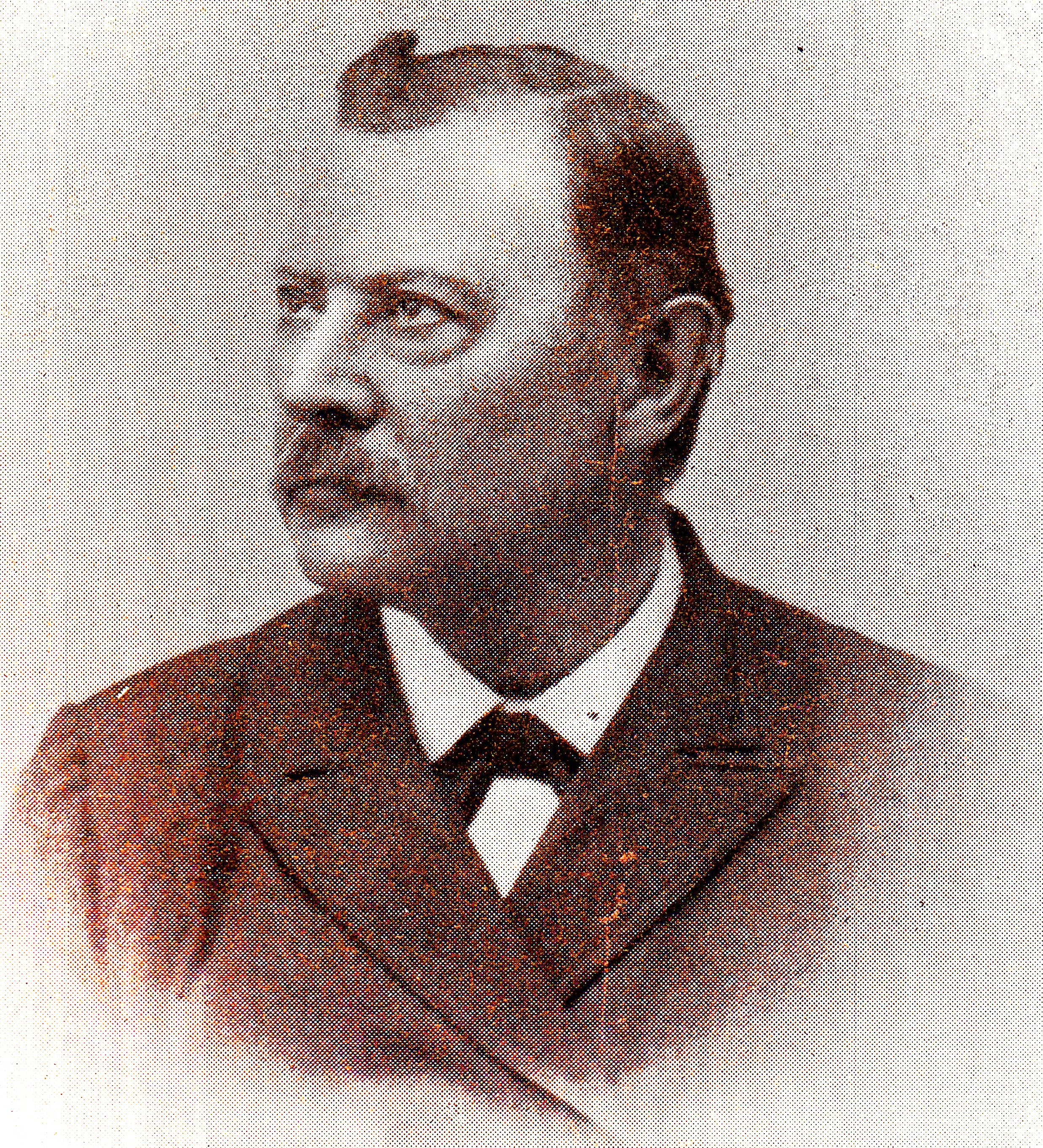
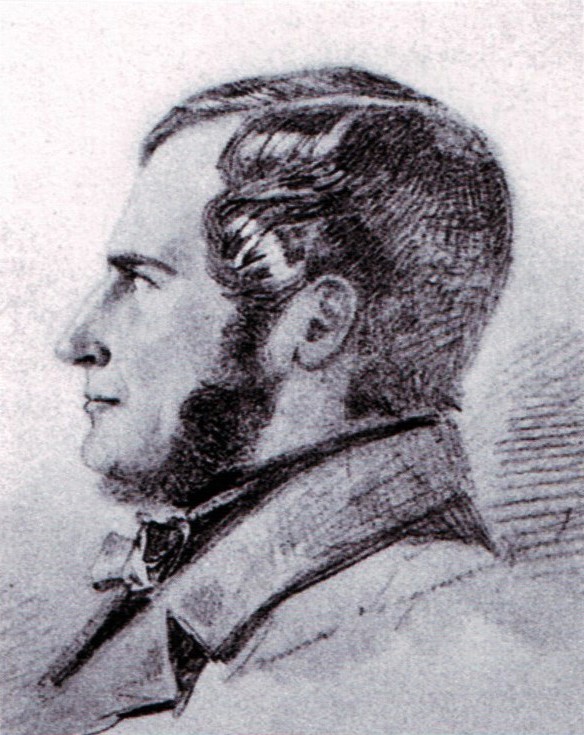
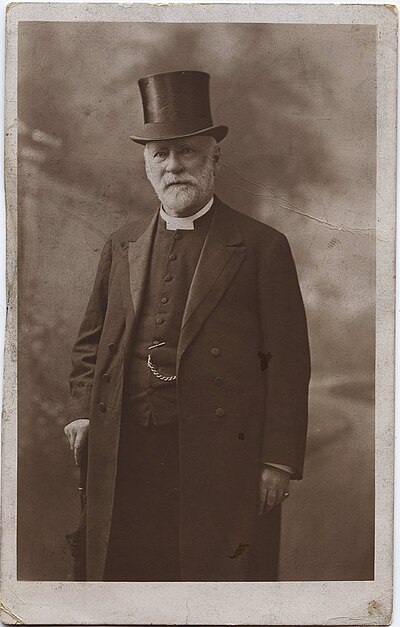
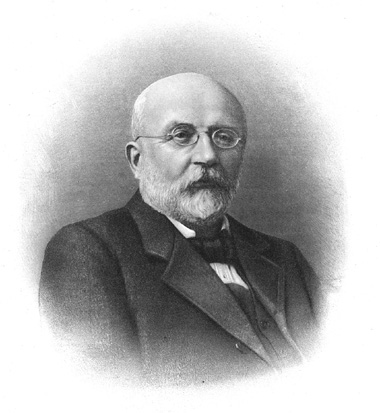
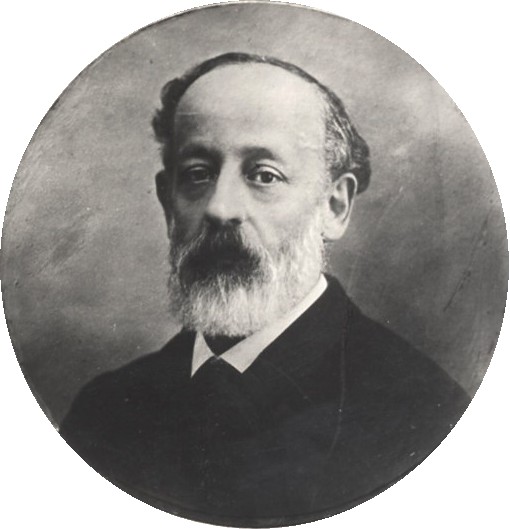
J. G. Wood was an English naturalist, writer, and illustrator, best known for his engaging works that brought the wonders of the natural world to a broad audience. Born in 1827, Wood developed a passion for nature early in life, which led him to pursue a career that combined his interests in writing and natural history. He became a prominent figure in the Victorian era, contributing to various periodicals and writing extensively about birds, insects, and other wildlife. His most notable works include "The Illustrated Natural History," which provided detailed illustrations and descriptions of various species, and "Homes Without Hands," which explored the habitats and behaviors of animals in a captivating manner. Wood's writing style was characterized by a blend of scientific accuracy and accessible prose, making complex subjects understandable for the general public. His ability to convey the beauty and intricacies of nature helped foster a greater appreciation for the natural sciences during a time when industrialization was rapidly changing the landscape. J. G. Wood's legacy endures through his contributions to natural history literature, inspiring future generations of naturalists and writers alike, and his works continue to be referenced for their insightful observations and engaging narratives.
Books from the author

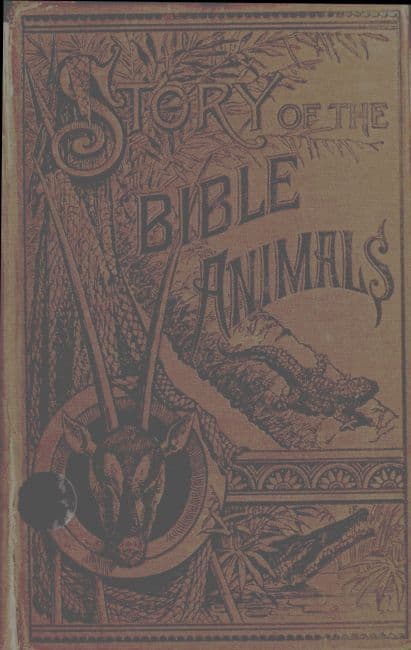
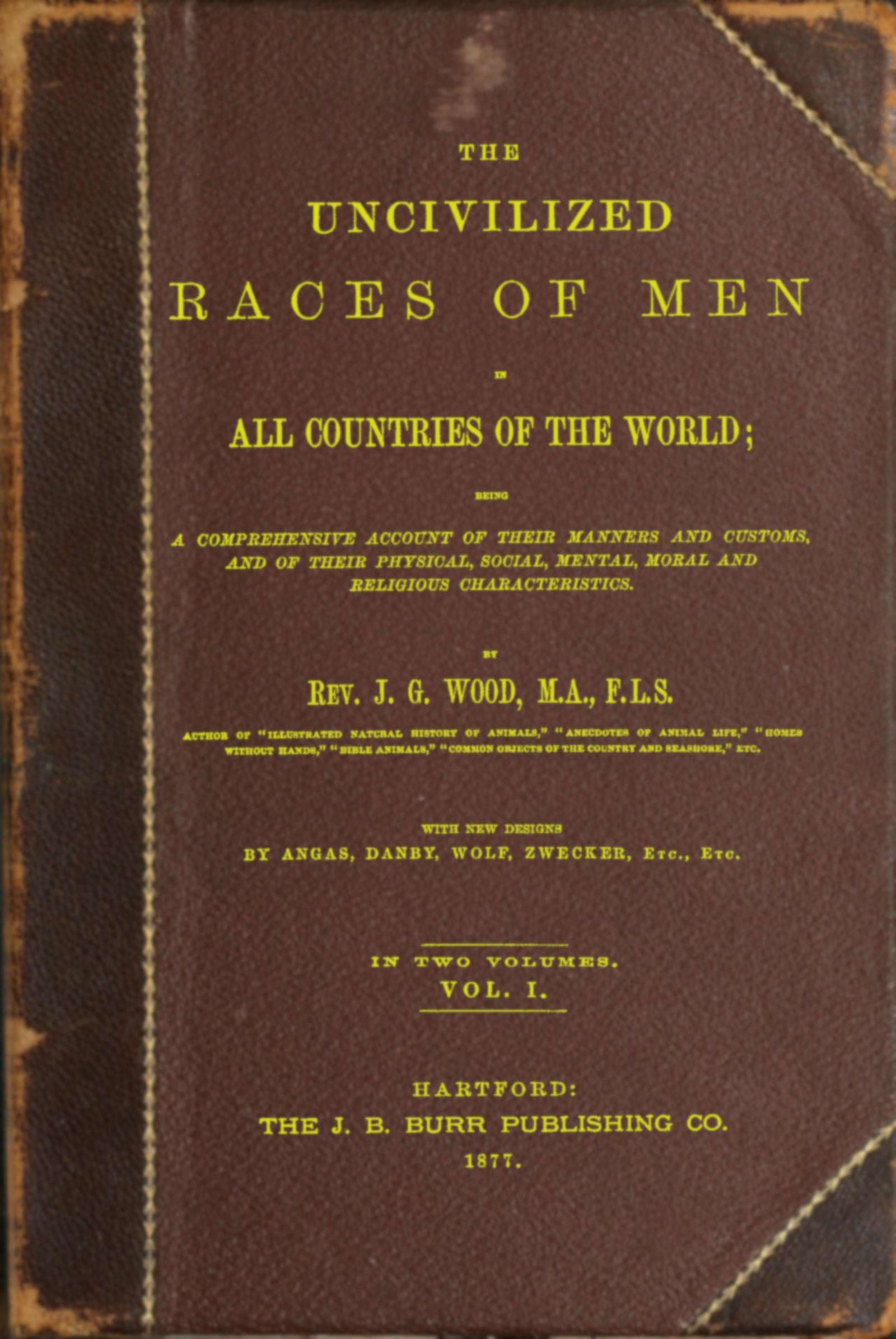
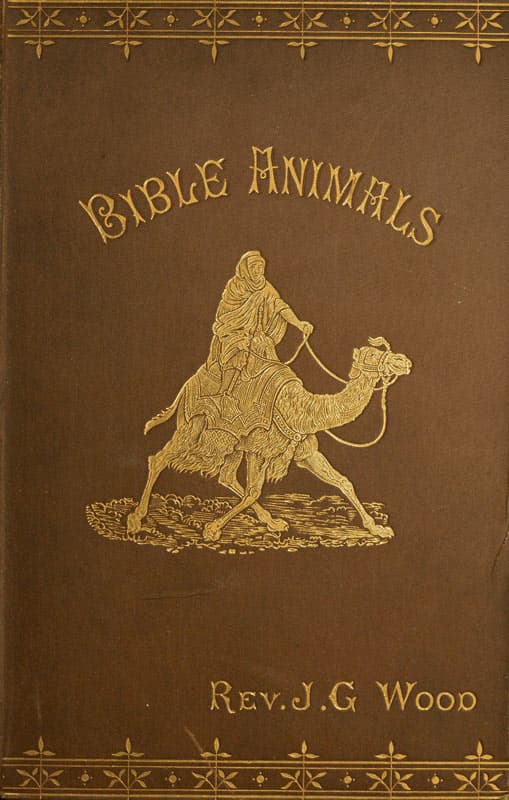


Link to this page
Add a free, dofollow link to Lex on your blog, forum, syllabus, or reading list.

<a href="https://lex-books.com/author/j-g-wood"><img src="https://lex-books.com/badges/read-on-lex.svg" alt="J. G. Wood on Lex" width="160" height="40"></a>[](https://lex-books.com/author/j-g-wood)[url=https://lex-books.com/author/j-g-wood][img]https://lex-books.com/badges/read-on-lex.svg[/img][/url]J. G. Wood on Lex: https://lex-books.com/author/j-g-wood