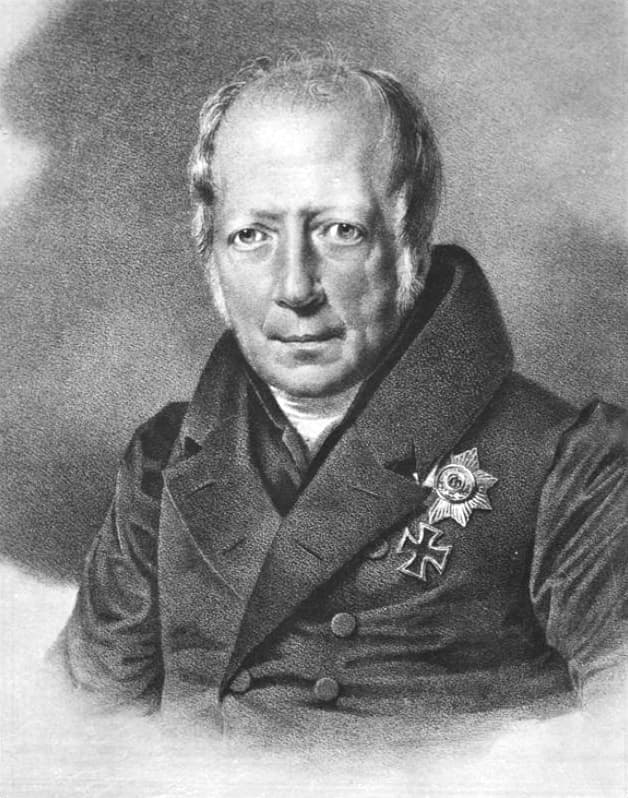
Wilhelm von Humboldt
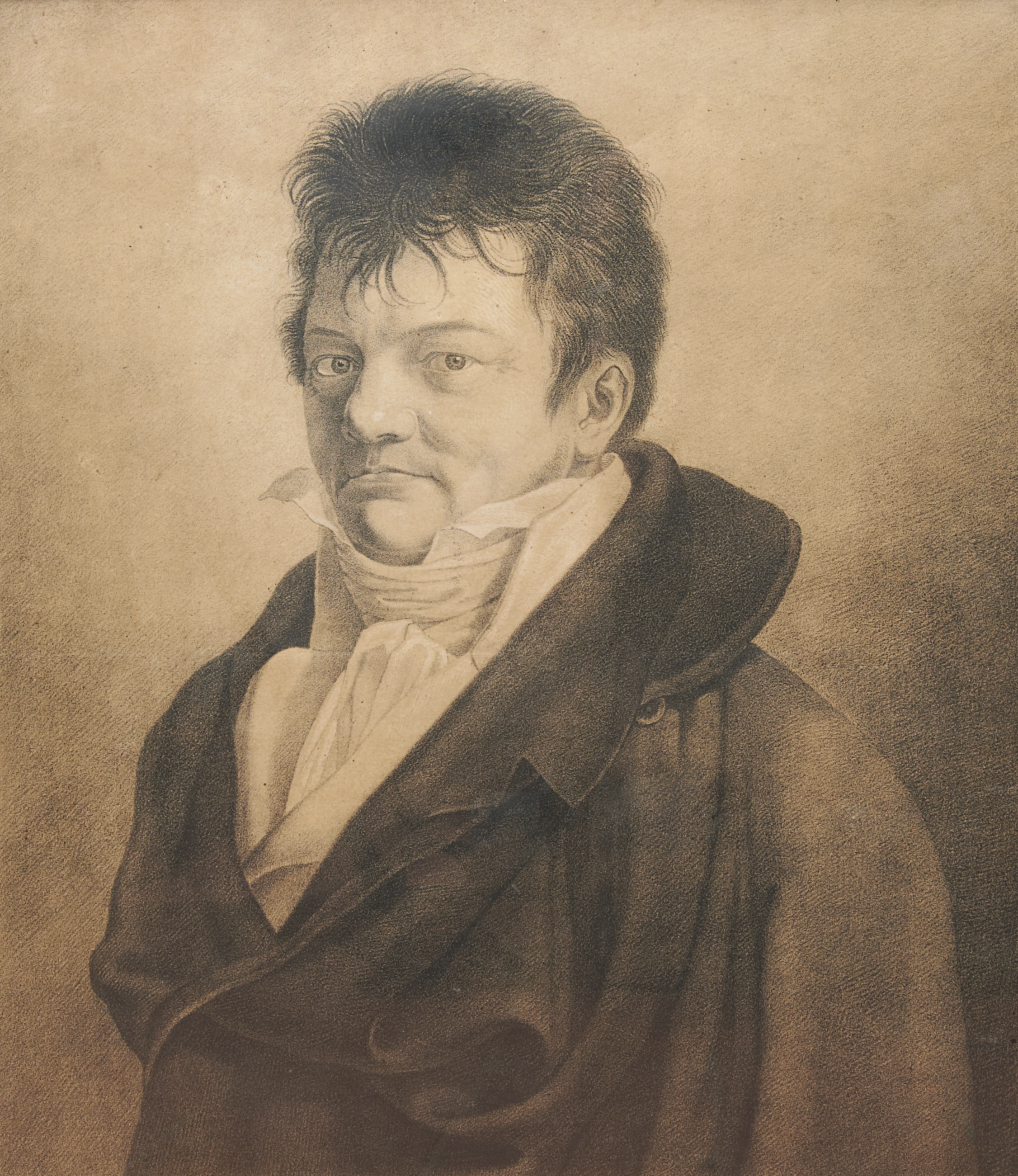
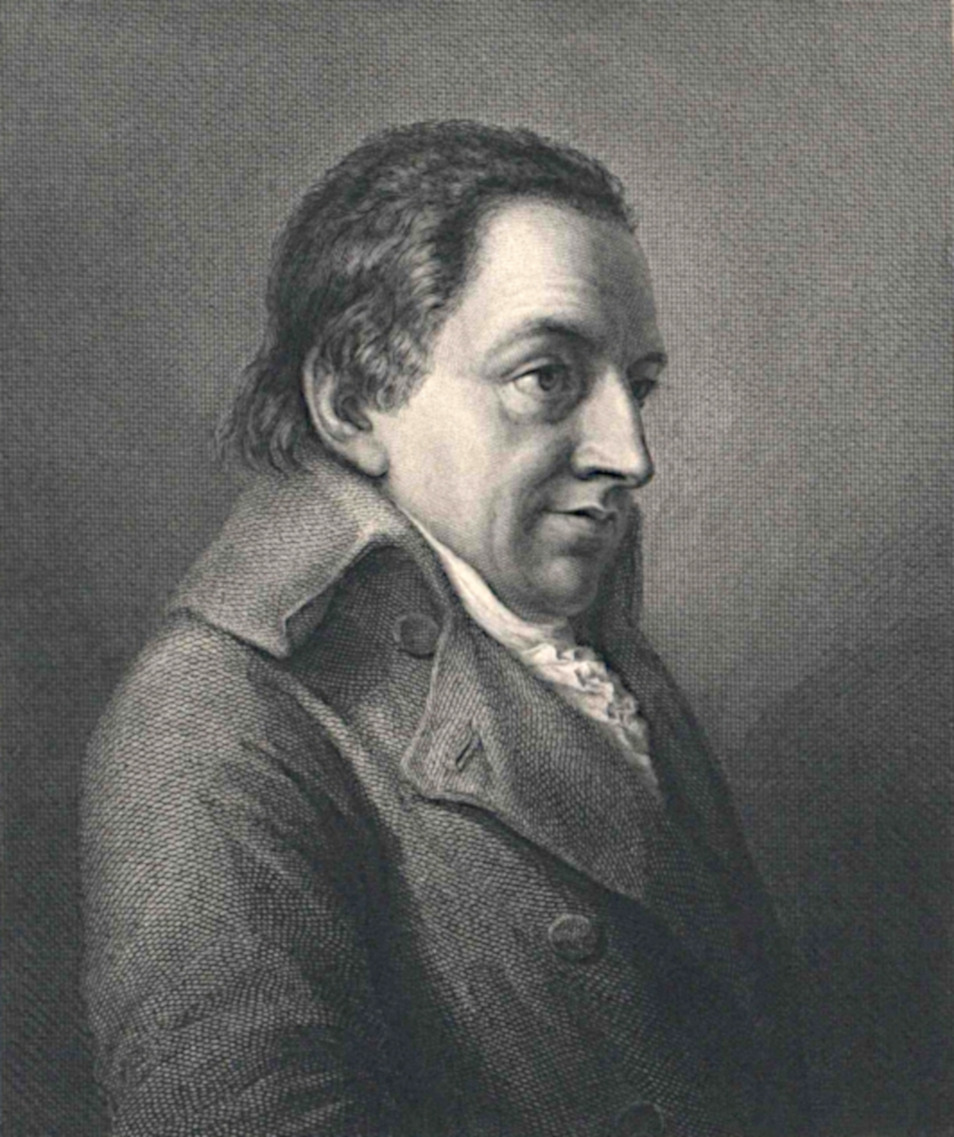
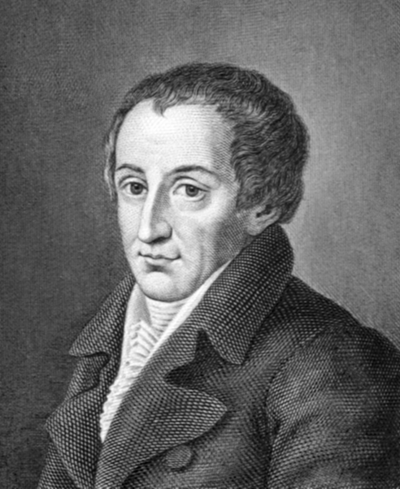
Friedrich Wilhelm Christian Karl Ferdinand von Humboldt was a prominent Prussian philosopher and linguist whose ideas significantly shaped modern education and liberal thought. He is best known for founding the Humboldt University of Berlin, which was established in recognition of his contributions to academia and intellectual discourse. Humboldt's work in the philosophy of language and ethnolinguistics laid the groundwork for understanding the relationship between language and thought, emphasizing the importance of individual expression and cultural diversity. Humboldt's most notable legacy is the Humboldtian education ideal, which advocates for a holistic approach to education that fosters personal development rather than merely preparing students for specific careers. This vision influenced educational reforms in Prussia and inspired systems in the United States and Japan. His belief in education as a means to realize individual potential rather than conforming to societal norms marked a significant shift in pedagogical philosophy, making him a key figure in the development of liberalism. His contributions continue to resonate in contemporary discussions on education and language, securing his place as a foundational thinker in these fields.
Famous Quotes
View all 3 quotes“I am more and more convinced that our happiness or unhappiness depends far more on the way we meet the events of life, than on the nature of those events themselves.”
“…man never regards what he possesses as so much his own, as what he does; and the labourer who tends a garden is perhaps in a truer sense its owner, than the listless voluptuary who enjoys its fruits…In view of this consideration, it seems as if all peasants and craftsman might be elevated into artists; that is, men who love their labour for its own sake, improve it by their own plastic genius and inventive skill, and thereby cultivate their intellect, ennoble their character, and exalt and refine their pleasures. And so humanity would be ennobled by the very things which now, though beautiful in themselves, so often serve to degrade it…But, still, freedom is undoubtedly the indispensable condition, without which even the pursuits most congenial to individual human nature, can never succeed in producing such salutary influences. Whatever does not spring from a man’s free choice, or is only the result of instruction and guidance, does not enter into his very being, but remains alien to his true nature; he does not perform it with truly human energies, but merely with mechanical exactness… …we may admire what he does, but we despise what he is.”
“How a person masters his fate is more important than what his fate is.”
Books from the author


Link to this page
Add a free, dofollow link to Lex on your blog, forum, syllabus, or reading list.

<a href="https://lex-books.com/author/wilhelm-von-humboldt"><img src="https://lex-books.com/badges/read-on-lex.svg" alt="Wilhelm von Humboldt on Lex" width="160" height="40"></a>[](https://lex-books.com/author/wilhelm-von-humboldt)[url=https://lex-books.com/author/wilhelm-von-humboldt][img]https://lex-books.com/badges/read-on-lex.svg[/img][/url]Wilhelm von Humboldt on Lex: https://lex-books.com/author/wilhelm-von-humboldt