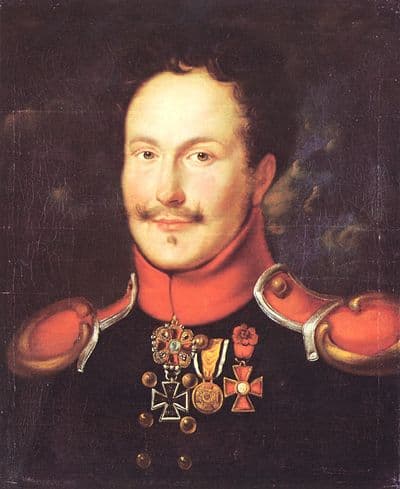
Friedrich Heinrich Karl, Freiherr de La Motte-Fouqué
Friedrich Heinrich Karl, Freiherr de La Motte-Fouqué, was a prominent German writer and poet known for his contributions to the early Romantic movement. Born in 1777, he was influenced by the cultural shifts of his time, particularly the emphasis on emotion and nature. His most notable work, 'Undine,' is a novella that tells the story of a water nymph who yearns for a soul through love. This tale not only exemplifies the Romantic fascination with the supernatural but also explores themes of identity and sacrifice, making it a significant precursor to later fantasy literature. La Motte-Fouqué's literary significance extends beyond 'Undine'; he wrote numerous other works, including 'Aslauga's Knight' and various plays and poems that reflect the Romantic ideals of heroism and the sublime. His writings often blended folklore with personal emotion, establishing a unique voice in German literature. Despite being overshadowed by contemporaries like E.T.A. Hoffmann and the Brothers Grimm, La Motte-Fouqué's influence on the genre of fantasy and fairy tales is undeniable, as he paved the way for future authors to explore the interplay between the fantastical and the human experience. He passed away in 1843, leaving behind a legacy that would inspire generations of writers.
Books from the author




Link to this page
Add a free, dofollow link to Lex on your blog, forum, syllabus, or reading list.

<a href="https://lex-books.com/author/friedrich-heinrich-karl-freiherr-de-la-motte-fouqué"><img src="https://lex-books.com/badges/read-on-lex.svg" alt="Friedrich Heinrich Karl, Freiherr de La Motte-Fouqué on Lex" width="160" height="40"></a>[](https://lex-books.com/author/friedrich-heinrich-karl-freiherr-de-la-motte-fouqué)[url=https://lex-books.com/author/friedrich-heinrich-karl-freiherr-de-la-motte-fouqué][img]https://lex-books.com/badges/read-on-lex.svg[/img][/url]Friedrich Heinrich Karl, Freiherr de La Motte-Fouqué on Lex: https://lex-books.com/author/friedrich-heinrich-karl-freiherr-de-la-motte-fouqué