
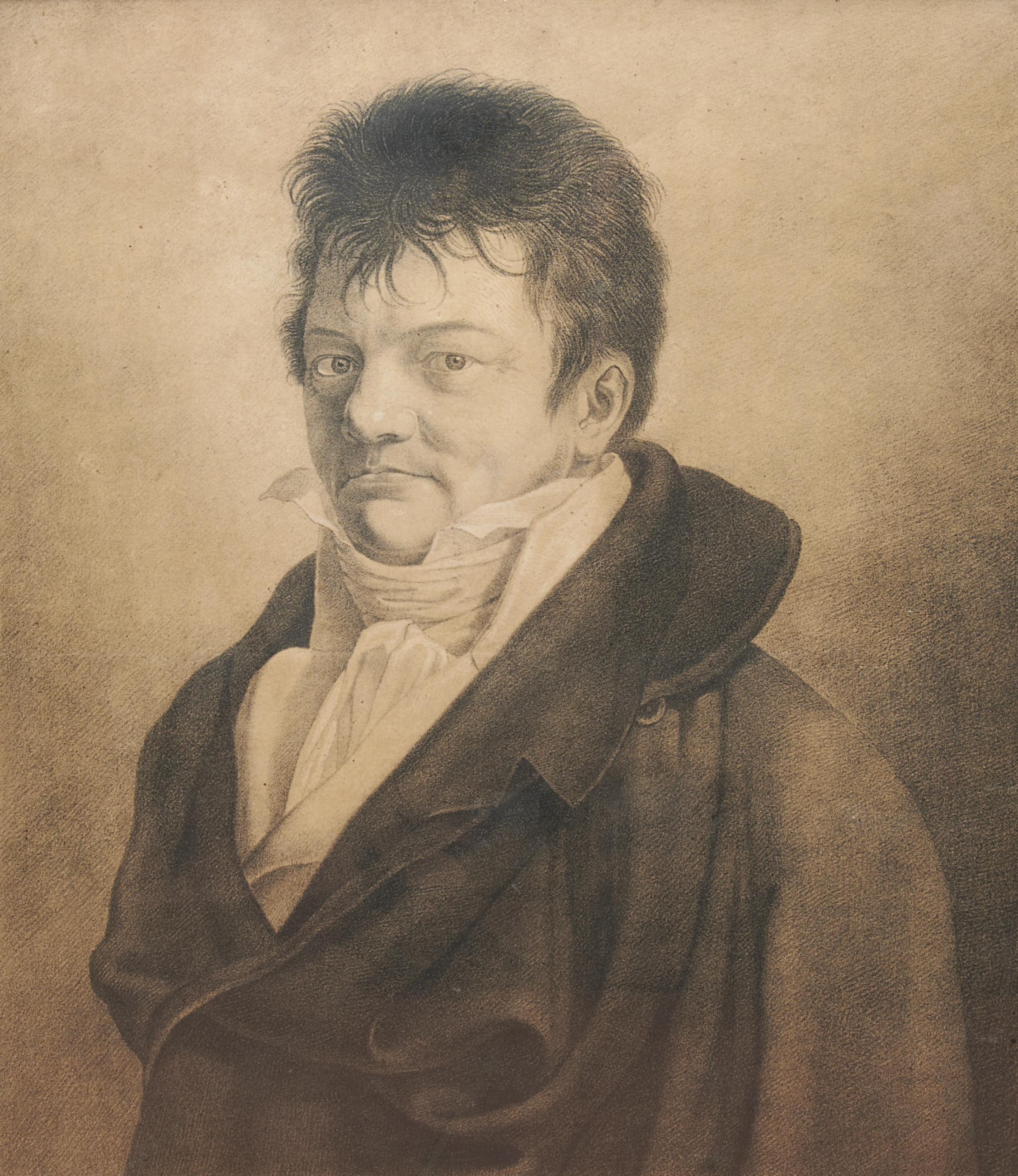
August von Kotzebue
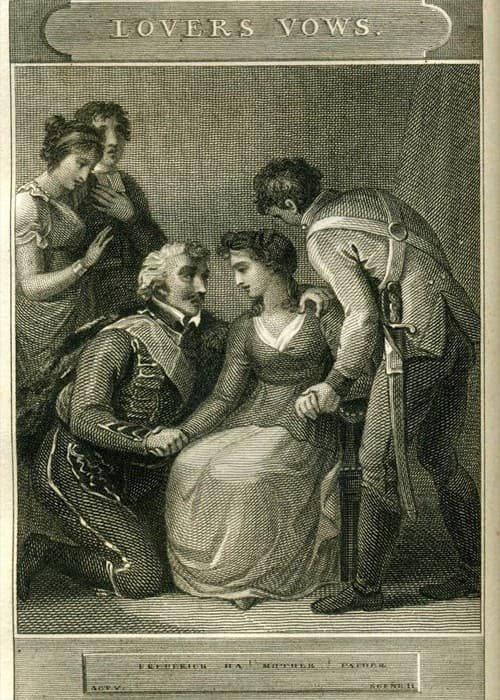
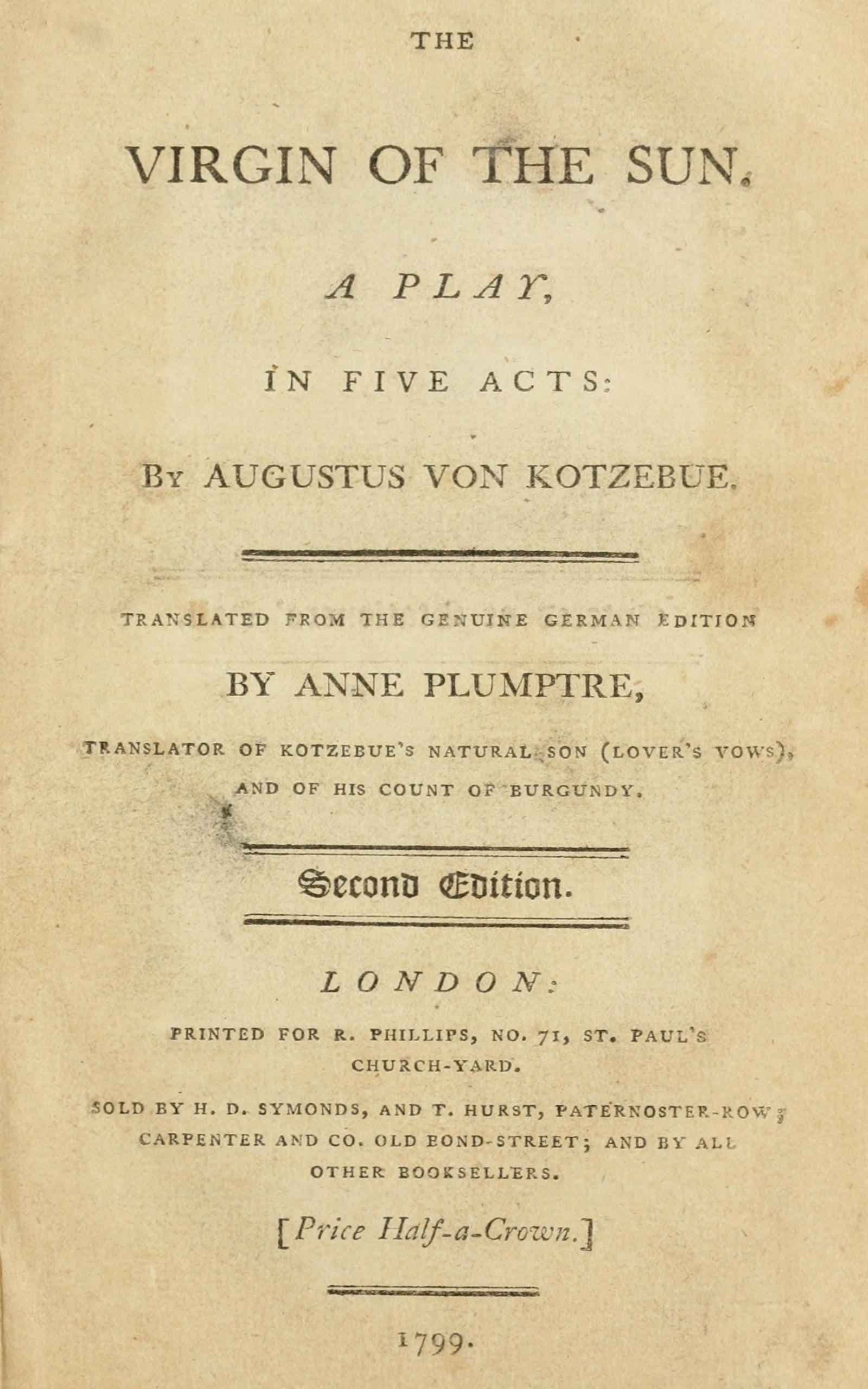
August von Kotzebue was a prominent German playwright and diplomat whose works significantly influenced the theatrical landscape of his time. He was known for his prolific output, writing over 200 plays that often explored themes of love, politics, and social issues. His most notable works include 'The Stranger' and 'The Robbers,' which were characterized by their melodramatic style and accessible narratives, appealing to a broad audience. Kotzebue's plays were among the first to incorporate elements of realism and sentimentality, paving the way for future developments in German theatre. Despite his literary success, Kotzebue's life was marked by controversy and political turmoil. His liberal ideas and connections to the Burschenschaften, a student organization advocating for German unity and democracy, placed him at odds with conservative forces in Europe. His assassination in 1819 by Karl Ludwig Sand, a radical student, was a pivotal moment that triggered the Carlsbad Decrees, which aimed to suppress liberal movements and restrict freedoms in the German Confederation. Kotzebue's legacy is complex; while he was a celebrated playwright, his life and death underscored the tensions between artistic expression and political repression in early 19th-century Europe.
Books from the author




Link to this page
Add a free, dofollow link to Lex on your blog, forum, syllabus, or reading list.

<a href="https://lex-books.com/author/august-von-kotzebue"><img src="https://lex-books.com/badges/read-on-lex.svg" alt="August von Kotzebue on Lex" width="160" height="40"></a>[](https://lex-books.com/author/august-von-kotzebue)[url=https://lex-books.com/author/august-von-kotzebue][img]https://lex-books.com/badges/read-on-lex.svg[/img][/url]August von Kotzebue on Lex: https://lex-books.com/author/august-von-kotzebue