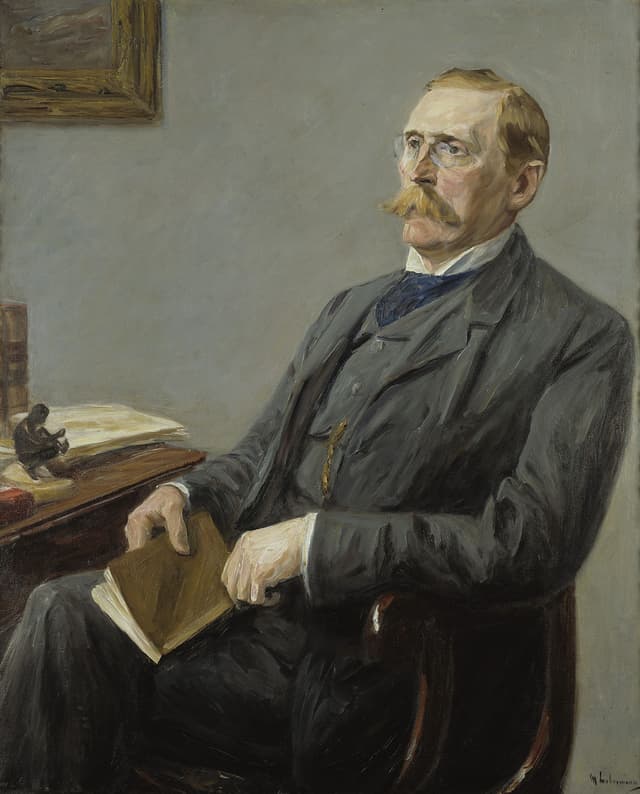
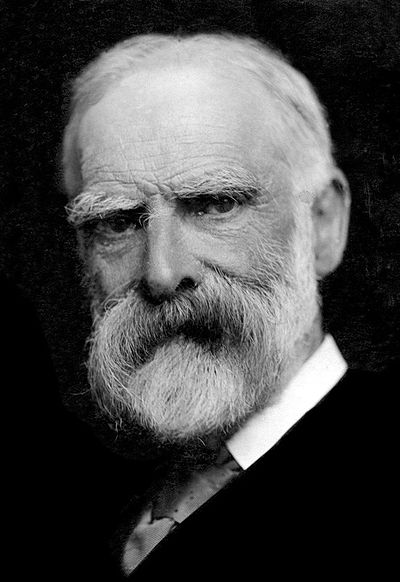
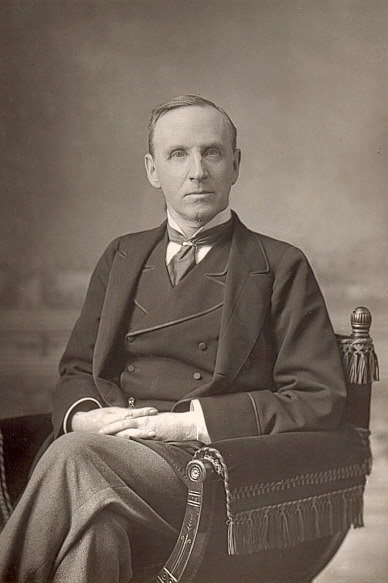
Wilhelm von Bode
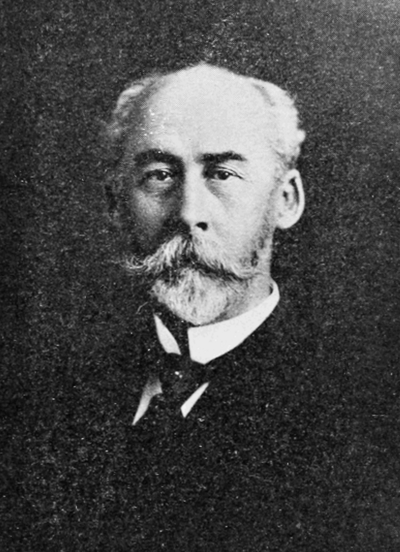
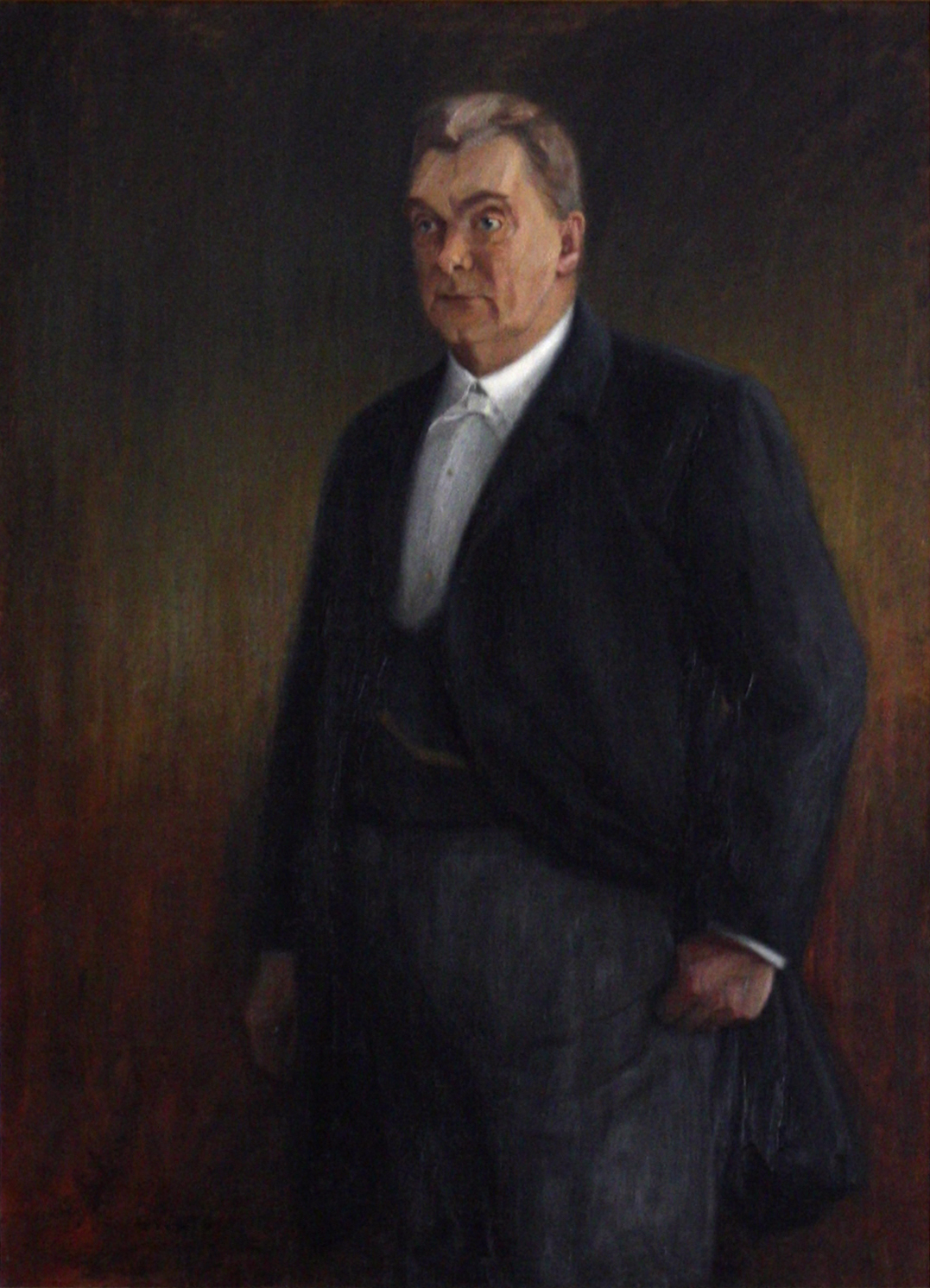
Wilhelm von Bode was a prominent German art historian and museum curator, renowned for his significant contributions to the study and appreciation of art. Born Arnold Wilhelm Bode in Calvörde, he became a pivotal figure in the art world, particularly known for his role as the creator and first curator of the Kaiser Friedrich Museum, now the Bode Museum, established in 1904. His expertise and passion for art were evident in his extensive writings, which included authoritative studies on the Italian Renaissance and the Dutch and Flemish Baroque, solidifying his reputation as a leading scholar in these fields. Bode's work not only enriched the academic landscape of art history but also played a crucial role in shaping public collections and exhibitions. His ennoblement in 1913 marked a recognition of his contributions to the arts, and he adopted the aristocratic 'von' in his name. Through his curatorial efforts and scholarly publications, Bode left a lasting legacy that influenced future generations of art historians and curators, ensuring that the masterpieces of the past continued to be celebrated and studied in the present.
Books from the author


Link to this page
Add a free, dofollow link to Lex on your blog, forum, syllabus, or reading list.

<a href="https://lex-books.com/author/wilhelm-von-bode"><img src="https://lex-books.com/badges/read-on-lex.svg" alt="Wilhelm von Bode on Lex" width="160" height="40"></a>[](https://lex-books.com/author/wilhelm-von-bode)[url=https://lex-books.com/author/wilhelm-von-bode][img]https://lex-books.com/badges/read-on-lex.svg[/img][/url]Wilhelm von Bode on Lex: https://lex-books.com/author/wilhelm-von-bode