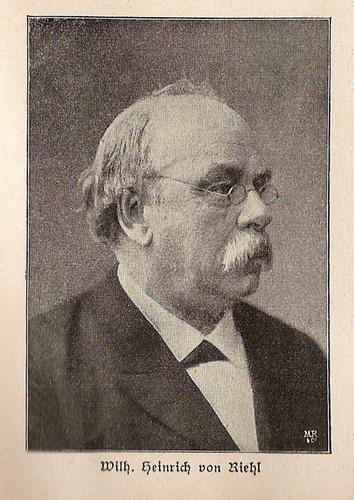
Wilhelm Heinrich Riehl
Wilhelm Heinrich Riehl was a prominent German professor, journalist, novelist, and folklorist whose work significantly contributed to the understanding of German culture and society in the 19th century. Born in 1823, Riehl's early career was marked by his deep interest in the folk traditions and social structures of Germany, which he explored through both academic and literary lenses. His writings often reflected a blend of romanticism and realism, capturing the essence of the German spirit and its rural landscapes. Among his notable works, 'Die Naturgeschichte des Volkes' stands out as a pioneering examination of the relationship between the environment and the development of national character. Riehl's essays and novels, including 'Die Bürgerliche Gesellschaft' and 'Die Familie,' delved into the complexities of social life and the evolving dynamics of family and community. His literary significance lies not only in his exploration of folklore but also in his role as a cultural critic, influencing contemporary thought on nationalism and identity. Riehl's legacy endures as a foundational figure in the study of German folklore and social commentary, leaving an indelible mark on the literary and cultural landscape of his time.
Books from the author






Link to this page
Add a free, dofollow link to Lex on your blog, forum, syllabus, or reading list.

<a href="https://lex-books.com/author/wilhelm-heinrich-riehl"><img src="https://lex-books.com/badges/read-on-lex.svg" alt="Wilhelm Heinrich Riehl on Lex" width="160" height="40"></a>[](https://lex-books.com/author/wilhelm-heinrich-riehl)[url=https://lex-books.com/author/wilhelm-heinrich-riehl][img]https://lex-books.com/badges/read-on-lex.svg[/img][/url]Wilhelm Heinrich Riehl on Lex: https://lex-books.com/author/wilhelm-heinrich-riehl