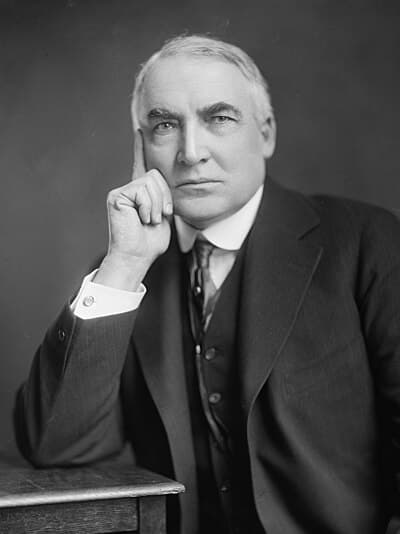
Warren G. Harding
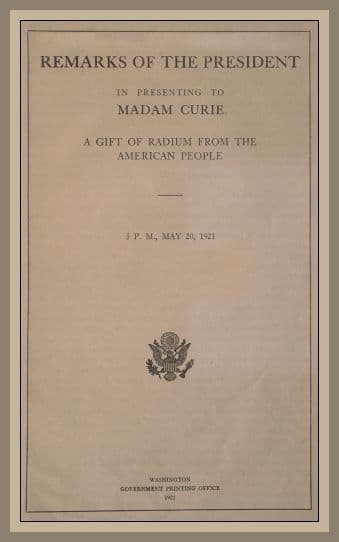
Warren G. Harding was the 29th President of the United States, serving from 1921 until his untimely death in 1923. Born in Ohio, Harding began his career as a newspaper publisher before entering politics, where he gained a reputation for his charm and affability. His presidency is often remembered for its focus on a return to normalcy following World War I, advocating for economic growth and a reduction in government intervention. Harding's administration, however, was marred by scandals, most notably the Teapot Dome scandal, which overshadowed his efforts and legacy. Among his notable works are his 'State of the Union Addresses,' where he articulated his vision for America, emphasizing themes of prosperity and national unity. His speeches, including 'Remarks of the President in Presenting to Madam Curie a Gift of Radium,' reflect his engagement with contemporary issues and his attempts to project a positive image of his administration. Despite the controversies surrounding his presidency, Harding's writings provide insight into the political climate of the early 20th century and the challenges faced by the nation during a transformative period in American history.
Famous Quotes
View all 6 quotes“I have no trouble with my enemies. I can take care of my enemies in a fight. But my friends, my goddamned friends, they're the ones who keep me walking the floor at nights! ””
“I am not fit for this office and never should have been here.””
“First and foremost, find out what it is you’re about, and be that. Be what you are, and don’t lose it. . . . It’s very hard to be who we are, because it doesn’t seem to be what anyone wants.” But, of course, as Lear has demonstrated, it’s the only way to truly fly.””
Books from the author


Link to this page
Add a free, dofollow link to Lex on your blog, forum, syllabus, or reading list.

<a href="https://lex-books.com/author/warren-g-harding-2"><img src="https://lex-books.com/badges/read-on-lex.svg" alt="Warren G. Harding on Lex" width="160" height="40"></a>[](https://lex-books.com/author/warren-g-harding-2)[url=https://lex-books.com/author/warren-g-harding-2][img]https://lex-books.com/badges/read-on-lex.svg[/img][/url]Warren G. Harding on Lex: https://lex-books.com/author/warren-g-harding-2