
Ward McAllister
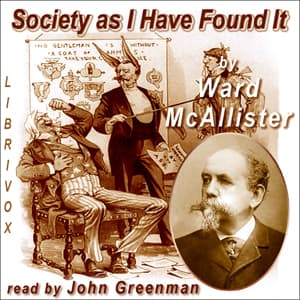
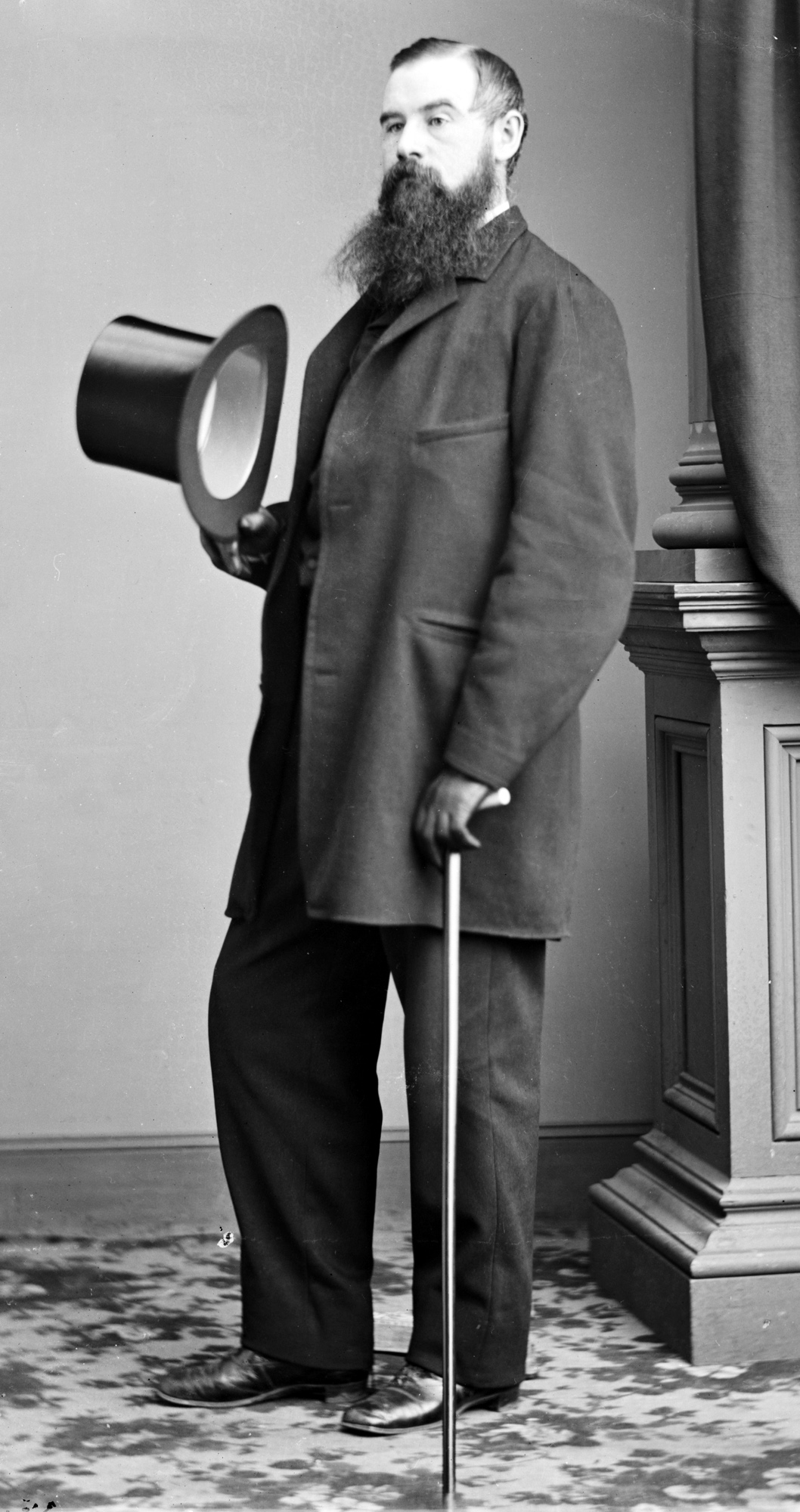
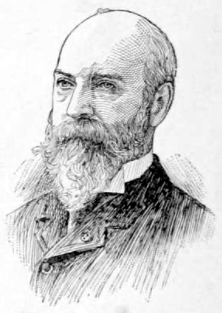
Samuel Ward McAllister was a prominent figure in the social landscape of Gilded Age America, recognized as the preeminent arbiter of social taste in New York City. He gained notoriety for his influential list known as 'The Four Hundred,' which categorized the elite families of New York society, effectively defining the social hierarchy of the time. McAllister's judgments on social standing were often contentious, as many families sought inclusion in his esteemed circle, leading to accusations of self-aggrandizement and elitism. His role as a social critic and commentator reflected the values and aspirations of an era marked by wealth and ambition. In addition to his social listings, McAllister was an active participant in the cultural life of his time, engaging in various social events and contributing to the discourse surrounding high society. His writings and opinions shaped perceptions of social status and class, making him a significant figure in the cultural history of late 19th-century America. Despite the controversies surrounding his lists, McAllister's legacy endures as a symbol of the complexities of social stratification during the Gilded Age, illustrating the interplay between wealth, power, and social identity in a rapidly changing society.
Audiobooks from the author

Link to this page
Add a free, dofollow link to Lex on your blog, forum, syllabus, or reading list.

<a href="https://lex-books.com/author/ward-mcallister"><img src="https://lex-books.com/badges/read-on-lex.svg" alt="Ward McAllister on Lex" width="160" height="40"></a>[](https://lex-books.com/author/ward-mcallister)[url=https://lex-books.com/author/ward-mcallister][img]https://lex-books.com/badges/read-on-lex.svg[/img][/url]Ward McAllister on Lex: https://lex-books.com/author/ward-mcallister