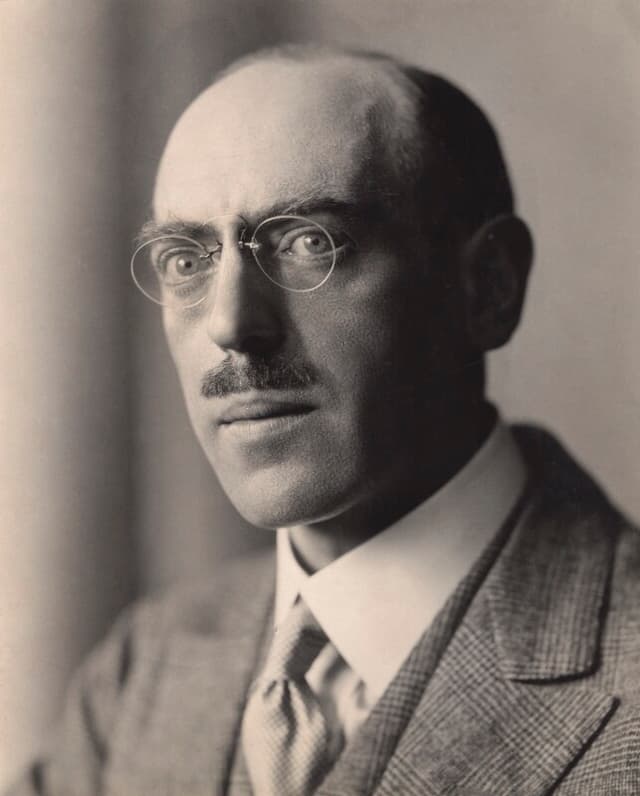
Walter Lionel George
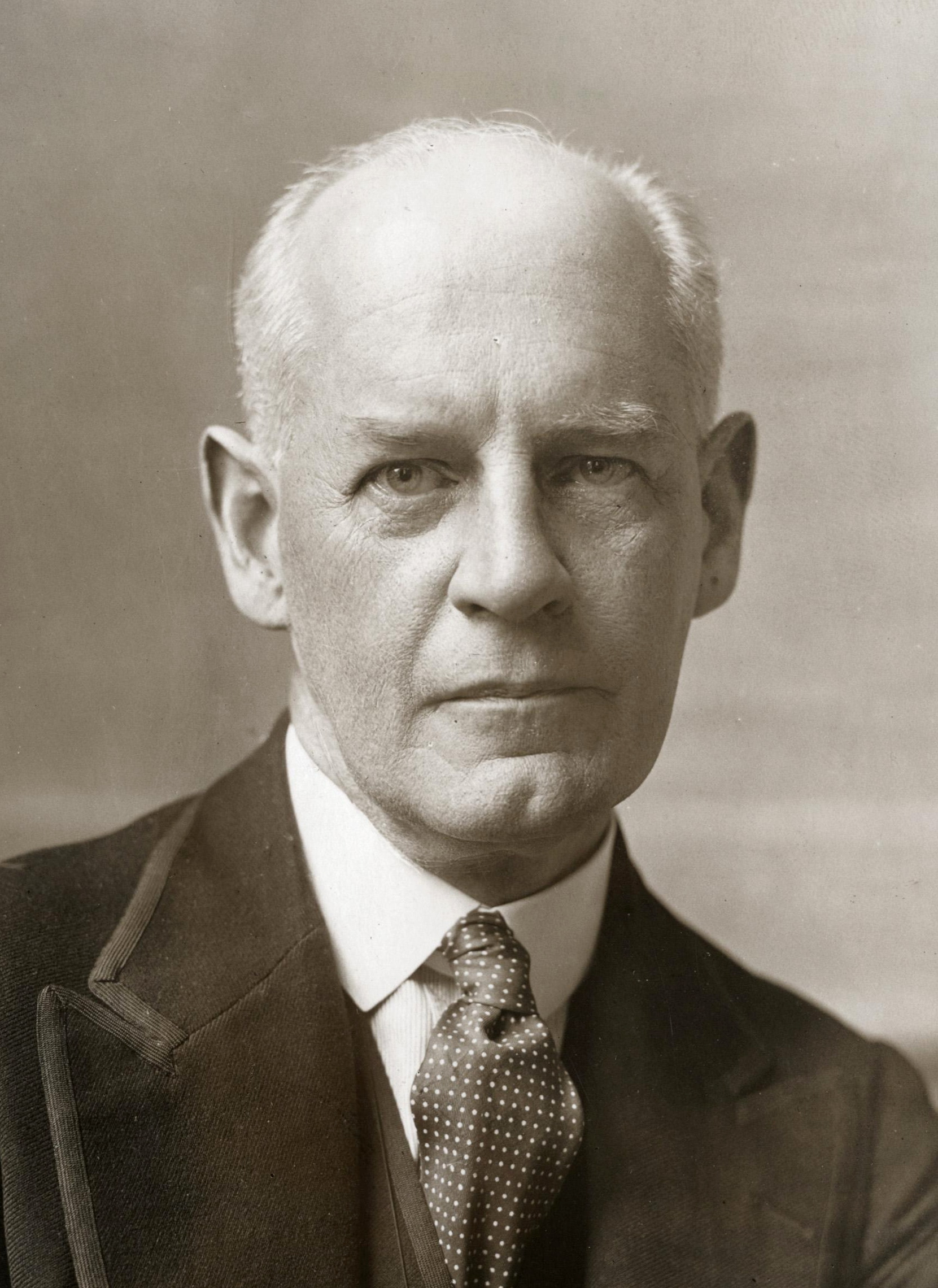
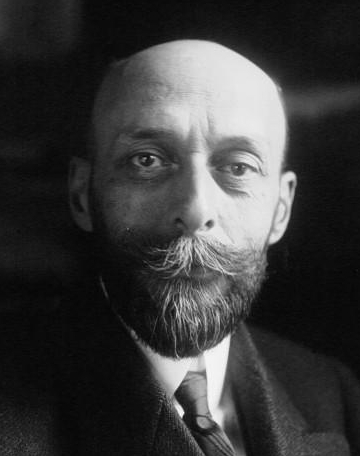
Walter Lionel George was an English writer renowned for his contributions to popular fiction during the early 20th century. Born in Paris to English parents, he grew up in a culturally rich environment that influenced his literary pursuits. George's works often explored themes of feminism, pacifism, and labor rights, reflecting the social issues of his time. His notable novels, such as 'The House of the Arrow' and 'The Man Who Knew Too Much,' showcased his ability to weave complex narratives that challenged societal norms and advocated for social justice. George's literary significance lies in his commitment to addressing controversial topics through engaging storytelling. His feminist perspectives were particularly groundbreaking for his era, as he highlighted the struggles and aspirations of women in a patriarchal society. Despite his relatively short life, George's writings left a lasting impact on the literary landscape, influencing future generations of writers who sought to address social issues through fiction. His legacy endures as a testament to the power of literature as a vehicle for change and reflection on the human condition.
Famous Quotes
View all 1 quotes“Wars teach us not to love our enemies, but to hate our allies.”
Books from the author

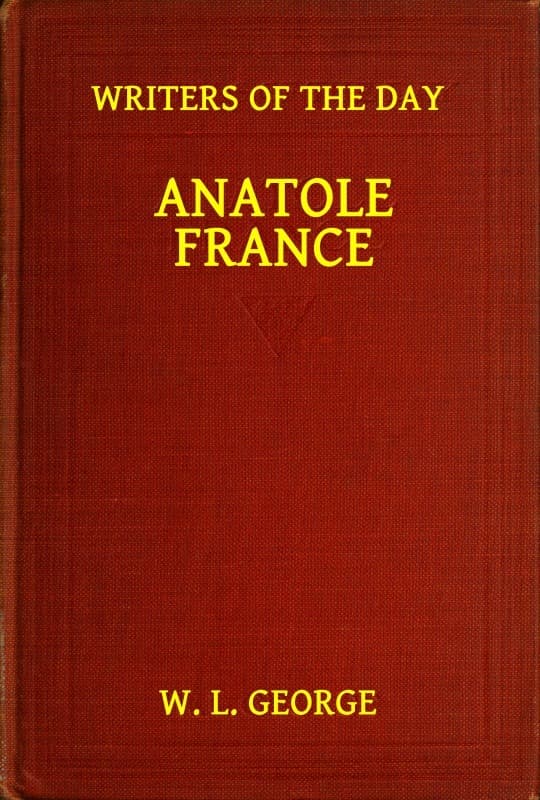


Link to this page
Add a free, dofollow link to Lex on your blog, forum, syllabus, or reading list.

<a href="https://lex-books.com/author/walter-lionel-george"><img src="https://lex-books.com/badges/read-on-lex.svg" alt="Walter Lionel George on Lex" width="160" height="40"></a>[](https://lex-books.com/author/walter-lionel-george)[url=https://lex-books.com/author/walter-lionel-george][img]https://lex-books.com/badges/read-on-lex.svg[/img][/url]Walter Lionel George on Lex: https://lex-books.com/author/walter-lionel-george