W. Robinson
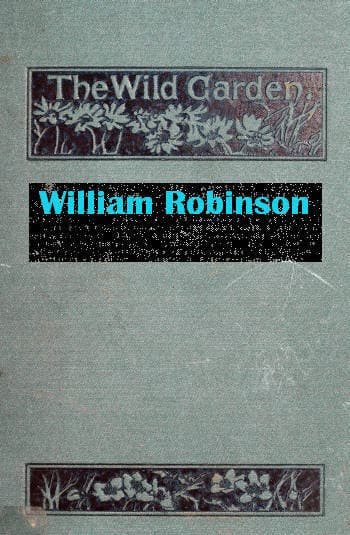
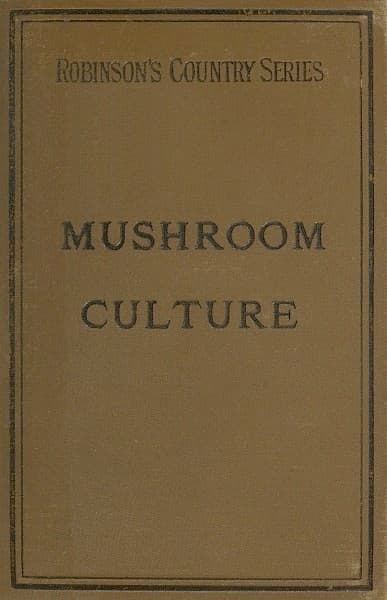
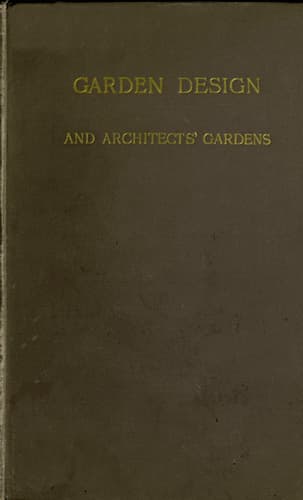
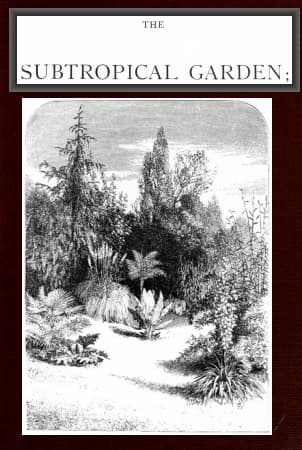
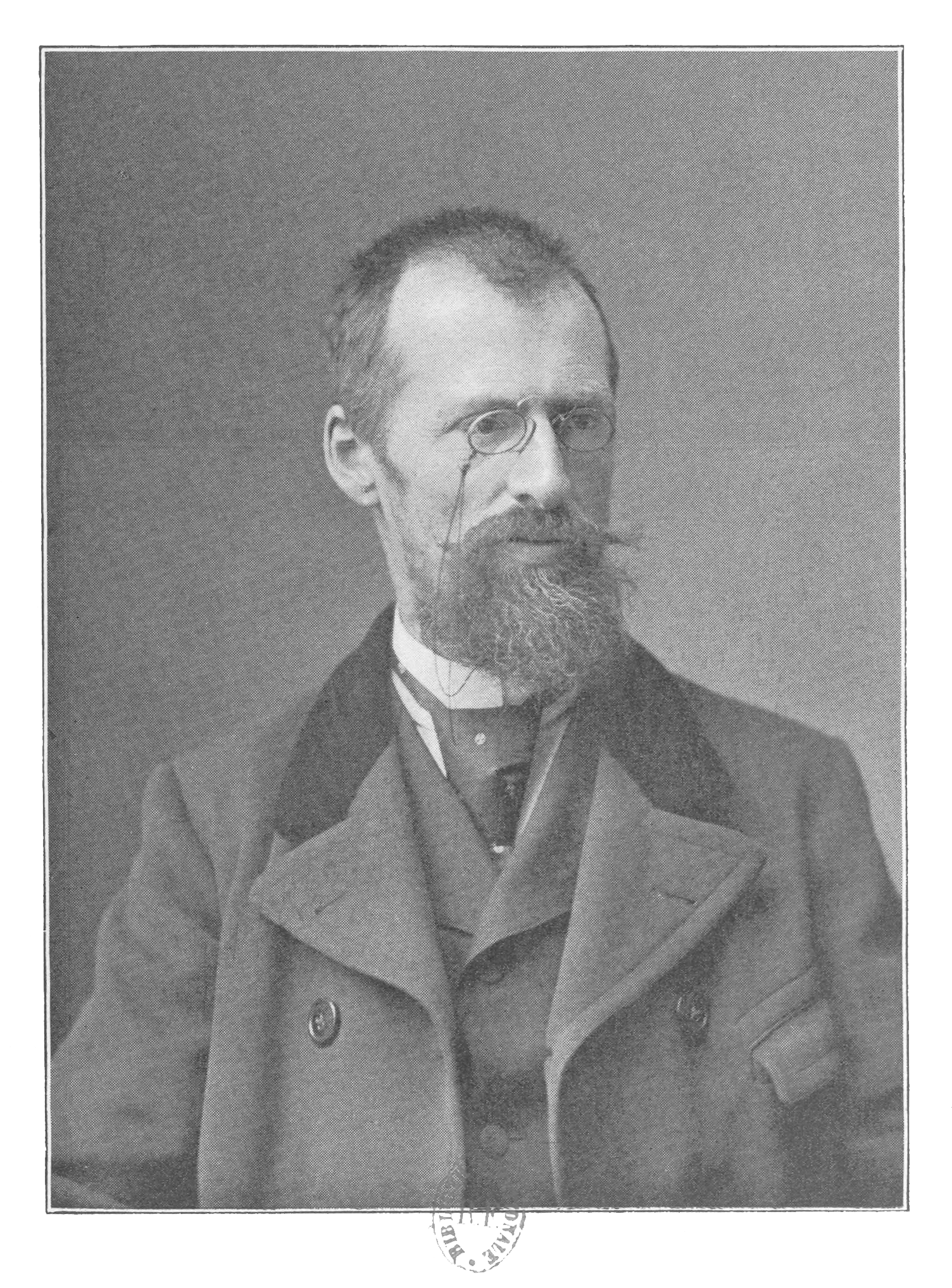
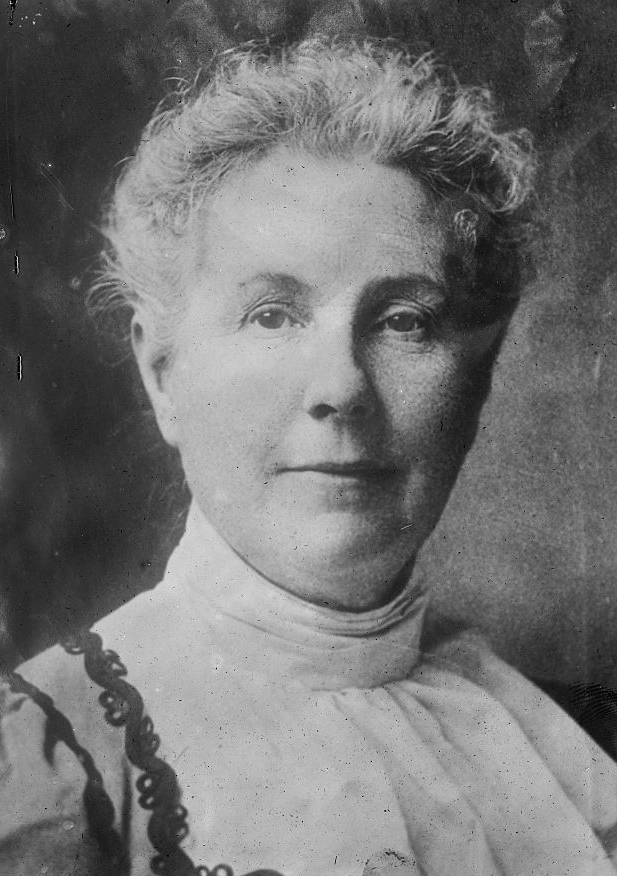
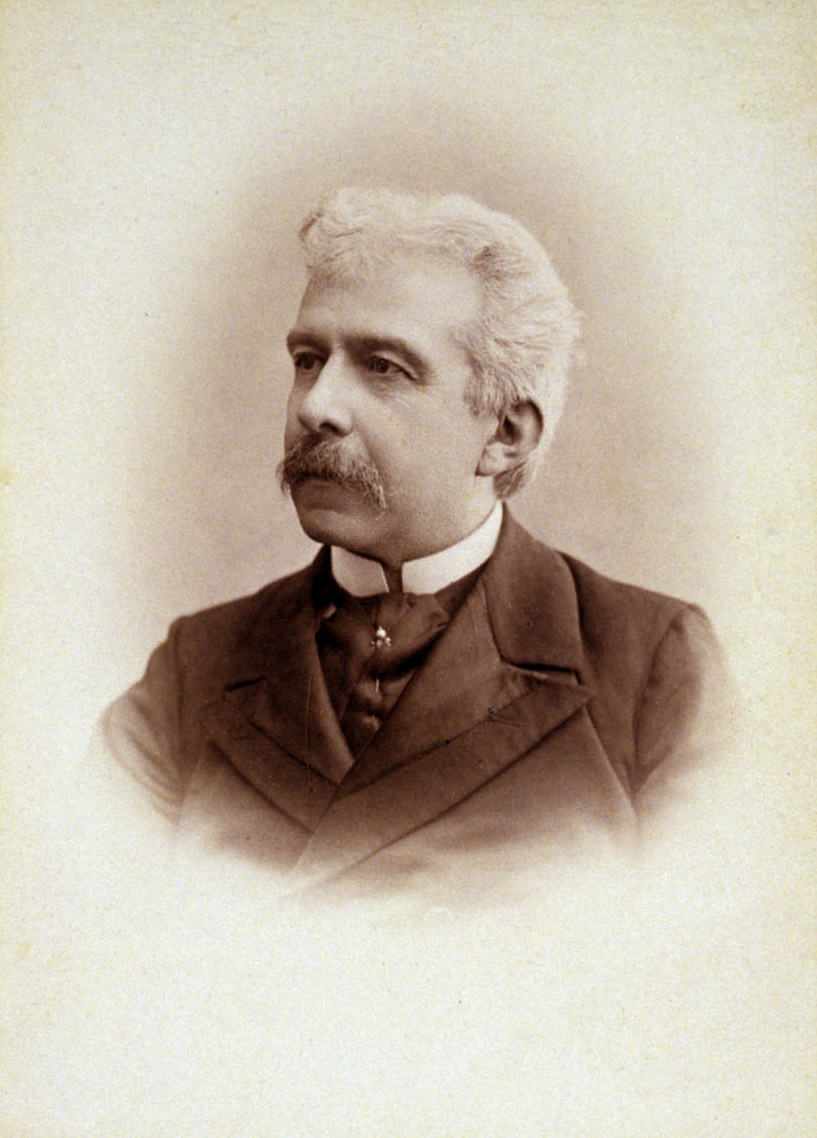
W. Robinson was a prominent figure in the late 19th and early 20th centuries, known for his innovative contributions to gardening and landscape design. He championed the naturalization of exotic plants in British gardens, advocating for a more organic and aesthetically pleasing approach to horticulture. His influential work, 'The Wild Garden: Or Our Groves and Gardens Made Beautiful by the Naturalisation of Hardy Exotic Plants,' argued for the integration of hardy exotic species into traditional gardens, marking a significant shift in gardening philosophy during his time. Robinson's ideas were revolutionary, promoting a departure from the rigid formalism that characterized Victorian gardens. In addition to 'The Wild Garden,' Robinson authored several other notable works, including 'Mushroom Culture: Its Extension and Improvement,' which explored the cultivation of mushrooms, and 'The Subtropical Garden; Or, Beauty of Form in the Flower Garden,' where he emphasized the aesthetic value of subtropical plants. His critical essays, such as 'Garden Design and Architects' Gardens,' challenged contemporary practices of aligning trees with architectural designs, arguing that such approaches were detrimental to the natural beauty of gardens. Robinson's legacy lies in his advocacy for a more harmonious relationship between nature and design, influencing generations of gardeners and landscape architects to embrace a more naturalistic style in their work.
Famous Quotes
View all 16 quotes“What worries you masters you””
“When you’re 100 percent certain, you’re too late.””
“Be clear! Be clear! Be clear!” Clarity does not come easily. When we train to be expositors, we probably spend three or four years in seminary. While that training prepares us to be theologians, it sometimes gets in our way as communicators. Theological jargon, abstract thinking, or scholars’ questions become part of the intellectual baggage that hinders preachers from speaking clearly to ordinary men and women.””
Books from the author


Link to this page
Add a free, dofollow link to Lex on your blog, forum, syllabus, or reading list.

<a href="https://lex-books.com/author/w-robinson"><img src="https://lex-books.com/badges/read-on-lex.svg" alt="W. Robinson on Lex" width="160" height="40"></a>[](https://lex-books.com/author/w-robinson)[url=https://lex-books.com/author/w-robinson][img]https://lex-books.com/badges/read-on-lex.svg[/img][/url]W. Robinson on Lex: https://lex-books.com/author/w-robinson