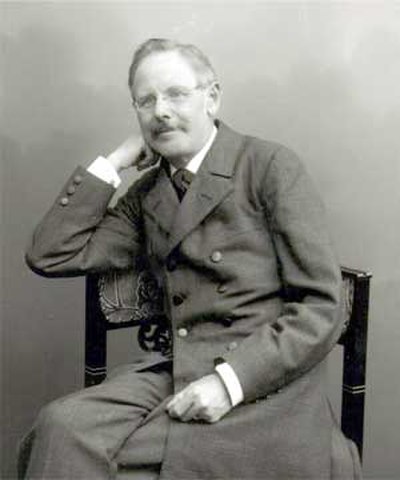
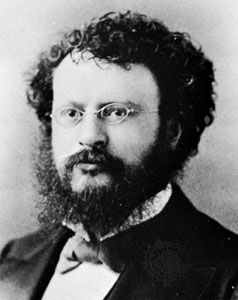
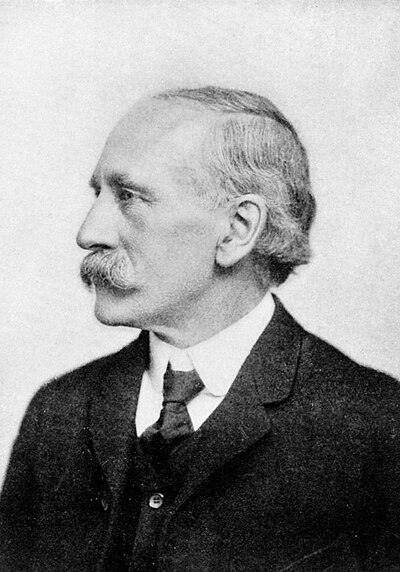
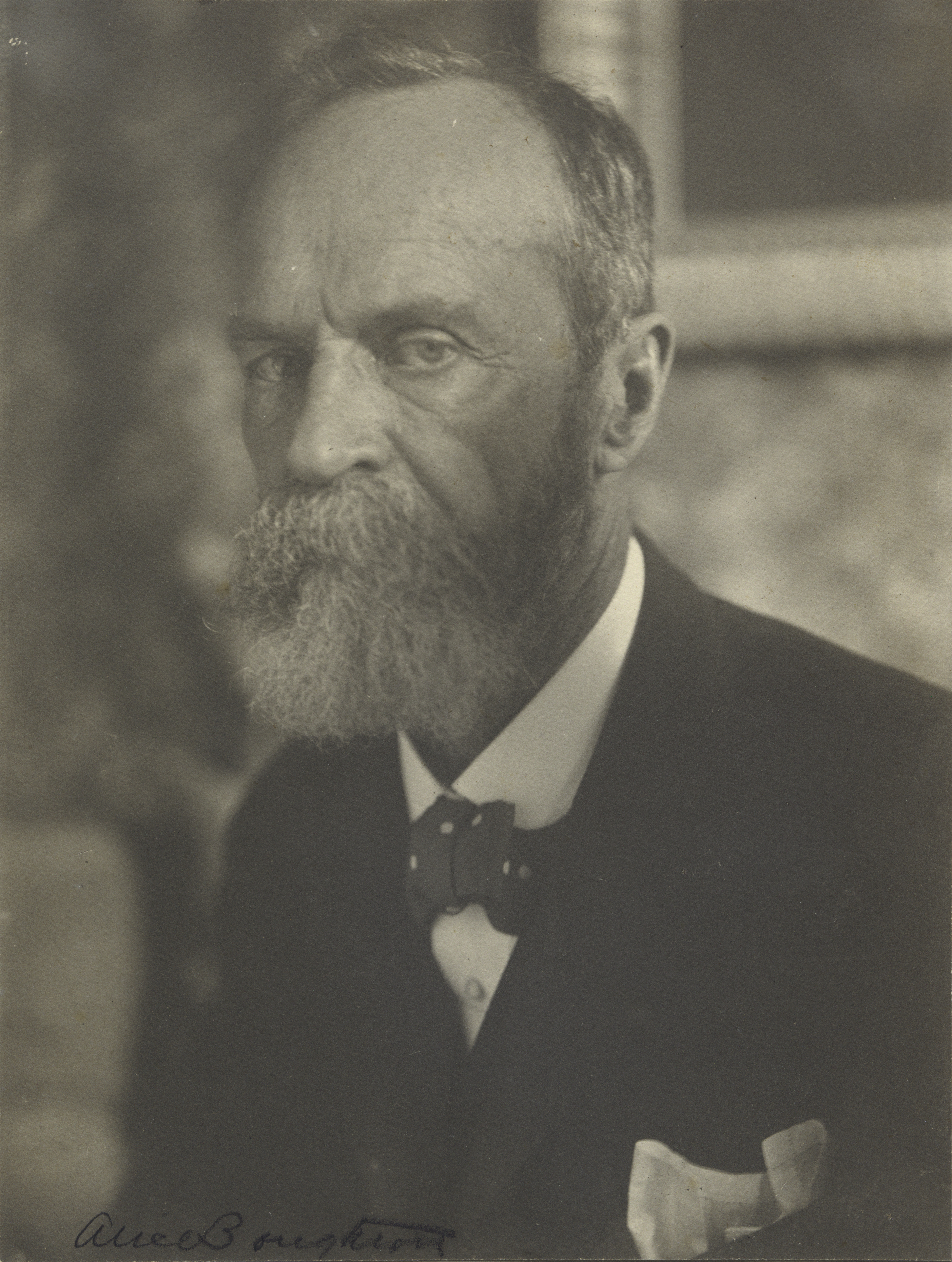
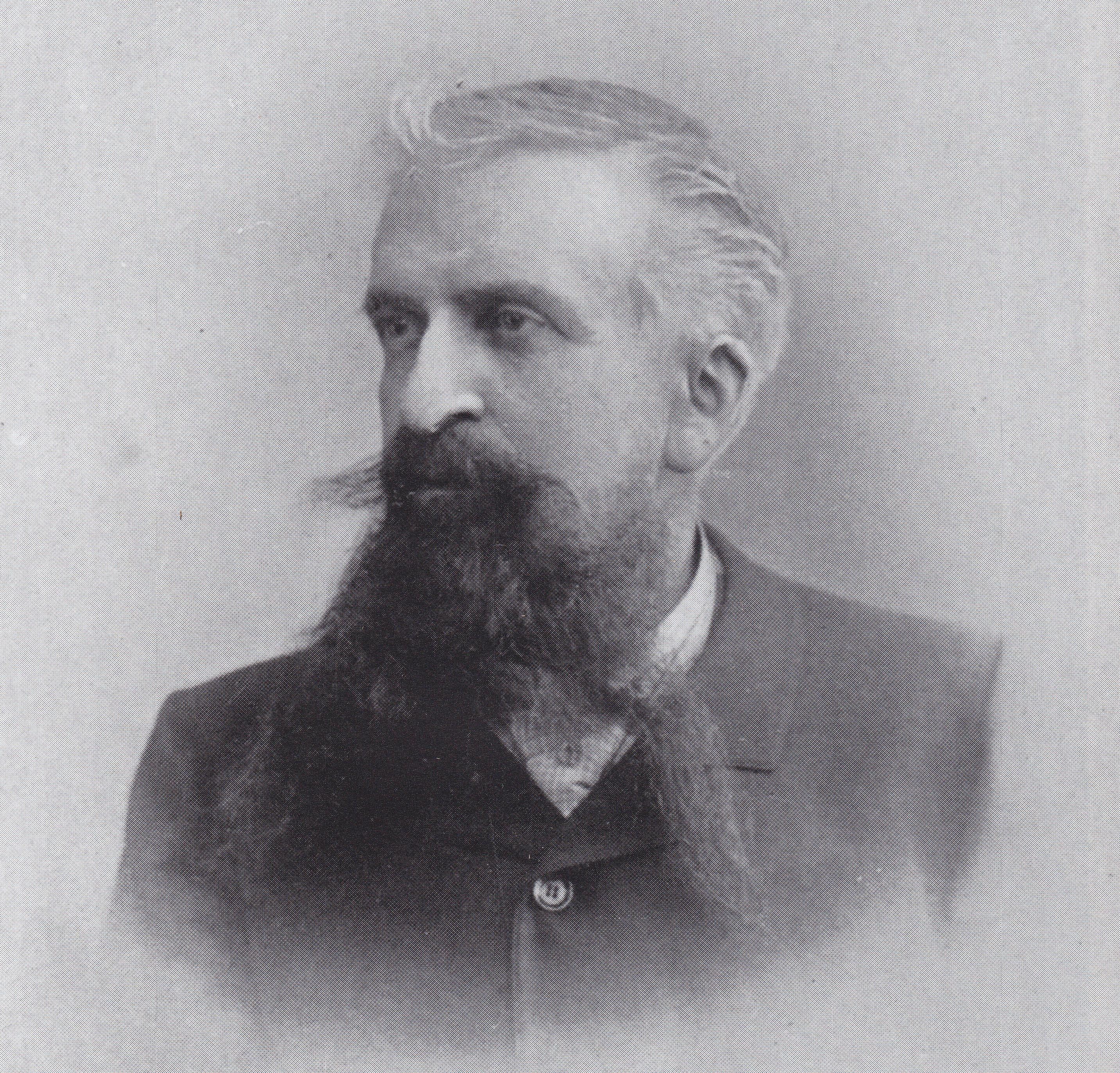
W. A. Clouston
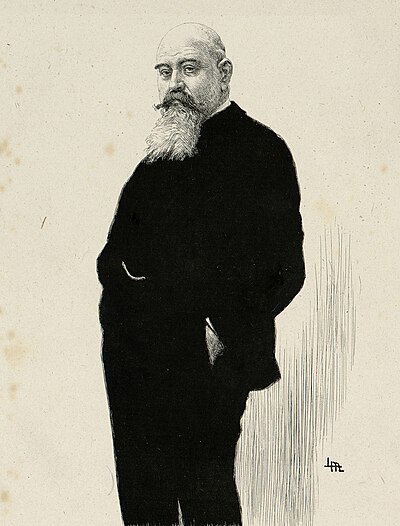
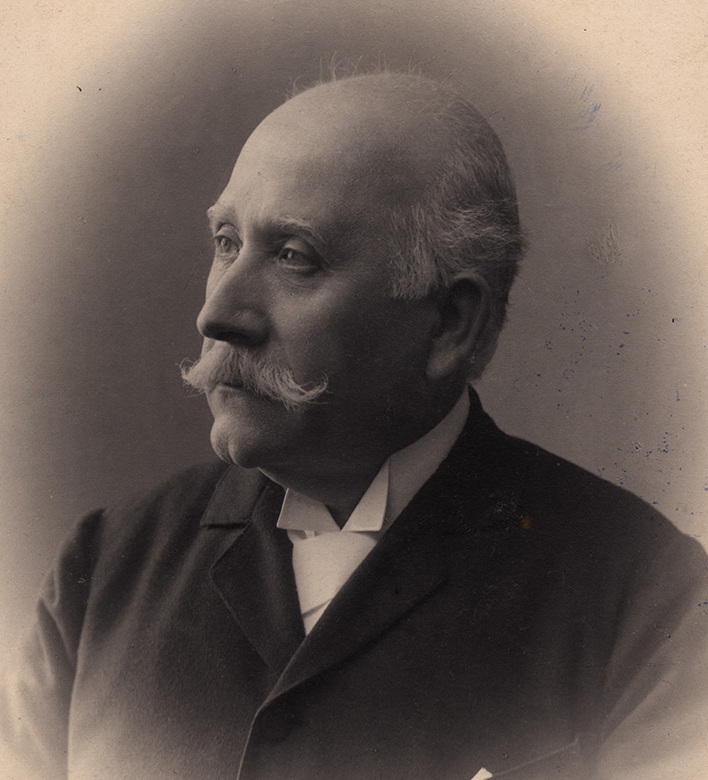
W. A. Clouston was a Scottish writer and folklorist, known for his collection of tales and aphorisms that often drew from Eastern sources. His most notable work, 'Book of Wise Sayings: Selected Largely from Eastern Sources,' reflects his fascination with the wisdom and wit found in various cultures, particularly those of the East. Clouston's ability to curate and present these sayings not only showcases his literary skill but also highlights the rich tapestry of global thought during the Victorian era. In addition to his collection of wise sayings, Clouston authored 'Flowers from a Persian Garden and Other Papers,' which further emphasizes his interest in Persian literature and culture. His work 'The Book of Noodles: Stories of Simpletons; Or, Fools and Their Follies' presents a series of humorous tales that explore the follies of human nature, drawing on a tradition of storytelling that resonates with both Eastern and Western audiences. Through his writings, Clouston contributed to the cross-cultural exchange of ideas and narratives, making him a significant figure in the realm of folklore and literary collections of his time.
Famous Quotes
View all 3 quotes“The angel grows up in divine knowledge, the brute, in savage ignorance, and the son of man stands hesitating between the two.””
“If your foot slip, you may recover your balance, but if your tongue slip, you cannot recall your words.””
“It is not enough to know; we must apply what we know. It is not enough to will; we must also act.””
Books from the author



Link to this page
Add a free, dofollow link to Lex on your blog, forum, syllabus, or reading list.

<a href="https://lex-books.com/author/w-a-clouston"><img src="https://lex-books.com/badges/read-on-lex.svg" alt="W. A. Clouston on Lex" width="160" height="40"></a>[](https://lex-books.com/author/w-a-clouston)[url=https://lex-books.com/author/w-a-clouston][img]https://lex-books.com/badges/read-on-lex.svg[/img][/url]W. A. Clouston on Lex: https://lex-books.com/author/w-a-clouston