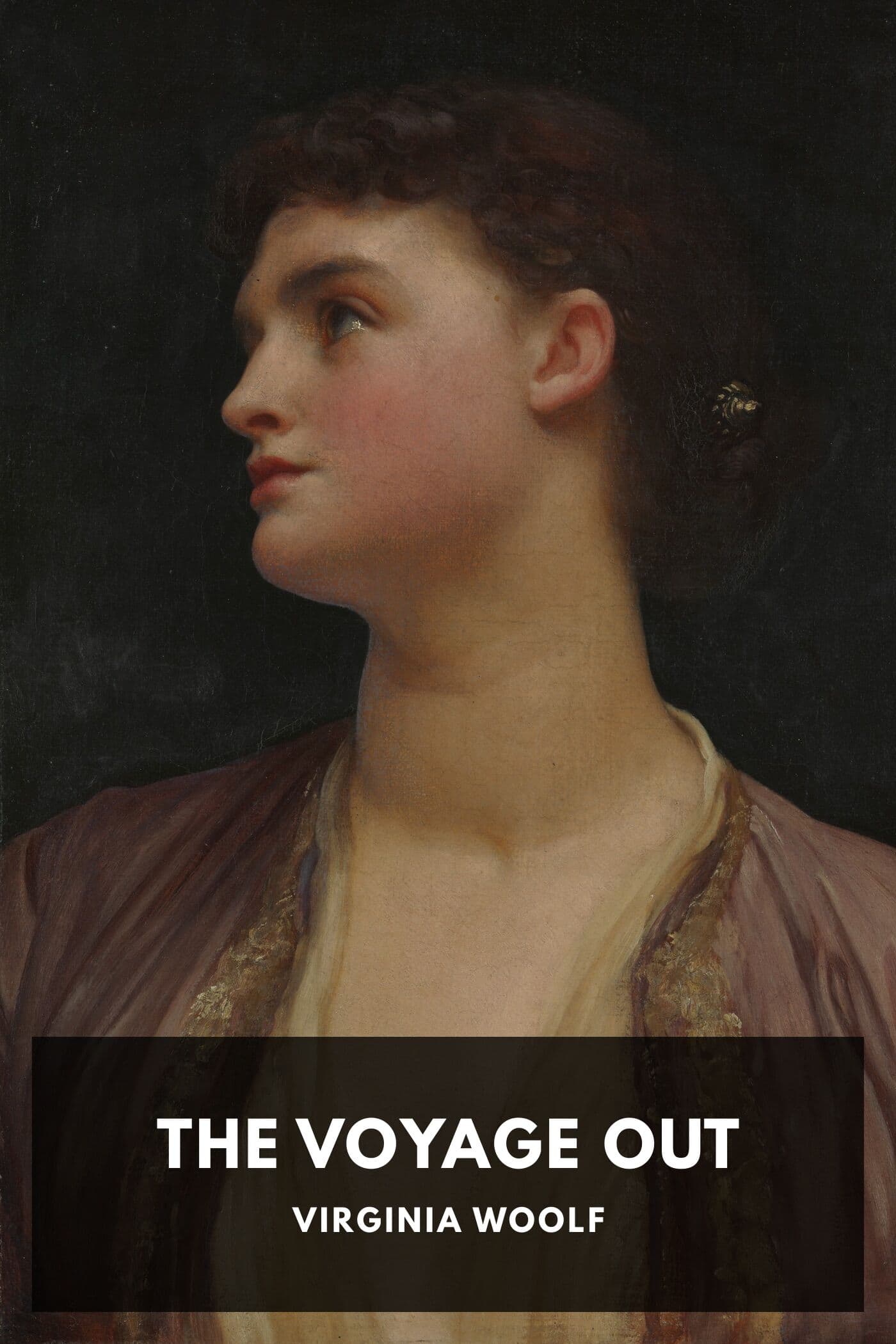
The Voyage Out
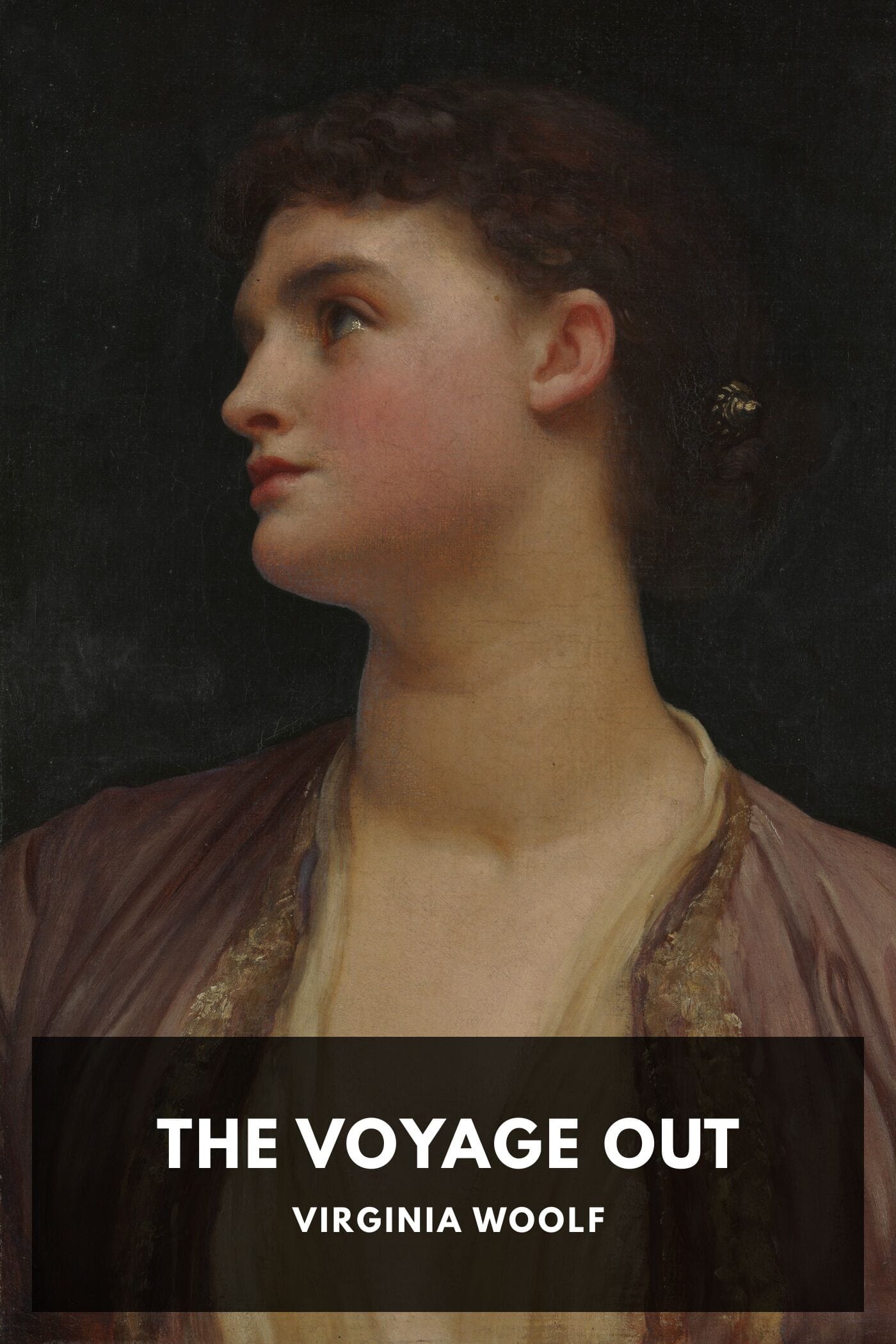
Twenty-four-year-old Rachel Vinrace, a sheltered young woman whose world has revolved around music, embarks on a transformative ocean voyage with her father. This literal journey takes her to a vibrant, unnamed South American country, where she spends a summer at her aunt's villa, immersed in a close-knit community of English expatriates. As Rachel navigates burgeoning friendships, intellectual debates, and the complexities of adult relationships, she begins a profound journey of self-discovery, grappling with her own desires, identity, and the conventions of her time. Woolf masterfully charts Rachel's awakening, capturing the subtle shifts in her understanding of herself and the world around her. Published in 1915, *The Voyage Out* is Virginia Woolf's debut novel, a remarkably ambitious work that foreshadows the stylistic innovations of her later masterpieces. While it underwent significant revisions to temper its more radical elements, the novel still pulses with the "reckless femininity" that both bewildered and fascinated contemporary critics. It's a foundational text for understanding Woolf's artistic evolution, showcasing her nascent stream-of-consciousness technique, her incisive psychological portraits, and her keen observations on gender and society. Notably, it also introduces readers to Clarissa Dalloway, offering a tantalizing glimpse into one of literature's most enduring characters.
Editions

Link to this book
Add a free, dofollow link to Lex on your blog, forum, syllabus, or reading list.

<a href="https://lex-books.com/book/the-voyage-out-caa389d8-87db-4a3d-80f4-bfe5264ecaf4"><img src="https://lex-books.com/badges/read-on-lex.svg" alt="Read The Voyage Out by Virginia Woolf free on Lex" width="160" height="40"></a>[](https://lex-books.com/book/the-voyage-out-caa389d8-87db-4a3d-80f4-bfe5264ecaf4)[url=https://lex-books.com/book/the-voyage-out-caa389d8-87db-4a3d-80f4-bfe5264ecaf4][img]https://lex-books.com/badges/read-on-lex.svg[/img][/url]Read The Voyage Out by Virginia Woolf free on Lex: https://lex-books.com/book/the-voyage-out-caa389d8-87db-4a3d-80f4-bfe5264ecaf4Cite this book
Reading this edition for a paper or guide? Copy a citation.
Woolf, Virginia. The Voyage Out. Lex, lex-books.com/book/the-voyage-out-caa389d8-87db-4a3d-80f4-bfe5264ecaf4.Woolf, V. (n.d.). The Voyage Out. Lex. https://lex-books.com/book/the-voyage-out-caa389d8-87db-4a3d-80f4-bfe5264ecaf4Woolf, Virginia. The Voyage Out. Lex. https://lex-books.com/book/the-voyage-out-caa389d8-87db-4a3d-80f4-bfe5264ecaf4.