The Common Reader
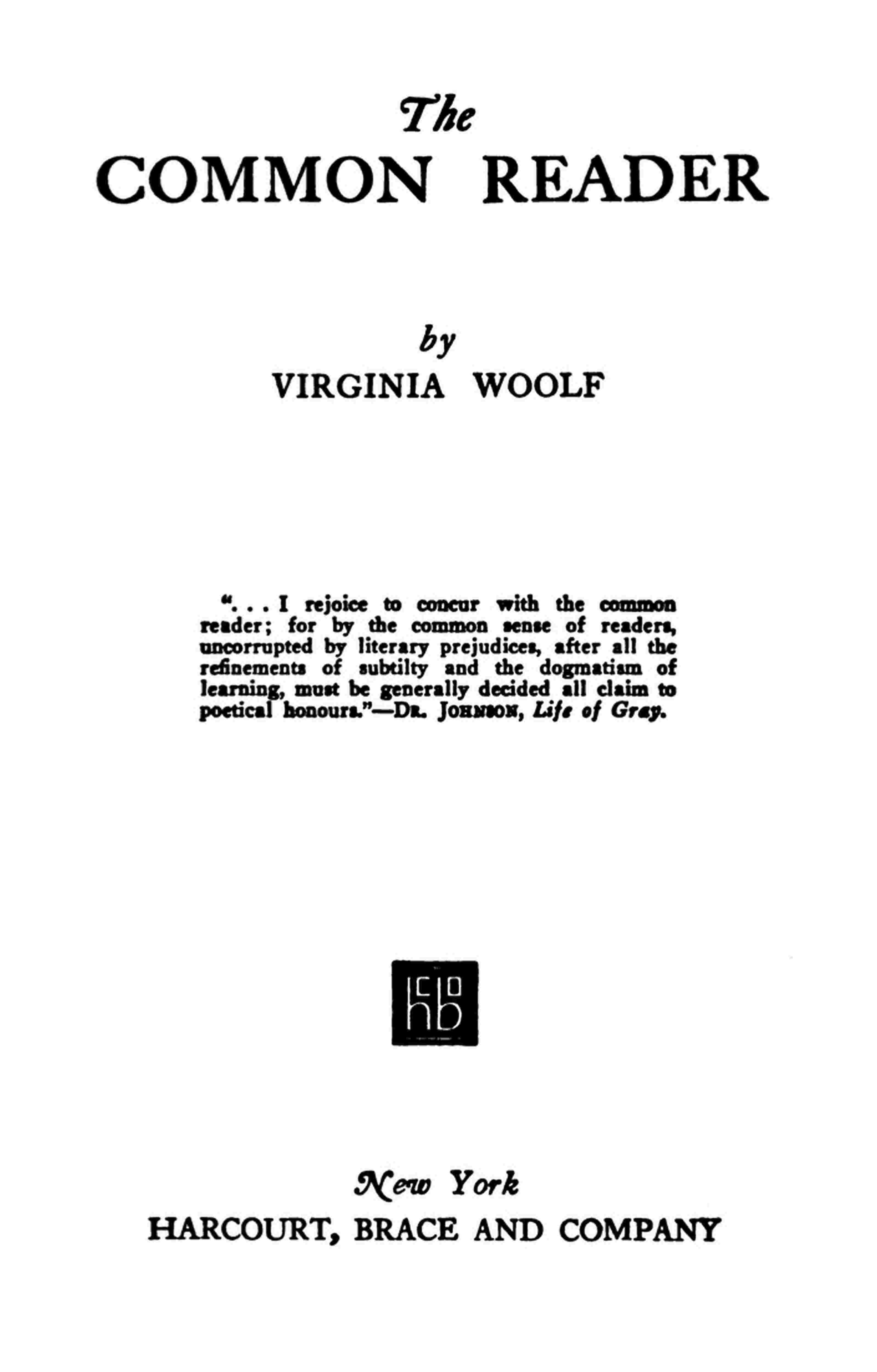
Virginia Woolf's 1925 essay collection is a passionate defense of the amateur reader against the gates of academic criticism. In an age when literary analysis belonged to scholars, Woolf argues that the common reader, who reads for pure pleasure and personal meaning, brings something indispensable to the conversation: intuition, enthusiasm, and the willingness to be changed by a book. The essays move from Chaucer to the Russian novelists, from Montaigne to Defoe, from Jane Austen to Joseph Conrad, each piece revealing Woolf at her most accessible and most radical. She celebrates not what we can prove about literature, but what it does to us when we surrender to it. This is Woolf's literary manifesto wrapped in elegant prose, a book that insists reading is not a chore to be analyzed but an experience to be inhabited. A century later, it remains the finest argument for trusting your own mind when you encounter a book you love.
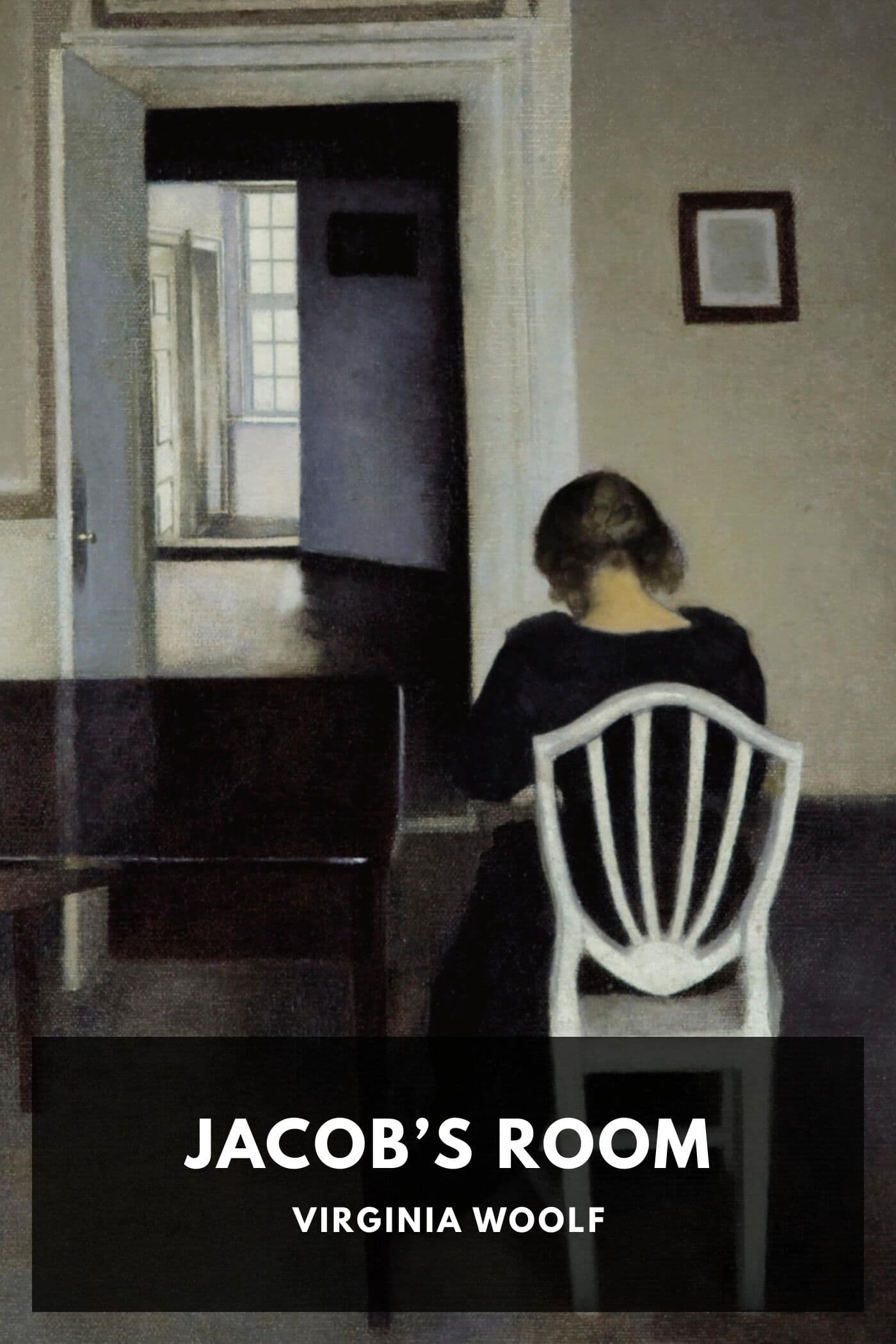
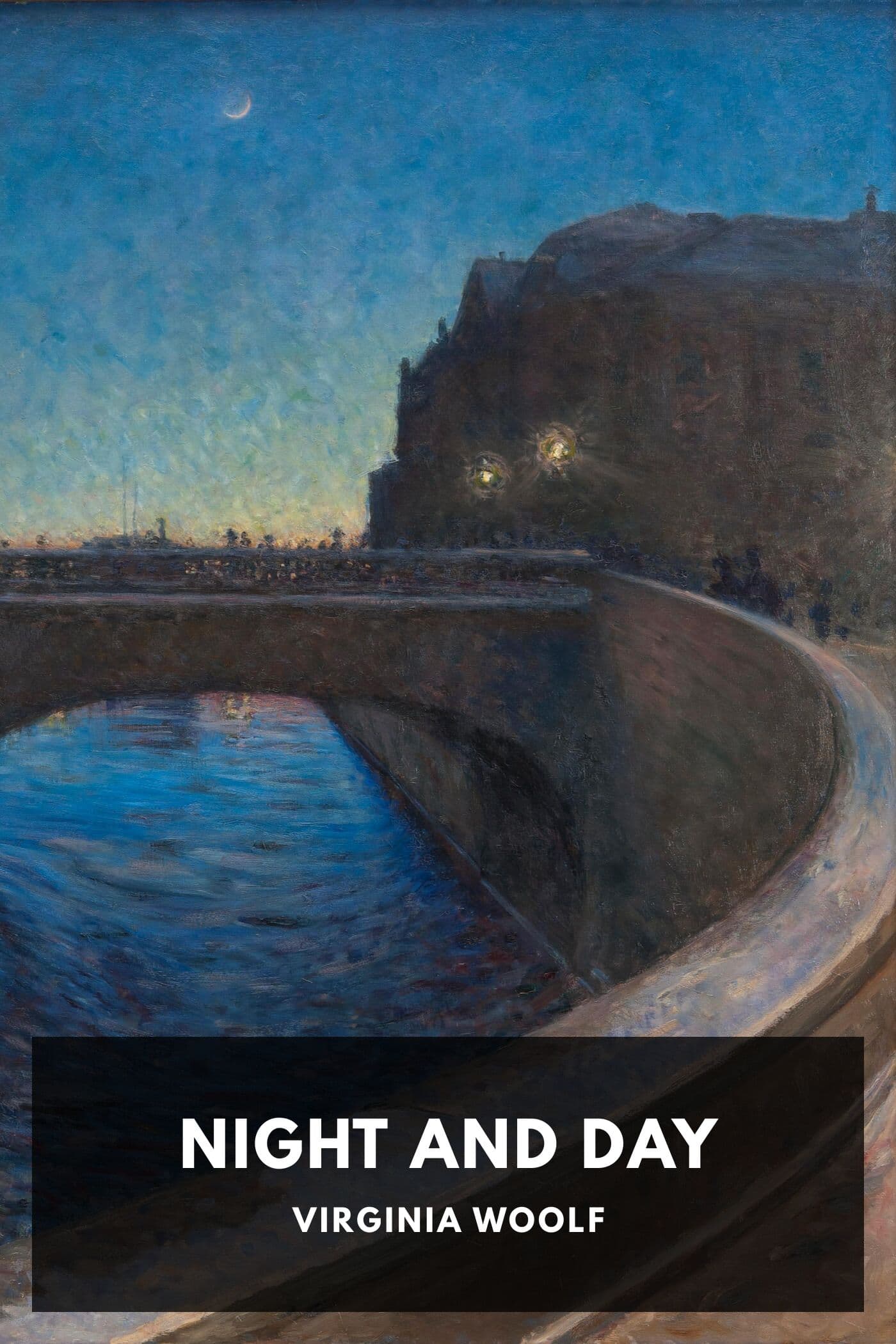
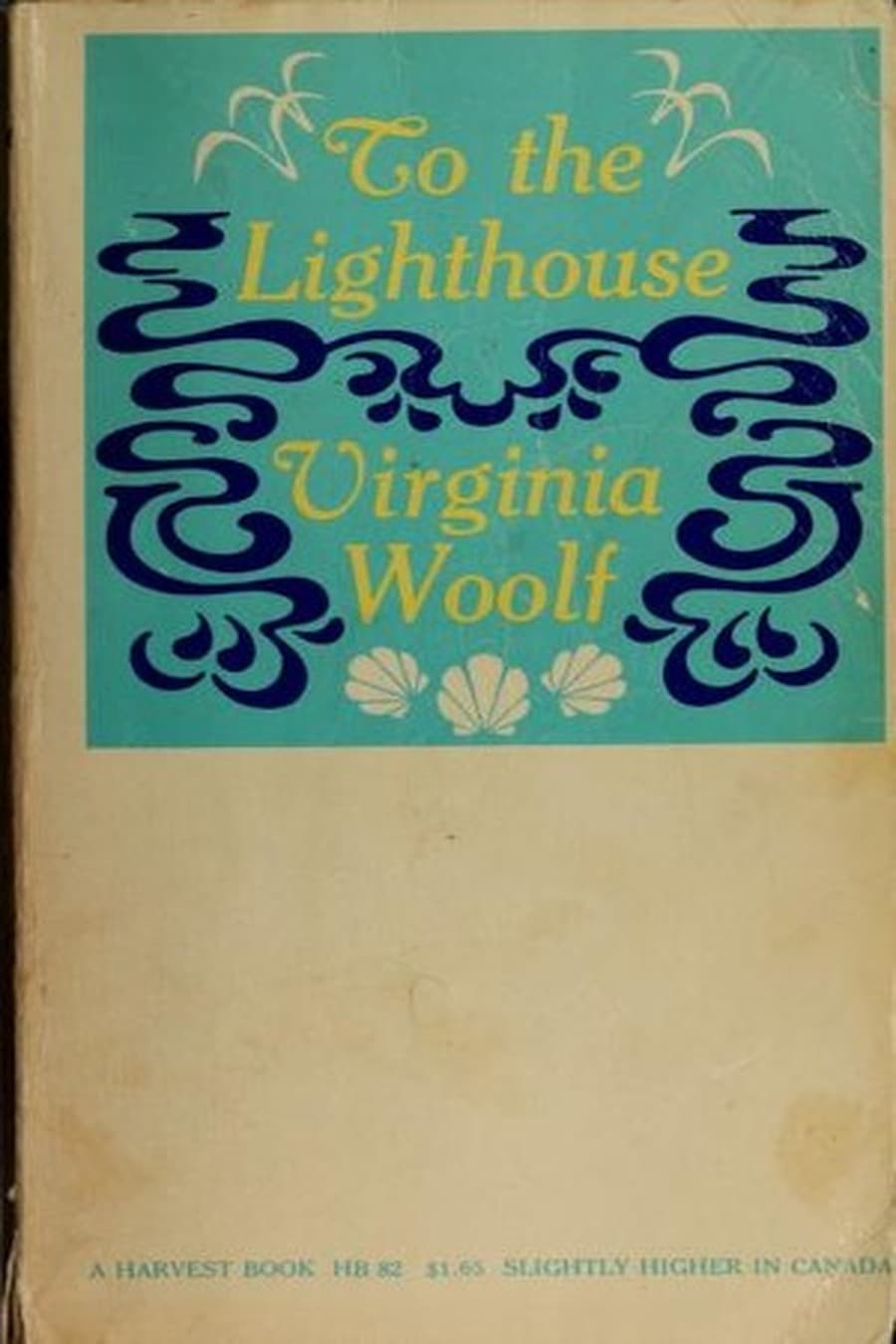
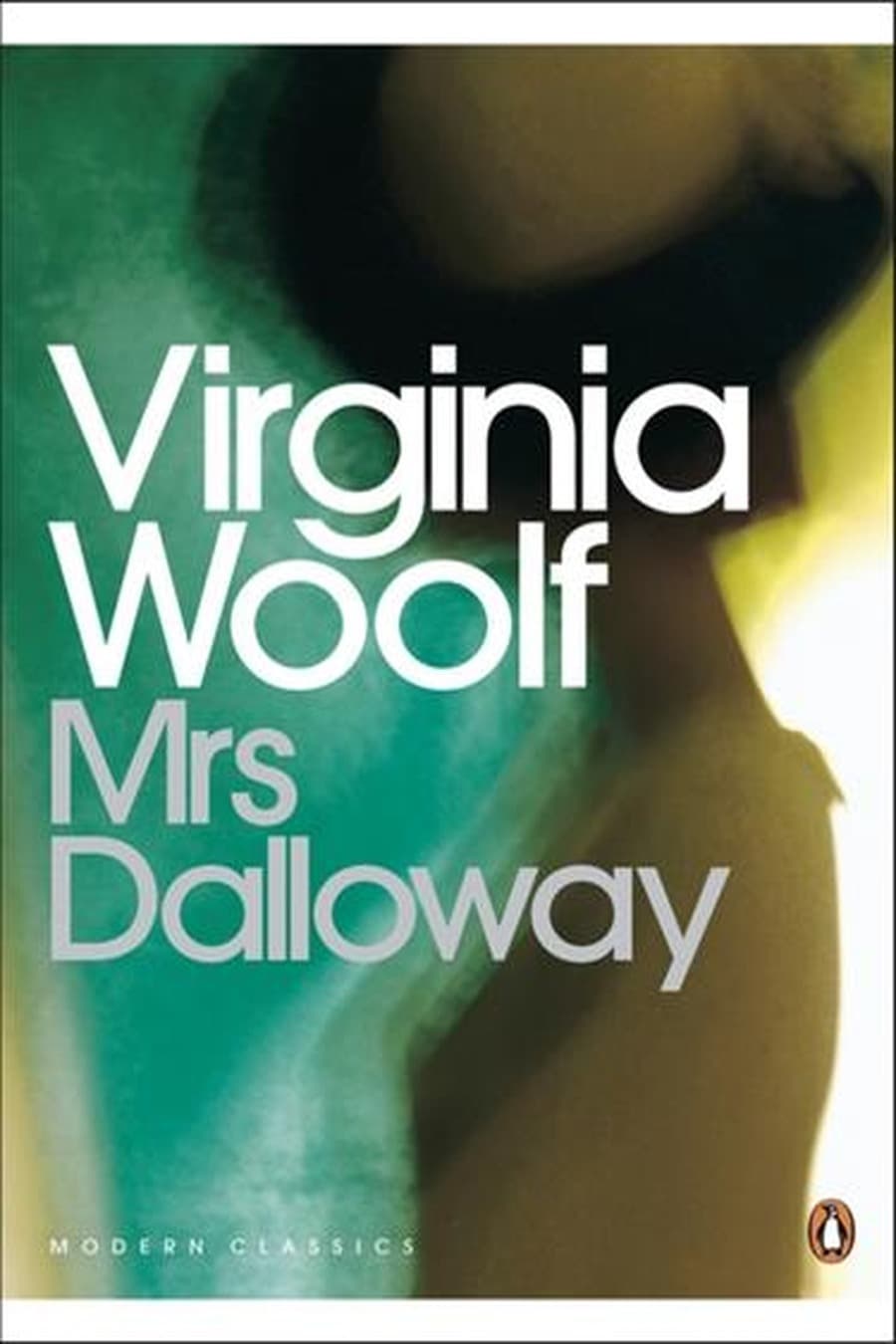
Editions
X-Ray
“Communication is truth; communication is happiness. To share is our duty; to go down boldly and bring to light those hidden thoughts which are the most diseased; to conceal nothing; to pretend nothing; if we are ignorant to say so; if we love our friends to let them know it.””
— Virginia Woolf
“Let us record the atoms as they fall upon the mind in the order in which they fall, let us trace the pattern, however disconnected and incoherent in appearance, which each sight or incident scores upon the consciousness. Let us not take it for granted that life exists more fully in what is commonly thought big than in what is commonly thought small.””
— Virginia Woolf
“For pleasure has no relish unless we share it.””
— Virginia Woolf
“There is the strange power we have of changing facts by the force of the imagination.””
— Virginia Woolf
“Every season is likeable, and wet days and fine, red wine and white, company and solitude. Even sleep, that deplorable curtailment of the joy of life, can be full of dreams; and the most common actions”
— Virginia Woolf
“For beyond the difficulty of communicating oneself, there is the supreme difficulty of being oneself.””
— Virginia Woolf
“It is as if Emily Brontë could tear up all that we know human beings by, and fill these unrecognizable transparencies with such a gust of life that they transcend reality.””
— Virginia Woolf
“There is a sadness at the back of life which some people do not attempt to mitigate. Entirely aware of their own standing in the shadow, and yet alive to every tremor and gleam of existence, there they endure.””
— Virginia Woolf
“A good essay must have this permanent quality about it; it must draw its curtain round us, but it must be a curtain that shuts us in not out.””
— Virginia Woolf
Link to this book
Add a free, dofollow link to Lex on your blog, forum, syllabus, or reading list.

<a href="https://lex-books.com/book/the-common-reader-15572ecb-e217-4e48-8785-77efd0310af8"><img src="https://lex-books.com/badges/read-on-lex.svg" alt="Read The Common Reader by Virginia Woolf free on Lex" width="160" height="40"></a>[](https://lex-books.com/book/the-common-reader-15572ecb-e217-4e48-8785-77efd0310af8)[url=https://lex-books.com/book/the-common-reader-15572ecb-e217-4e48-8785-77efd0310af8][img]https://lex-books.com/badges/read-on-lex.svg[/img][/url]Read The Common Reader by Virginia Woolf free on Lex: https://lex-books.com/book/the-common-reader-15572ecb-e217-4e48-8785-77efd0310af8Cite this book
Reading this edition for a paper or guide? Copy a citation.
Woolf, Virginia. The Common Reader. Lex, lex-books.com/book/the-common-reader-15572ecb-e217-4e48-8785-77efd0310af8.Woolf, V. (n.d.). The Common Reader. Lex. https://lex-books.com/book/the-common-reader-15572ecb-e217-4e48-8785-77efd0310af8Woolf, Virginia. The Common Reader. Lex. https://lex-books.com/book/the-common-reader-15572ecb-e217-4e48-8785-77efd0310af8.