
Vatsyayana
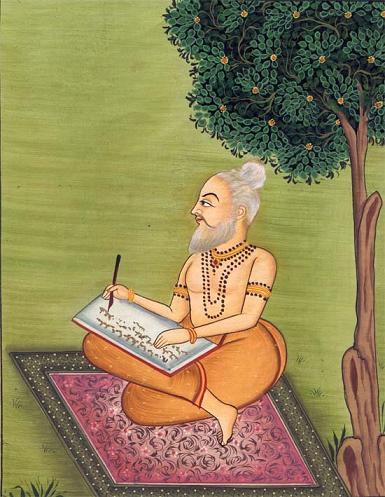
Vātsyāyana was an influential ancient Indian philosopher, best known for his seminal work, the Kama Sutra, which is often regarded as one of the earliest texts on human sexuality and relationships. Living in India during the second or third century CE, likely in the city of Pataliputra, he contributed significantly to the understanding of love, desire, and social conduct. The Kama Sutra, while often reduced to its sexual content, encompasses a broader exploration of the art of living, including ethics, aesthetics, and the nature of relationships, making it a foundational text in both literature and philosophy. Vātsyāyana's work has had a lasting impact on Indian culture and beyond, influencing various aspects of art, literature, and social norms regarding love and intimacy. The Kama Sutra's blend of practical advice and philosophical insights has sparked interest and debate for centuries, establishing Vātsyāyana as a pivotal figure in the discourse on sexuality and relationships. His contributions continue to be studied and appreciated, highlighting the complexity of human emotions and the importance of understanding desire within the context of a well-rounded life.
Famous Quotes
View all 12 quotes“Love does not care for time or order””
“for it is a universal rule that however bashful or angry a woman may be she never disregards a man's kneeling at her feet.””
Books from the author


Link to this page
Add a free, dofollow link to Lex on your blog, forum, syllabus, or reading list.

<a href="https://lex-books.com/author/vatsyayana"><img src="https://lex-books.com/badges/read-on-lex.svg" alt="Vatsyayana on Lex" width="160" height="40"></a>[](https://lex-books.com/author/vatsyayana)[url=https://lex-books.com/author/vatsyayana][img]https://lex-books.com/badges/read-on-lex.svg[/img][/url]Vatsyayana on Lex: https://lex-books.com/author/vatsyayana