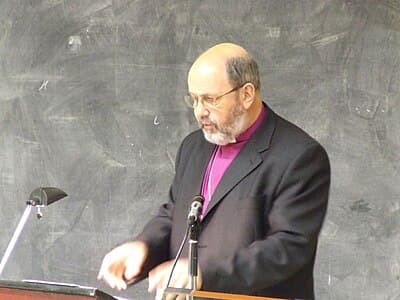
Thomas Wright
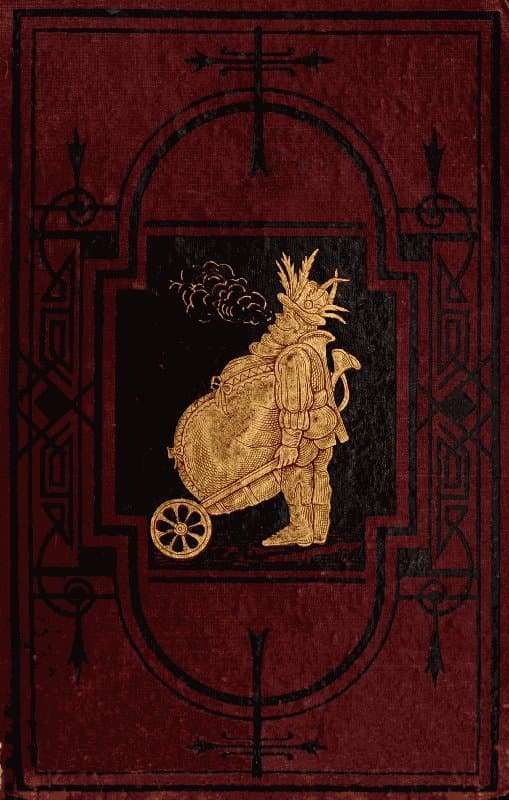
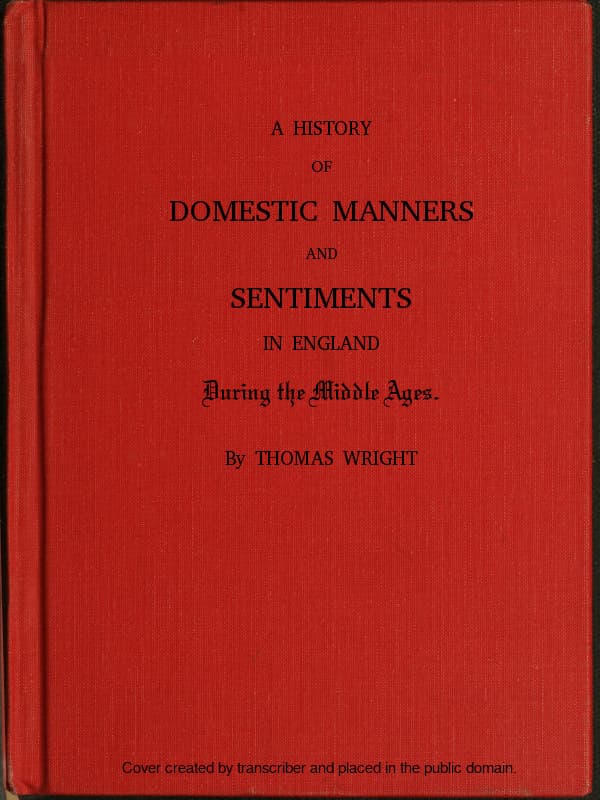
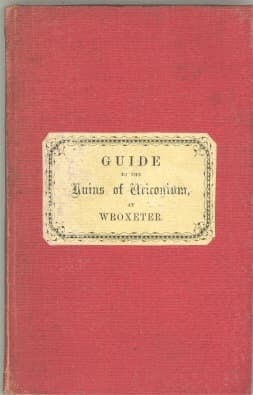
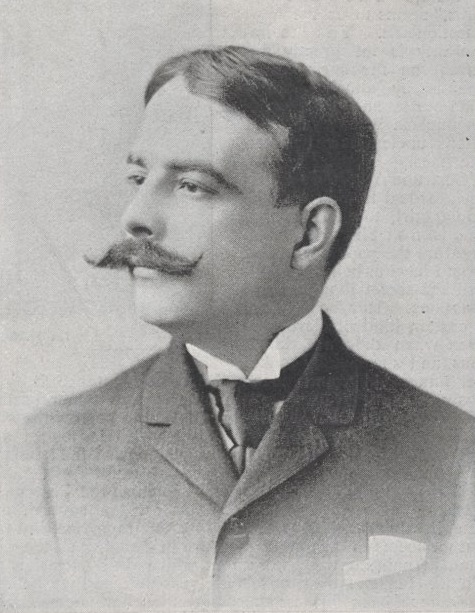
Thomas Wright was a prolific English author and antiquarian known for his extensive contributions to literature, history, and cultural studies. He dedicated much of his career to exploring the nuances of English history and society, as evidenced by his notable works such as 'A History of Caricature and Grotesque in Literature and Art,' which examined the role of caricature in cultural expression, and 'The Life of Sir Richard Burton,' a biography that delved into the life of the controversial explorer and linguist. Wright's scholarly pursuits also included 'A History of Domestic Manners and Sentiments in England During the Middle Ages,' where he provided insights into the social fabric of medieval England, showcasing his ability to weave together historical narrative with cultural analysis. In addition to his historical writings, Wright engaged with the antiquities of England, as seen in 'The History & Antiquities of the Town of Ludlow, and Its Ancient Castle,' where he documented the rich heritage of a specific locale. His work on the Roman city of Uriconium further illustrated his interest in the remnants of past civilizations and their significance in understanding contemporary society. Wright's diverse body of work not only reflects his deep engagement with English history and culture but also highlights his role in shaping the field of antiquarian studies during his time. His legacy endures through his meticulous research and the breadth of topics he addressed, which continue to inform scholars and enthusiasts of English history and literature today.
Famous Quotes
View all 13 quotes“It was Thomas Edison who brought us electricity, not the Sierra Club. It was the Wright brothers who got us off the ground, not the Federal Aviation Administration. It was Henry Ford who ended the isolation of millions of Americans by making the automobile affordable, not Ralph Nader. Those who have helped the poor the most have not been those who have gone around loudly expressing 'compassion' for the poor, but those who found ways to make industry more productive and distribution more efficient, so that the poor of today can afford things that the affluent of yesterday could only dream about.””
“I am proud of the fact that I never invented weapons to kill.””
“I had written a book of short stories which was published under the title of "Uncle Tom's Children". When the review of that book began to appear, I realized that I had made an awful naive mistake. I found that I had written a book which even bankers' daughters could read and weep over and feel good about. I swore to myself that if I ever wrote another book, no one would weep over it; that it would be so hard and deep that they would have to face it without the consolation of tears.””
Books from the author


Link to this page
Add a free, dofollow link to Lex on your blog, forum, syllabus, or reading list.

<a href="https://lex-books.com/author/thomas-wright"><img src="https://lex-books.com/badges/read-on-lex.svg" alt="Thomas Wright on Lex" width="160" height="40"></a>[](https://lex-books.com/author/thomas-wright)[url=https://lex-books.com/author/thomas-wright][img]https://lex-books.com/badges/read-on-lex.svg[/img][/url]Thomas Wright on Lex: https://lex-books.com/author/thomas-wright