A History of Caricature and Grotesque in Literature and Art
1865
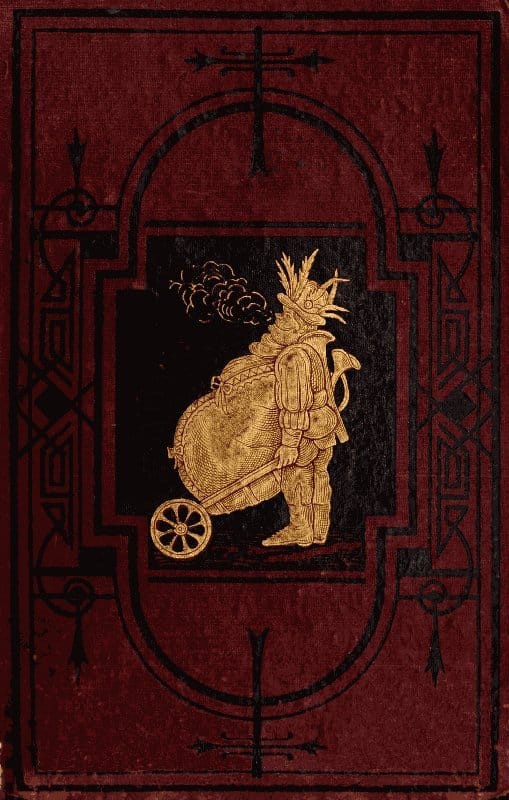
Every civilization, from the pharaohs' courts to the printing houses of Victorian London, has produced images and words designed to ridicule, distort, and expose. This ambitious Victorian study traces that impulse across three millennia, mapping how caricature and the grotesque evolved from ritual mockery in ancient cultures into the satirical weapons that shaped public opinion and toppled reputations. Thomas Wright, writing at a moment when scholars were first taking 'low' art seriously, assembles evidence from Egyptian tombs, Greek theater, medieval manuscripts, Renaissance prints, and the exploding popular culture of his own century. The book is less a catalog than an argument: that the impulse to exaggerate, to make grotesque, to laugh at power, is woven into human nature itself. Fairholt's illustrations render the evidence vivid, showing us the monstrous faces and scabrous wit that civilizations have used to police their elites and reflect their anxieties. For anyone curious about where our memes and political cartoons come from, or why we cannot stop laughing at distorted faces, this remains a remarkable excavation of something we rarely think to trace.
Editions
Link to this book
Add a free, dofollow link to Lex on your blog, forum, syllabus, or reading list.

<a href="https://lex-books.com/book/a-history-of-caricature-and-grotesque-in-literature-and-art-5f879ccd-a8a3-4827-aad0-e792eea76128"><img src="https://lex-books.com/badges/read-on-lex.svg" alt="Read A History of Caricature and Grotesque in Literature and Art by Thomas Wright free on Lex" width="160" height="40"></a>[](https://lex-books.com/book/a-history-of-caricature-and-grotesque-in-literature-and-art-5f879ccd-a8a3-4827-aad0-e792eea76128)[url=https://lex-books.com/book/a-history-of-caricature-and-grotesque-in-literature-and-art-5f879ccd-a8a3-4827-aad0-e792eea76128][img]https://lex-books.com/badges/read-on-lex.svg[/img][/url]Read A History of Caricature and Grotesque in Literature and Art by Thomas Wright free on Lex: https://lex-books.com/book/a-history-of-caricature-and-grotesque-in-literature-and-art-5f879ccd-a8a3-4827-aad0-e792eea76128Cite this book
Reading this edition for a paper or guide? Copy a citation.
Wright, Thomas. A History of Caricature and Grotesque in Literature and Art. Lex, lex-books.com/book/a-history-of-caricature-and-grotesque-in-literature-and-art-5f879ccd-a8a3-4827-aad0-e792eea76128.Wright, T. (1865). A History of Caricature and Grotesque in Literature and Art. Lex. https://lex-books.com/book/a-history-of-caricature-and-grotesque-in-literature-and-art-5f879ccd-a8a3-4827-aad0-e792eea76128Wright, Thomas. A History of Caricature and Grotesque in Literature and Art. Lex. https://lex-books.com/book/a-history-of-caricature-and-grotesque-in-literature-and-art-5f879ccd-a8a3-4827-aad0-e792eea76128.