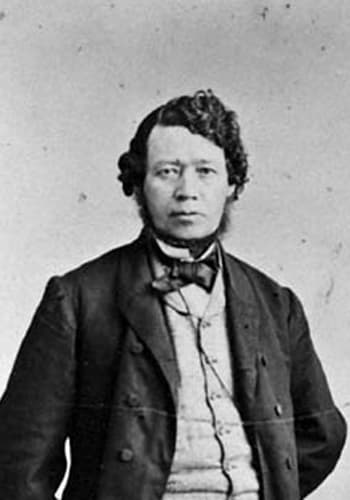
Thomas D'Arcy McGee
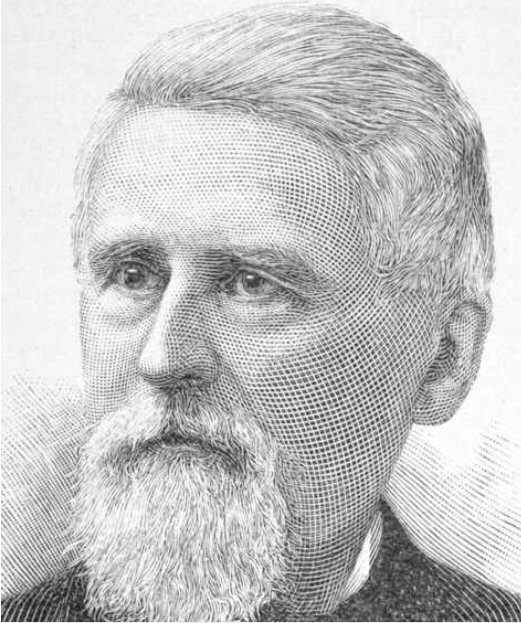
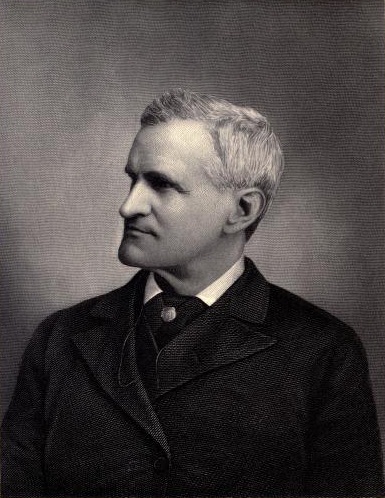
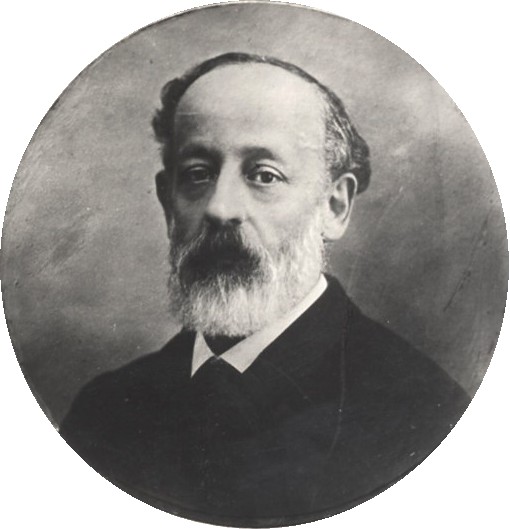
Thomas D'Arcy McGee was an influential Irish-Canadian politician, journalist, and poet, recognized as one of the Fathers of Canadian Confederation. Born in Ireland, he initially opposed British rule and was involved in the Young Ireland movement, which sought to establish an independent Irish Republic. After fleeing to the United States in 1848 to escape arrest, McGee's political views evolved; he became a staunch monarchist and a vocal supporter of the Catholic Church, particularly during the papacy of Pius IX. His shift in perspective led him to advocate for cooperation between Irish Canadians and Protestant communities in Canada, promoting a vision of a self-governing Canada within the British Empire. McGee's fervent nationalism and commitment to Confederation were pivotal in the political landscape of the time. He played a significant role in the discussions that led to the formation of Canada in 1867, earning him the title of 'Canada's first nationalist.' His opposition to the Fenian Brotherhood, a group that mirrored his earlier revolutionary ideals, highlighted his transformation and dedication to a peaceful and unified Canada. Tragically, his life was cut short in 1868 when he was assassinated by a member of the Fenian Brotherhood, an act that underscored the tensions surrounding his legacy and the political climate of the era. McGee's contributions to Canadian identity and governance remain significant in the country's history.
Books from the author


Link to this page
Add a free, dofollow link to Lex on your blog, forum, syllabus, or reading list.

<a href="https://lex-books.com/author/thomas-darcy-mcgee"><img src="https://lex-books.com/badges/read-on-lex.svg" alt="Thomas D'Arcy McGee on Lex" width="160" height="40"></a>[](https://lex-books.com/author/thomas-darcy-mcgee)[url=https://lex-books.com/author/thomas-darcy-mcgee][img]https://lex-books.com/badges/read-on-lex.svg[/img][/url]Thomas D'Arcy McGee on Lex: https://lex-books.com/author/thomas-darcy-mcgee