Lex

Browse

All GenresBookshelvesFree BooksFree Audiobooks

Company

About usJobsShare with friendsAffiliates

Legal

Terms of ServicePrivacy Policy

Contact

Supportgeneral@lex-books.com(215) 703-8277

© 2026 LexBooks, Inc. All rights reserved.

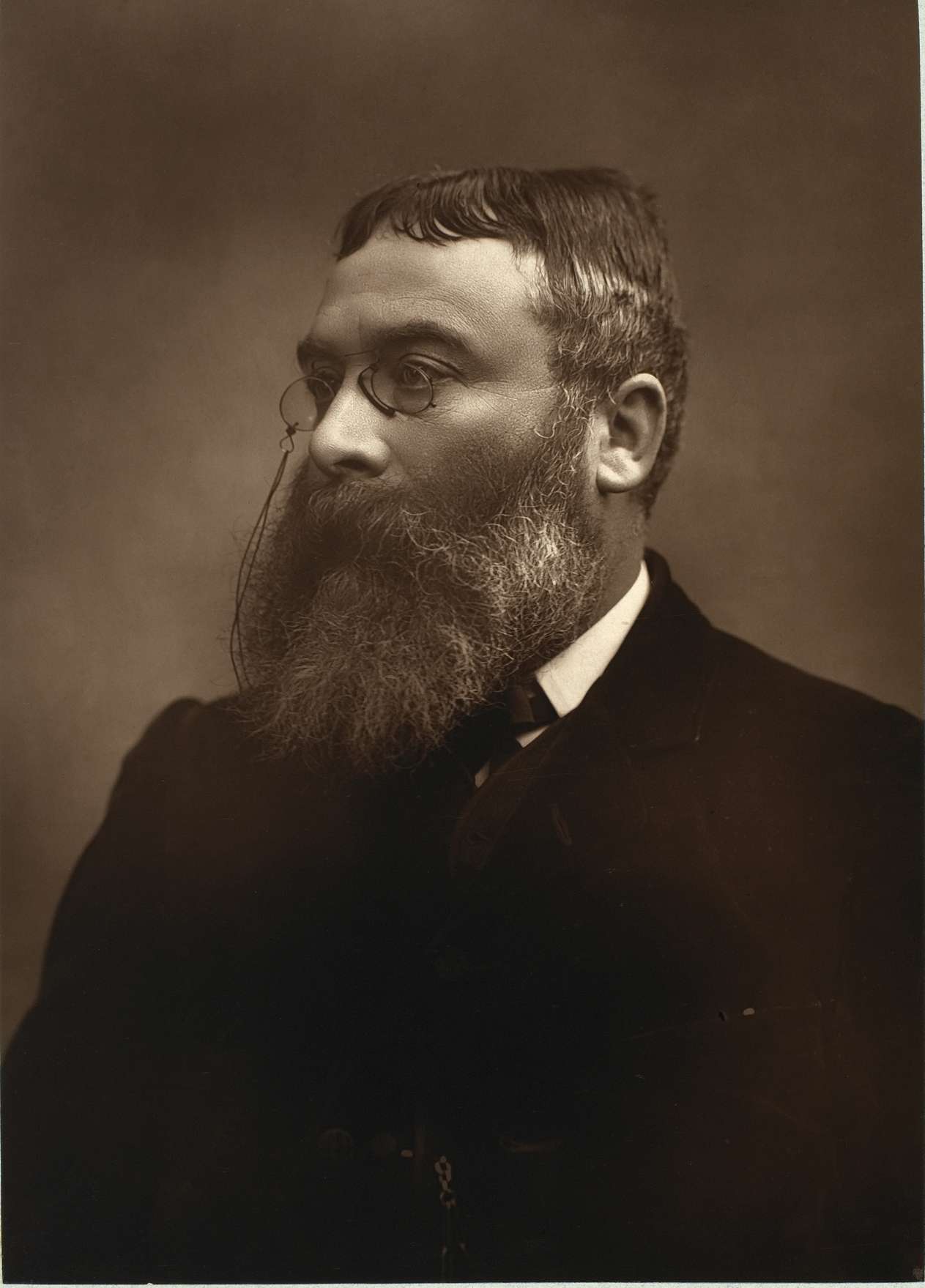
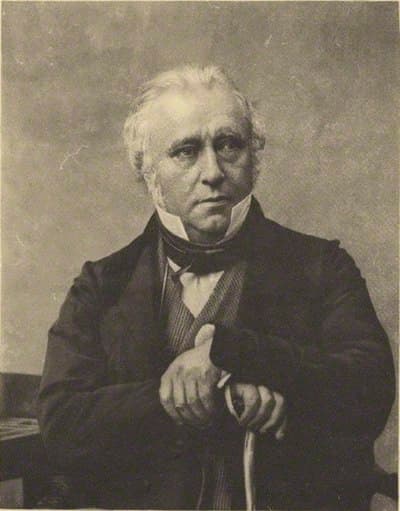
Thomas Babington Macaulay

Thomas Babington Macaulay

Thomas Babington Macaulay was a prominent British historian, poet, and Whig politician whose influence extended into both literature and politics. He is best remembered for his work, 'The History of England,' which exemplified the Whig interpretation of history, emphasizing the progress of society through the lens of liberal values. Macaulay's prose was celebrated for its clarity and vigor, making complex historical narratives accessible to a broader audience. His belief in the inevitability of sociopolitical advancement shaped not only his historical writings but also his political career, where he served as Secretary at War and Paymaster General. In addition to his historical contributions, Macaulay significantly impacted education policy in colonial India, advocating for English education and the introduction of Western literary and scientific knowledge. His views on education and governance reflected his broader belief in the civilizing mission of the British Empire. Macaulay's legacy endures through his historical works and his role in shaping modern educational frameworks, marking him as a key figure in both British history and the history of colonial education.

Wikipedia

Thomas Babington Macaulay, 1st Baron Macaulay, was a British historian, poet and Whig politician who served as the Secre...

Written by Lex AI

Famous Quotes

View all 48 quotes

“We are under a deception similar to that which misleads the traveler in the Arabian desert. Beneath the caravan all is dry and bare; but far in advance, and far in the rear, is the semblance of refreshing waters... A similar illusion seems to haunt nations through every stage of the long progress from poverty and barbarism to the highest degrees of opulence and civilization. But if we resolutely chase the mirage backward, we shall find it recede before us into the regions of fabulous antiquity. It is now the fashion to place the golden age of England in times when noblemen were destitute of comforts the want of which would be intolerable to a modern footman, when farmers and shopkeepers breakfasted on loaves the very sight of which would raise a riot in a modern workhouse, when to have a clean shirt once a week was a privilege reserved for the higher class of gentry, when men died faster in the purest country air than they now die in the most pestilential lanes of our towns, and when men died faster in the lanes of our towns than they now die on the coast of Guiana....We too shall in our turn be outstripped, and in our turn be envied. It may well be, in the twentieth century, that the peasant of Dorsetshire may think himself miserably paid with twenty shillings a week; that the carpenter at Greenwich may receive ten shillings a day; that laboring men may be as little used to dine without meat as they are now to eat rye bread; that sanitary police and medical discoveries may have added several more years to the average length of human life; that numerous comforts and luxuries which are now unknown, or confined to a few, may be within the reach of every diligent and thrifty workingman. And yet it may then be the mode to assert that the increase of wealth and the progress of science have benefited the few at the expense of the many, and to talk of the reign of Queen Victoria as the time when England was truly merry England, when all classes were bound together by brotherly sympathy, when the rich did not grind the faces of the poor, and when the poor did not envy the splendor of the rich.”

The History of England

“Then out spake brave Horatius,The Captain of the gate:‘To every man upon this earthDeath cometh soon or late.And how can man die betterThan facing fearful odds,For the ashes of his fathers,And the temples of his Gods,‘And for the tender motherWho dandled him to rest,And for the wife who nursesHis baby at her breast,And for the holy maidensWho feed the eternal flame,To save them from false SextusThat wrought the deed of shame?‘Hew down the bridge, Sir Consul,With all the speed ye may;I, with two more to help me,Will hold the foe in play.In yon strait path a thousandMay well be stopped by three.Now who will stand on either hand,And keep the bridge with me?Then out spake Spurius Lartius;A Ramnian proud was he:‘Lo, I will stand at thy right hand,And keep the bridge with thee.’And out spake strong Herminius;Of Titian blood was he:‘I will abide on thy left side,And keep the bridge with thee.’‘Horatius,’ quoth the Consul,‘As thou sayest, so let it be.’And straight against that great arrayForth went the dauntless Three.For Romans in Rome’s quarrelSpared neither land nor gold,Nor son nor wife, nor limb nor life,In the brave days of old.Then none was for a party;Then all were for the state;Then the great man helped the poor,And the poor man loved the great:Then lands were fairly portioned;Then spoils were fairly sold:The Romans were like brothersIn the brave days of old.Now Roman is to RomanMore hateful than a foe,And the Tribunes beard the high,And the Fathers grind the low.As we wax hot in faction,In battle we wax cold:Wherefore men fight not as they foughtIn the brave days of old.”

Horatius

“After the fashion of oppressed sects, they mistook their own vindictive feelings for emotions of piety, encouraged in themselves by reading and meditation, a disposition to brood over their wrongs, and, when they had worked themselves up into hating their enemies, imagined they were only hating the enemies of heaven. In the New Testament there was little indeed which, even when perverted by the most disingenuous exposition, could seem to countenance the indulgence of malevolent passions. But the Old Testament contained the history of a race selected by God to be witnesses of his unity and ministers of his vengeance, and specially commanded to do many things which, if done without his special command, would have been atrocious crimes. In such a history it was not difficult for fierce and gloomy spirits to find much that might be distorted to suit their wishes.”

The History of England, Vol. 1: From the Accession of James the Second

“We are under a deception similar to that which misleads the traveler in the Arabian desert. Beneath the caravan all is dry and bare; but far in advance, and far in the rear, is the semblance of refreshing waters... A similar illusion seems to haunt nations through every stage of the long progress from poverty and barbarism to the highest degrees of opulence and civilization. But if we resolutely chase the mirage backward, we shall find it recede before us into the regions of fabulous antiquity. It is now the fashion to place the golden age of England in times when noblemen were destitute of comforts the want of which would be intolerable to a modern footman, when farmers and shopkeepers breakfasted on loaves the very sight of which would raise a riot in a modern workhouse, when to have a clean shirt once a week was a privilege reserved for the higher class of gentry, when men died faster in the purest country air than they now die in the most pestilential lanes of our towns, and when men died faster in the lanes of our towns than they now die on the coast of Guiana....We too shall in our turn be outstripped, and in our turn be envied. It may well be, in the twentieth century, that the peasant of Dorsetshire may think himself miserably paid with twenty shillings a week; that the carpenter at Greenwich may receive ten shillings a day; that laboring men may be as little used to dine without meat as they are now to eat rye bread; that sanitary police and medical discoveries may have added several more years to the average length of human life; that numerous comforts and luxuries which are now unknown, or confined to a few, may be within the reach of every diligent and thrifty workingman. And yet it may then be the mode to assert that the increase of wealth and the progress of science have benefited the few at the expense of the many, and to talk of the reign of Queen Victoria as the time when England was truly merry England, when all classes were bound together by brotherly sympathy, when the rich did not grind the faces of the poor, and when the poor did not envy the splendor of the rich.”

The History of England

“Then out spake brave Horatius,The Captain of the gate:‘To every man upon this earthDeath cometh soon or late.And how can man die betterThan facing fearful odds,For the ashes of his fathers,And the temples of his Gods,‘And for the tender motherWho dandled him to rest,And for the wife who nursesHis baby at her breast,And for the holy maidensWho feed the eternal flame,To save them from false SextusThat wrought the deed of shame?‘Hew down the bridge, Sir Consul,With all the speed ye may;I, with two more to help me,Will hold the foe in play.In yon strait path a thousandMay well be stopped by three.Now who will stand on either hand,And keep the bridge with me?Then out spake Spurius Lartius;A Ramnian proud was he:‘Lo, I will stand at thy right hand,And keep the bridge with thee.’And out spake strong Herminius;Of Titian blood was he:‘I will abide on thy left side,And keep the bridge with thee.’‘Horatius,’ quoth the Consul,‘As thou sayest, so let it be.’And straight against that great arrayForth went the dauntless Three.For Romans in Rome’s quarrelSpared neither land nor gold,Nor son nor wife, nor limb nor life,In the brave days of old.Then none was for a party;Then all were for the state;Then the great man helped the poor,And the poor man loved the great:Then lands were fairly portioned;Then spoils were fairly sold:The Romans were like brothersIn the brave days of old.Now Roman is to RomanMore hateful than a foe,And the Tribunes beard the high,And the Fathers grind the low.As we wax hot in faction,In battle we wax cold:Wherefore men fight not as they foughtIn the brave days of old.”

Horatius

“After the fashion of oppressed sects, they mistook their own vindictive feelings for emotions of piety, encouraged in themselves by reading and meditation, a disposition to brood over their wrongs, and, when they had worked themselves up into hating their enemies, imagined they were only hating the enemies of heaven. In the New Testament there was little indeed which, even when perverted by the most disingenuous exposition, could seem to countenance the indulgence of malevolent passions. But the Old Testament contained the history of a race selected by God to be witnesses of his unity and ministers of his vengeance, and specially commanded to do many things which, if done without his special command, would have been atrocious crimes. In such a history it was not difficult for fierce and gloomy spirits to find much that might be distorted to suit their wishes.”

The History of England, Vol. 1: From the Accession of James the Second

Books from the author

The History of England, from the Accession
The History of England, from the Accession of James II, Volume 1, Chapter 02
Critical, Historical, and Miscellaneous Essays; Vol. 3
Miscellaneous Writings and Speeches — Volume 4
Critical and Historical Essays, Volume III (of 3)

The Historyof England,from theAccession...

Thomas Babington Macaulay

Critical, Historical, and Miscellaneous Essays; Vol. 4
Storia D'inghilterra, Vol 1

Critical andHistoricalEssays —Volume 2

1767

Thomas Babington Macaulay

The History of England, from the Accession of James II — Volume 3
Miscellaneous Writings and Speeches — Volume 2
The History of England, from the Accession of James II — Volume 4

Critical andHistoricalEssays —Volume 1

Thomas Babington Macaulay

The Historyof England,from theAccession...

1849

Thomas Babington Macaulay

The History of England, from the Accession of James II — Volume 5
Macaulay's Life of Samuel Johnson, with a Selection from His Essay on Johnson
Miscellaneous Writings and Speeches — Volume 1
Miscellaneous Writings and Speeches — Volume 3
The Miscellaneous Writings and Speeches of Lord Macaulay
Storia D'inghilterra, Vol 2
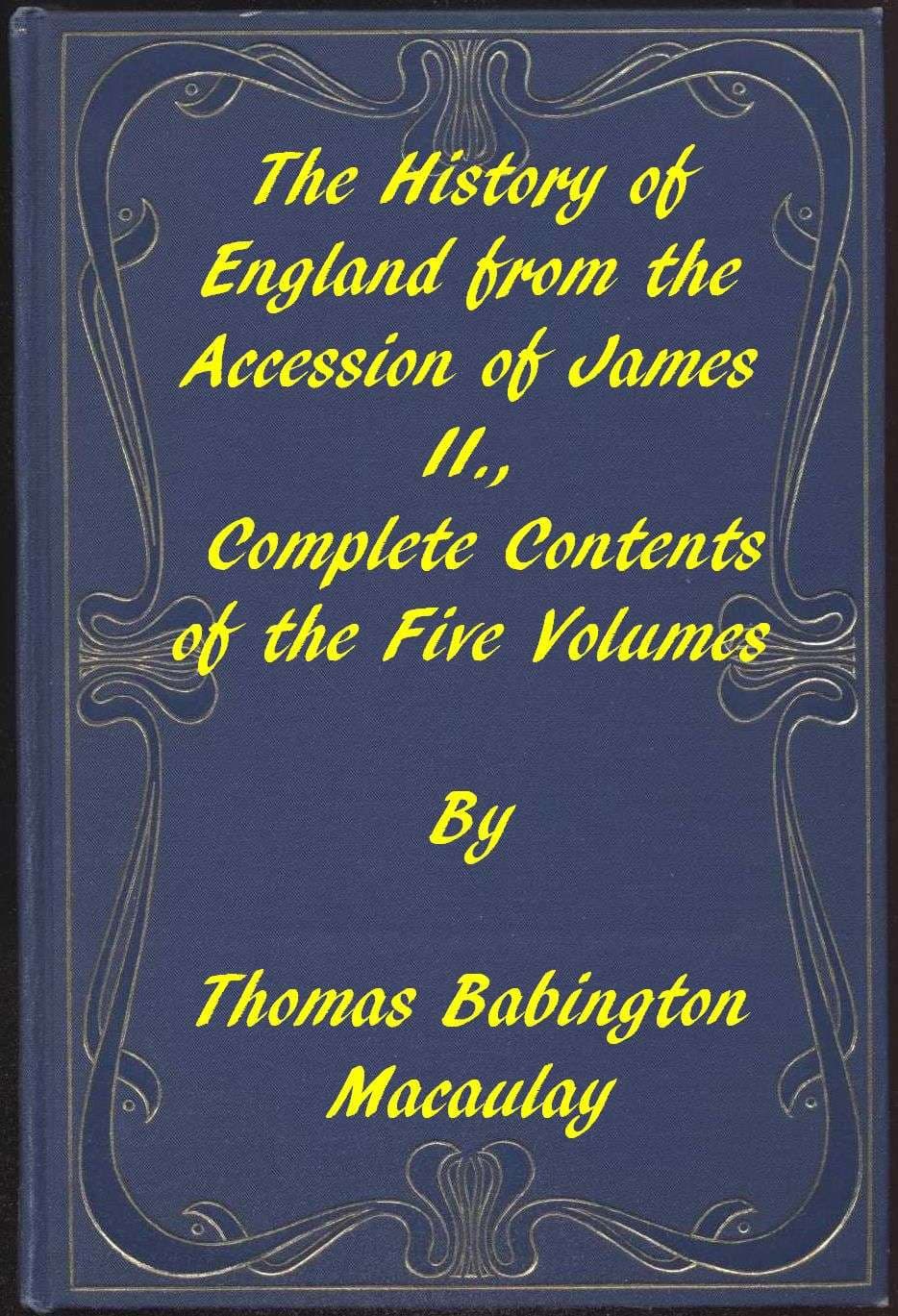
The History of England, from the Accession of James Ii.complete Contents of the Five Volumes
Geschichte Von England Seit Der Thronbesteigung Jakob's Des Zweiten. Erster Band Enthaltend Kapitel 1 Und 2
Essay and Speech on Jewish Disabilities

Geschichtevon Englandseit derThronbest...

Thomas Babington Macaulay

GeschichteVon EnglandSeit DerThronbest...

Thomas Babington Macaulay

Geschichte Von England Seit Der Thronbesteigung Jakob's Des Zweiten. Neunter Band: Enthaltend Kapitel 17 Und 18.
Geschichte Von England Seit Der Thronbesteigung Jakob's Des Zweiten. Vierter Band

GeschichteVon EnglandSeit DerThronbest...

Thomas Babington Macaulay

Geschichte Von England Seit Der Thronbesteigung Jakob's Des Zweiten. Fünfter Band (der 11)
Geschichte Von England Seit Der Thronbesteigung Jakob's Des Zweiten. Elfter Band: Enthaltend Kapitel 21 Und 22.
Geschichte Von England Seit Der Thronbesteigung Jakob's Des Zweiten. Zehnter Band: Enthaltend Kapitel 19 Und 20.

Lordi Clive

Thomas Babington Macaulay

Geschichte Von England Seit Der Thronbesteigung Jakob's Des Zweiten. Achter Band: Enthaltend Kapitel 15 Und 16.
Geschichte Von England Seit Der Thronbesteigung Jakob's Des Zweiten. Siebenter Band: Enthaltend Kapitel 13 Und 14.

More authors like this

right arrow
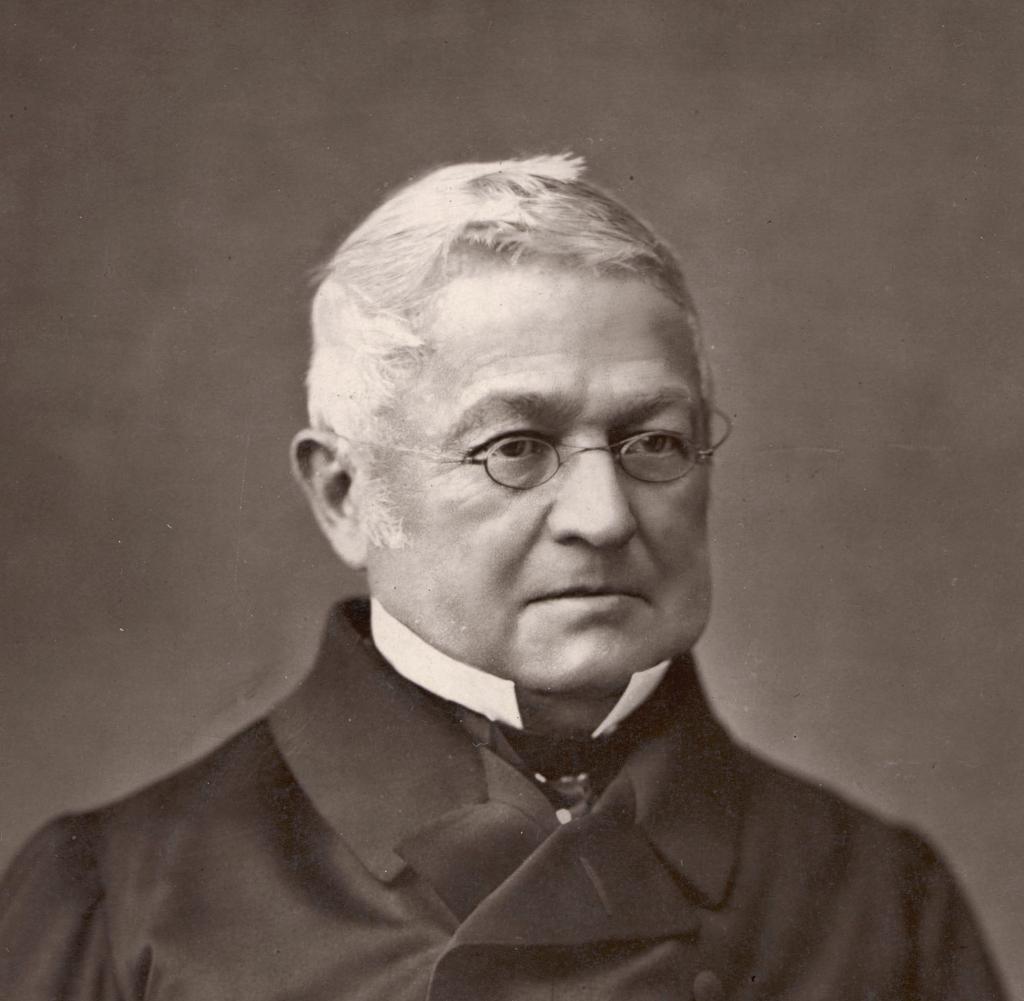
Adolphe Thiers
Adolphe Thiers
1797-1877
Cesare Cantù
1804-1895
Pasquale Villari
Pasquale Villari
1827-1917
Pietro Verri
Pietro Verri
1728-1797
Veikko Antero Koskenniemi
1885-1962
Bernal Díaz del Castillo
1496-1584
the Elder Pliny
24-79
Oregon Historical Society
Unknown
Walter Besant
Walter Besant
1836-1901
Alexander von Humboldt
1769-1859
Max Kemmerich
1876-1932
Juan Valera
Juan Valera
1824-1905
John Stoughton
1807-1897
M. Capefigue
Unknown
Jacques Bainville
Jacques Bainville
1879-1936
Alma Söderhjelm
1870-1949