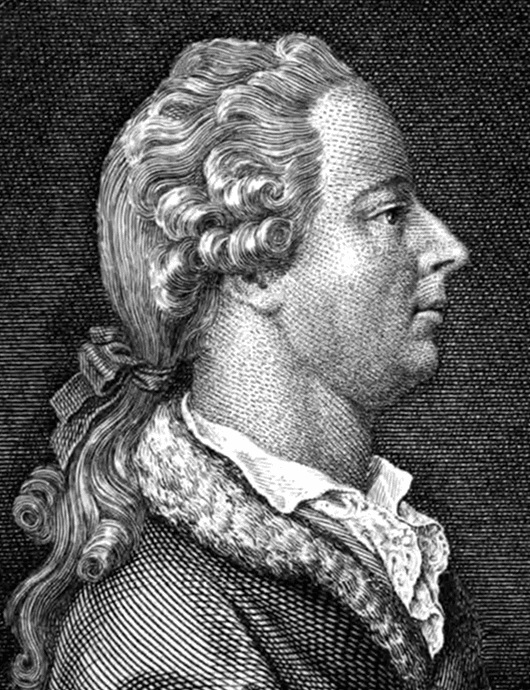
Pietro Verri
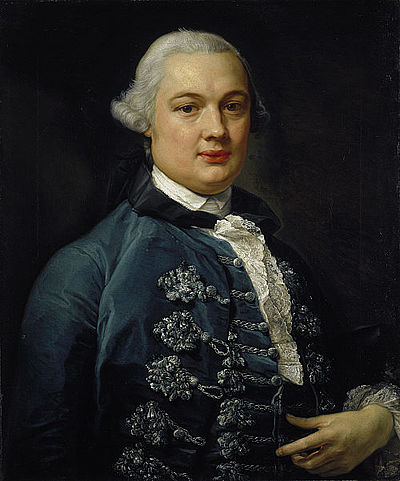
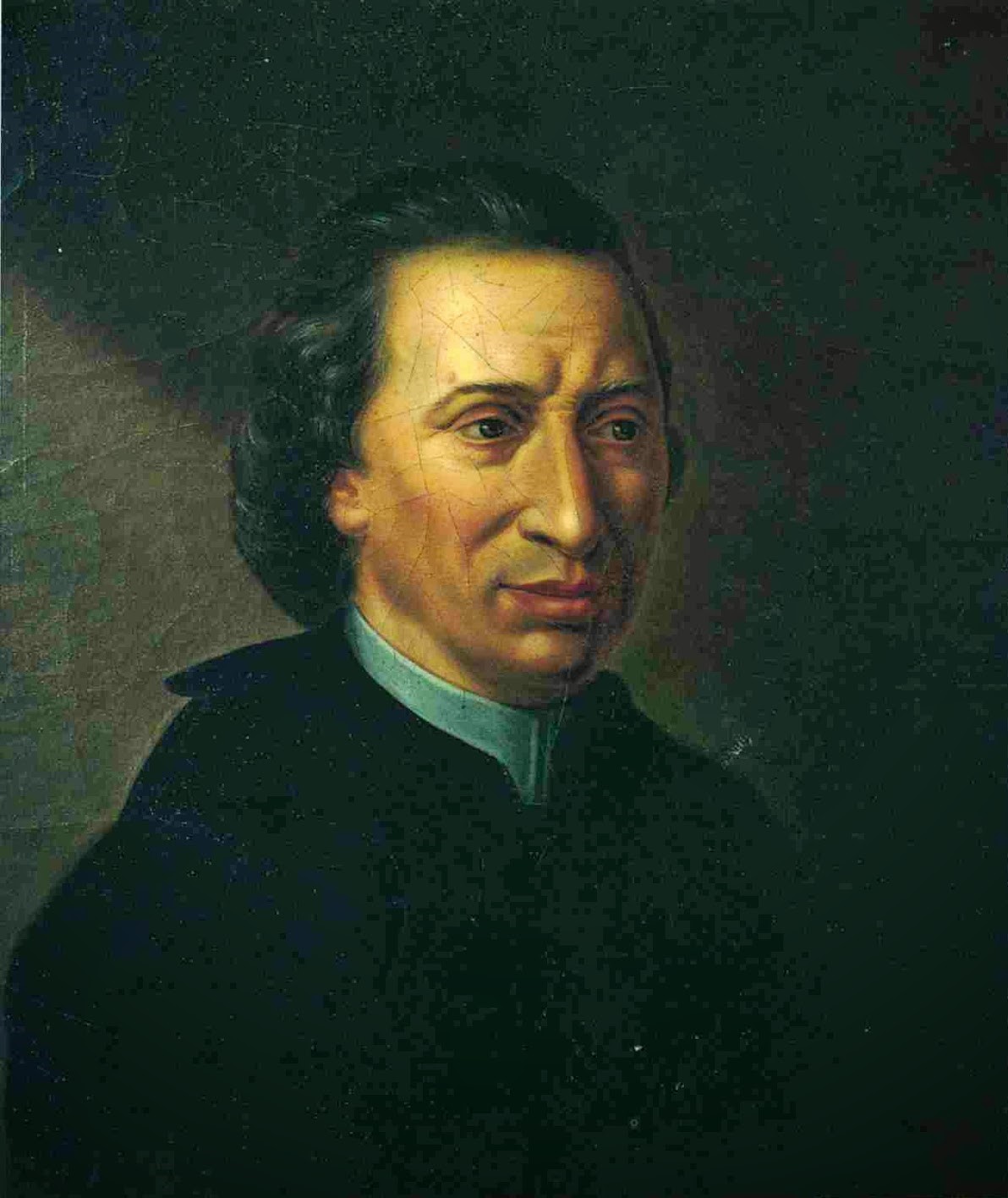
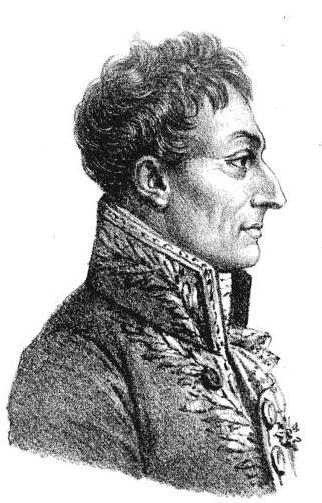
Count Pietro Verri was an influential Italian economist, historian, philosopher, and writer, recognized as a key figure in the Lombard reformist Enlightenment of the 18th century. His contributions to economic thought positioned him as a significant pre-Smithian authority on the concepts of cheapness and abundance, which were pivotal in shaping contemporary economic discourse. Verri's works often reflected his deep engagement with the social and political issues of his time, advocating for reforms that would lead to greater social equity and economic prosperity. Among his notable writings, Verri's 'Meditazioni sulla economia politica' stands out as a critical examination of economic principles, while his historical narratives provided insights into the cultural and intellectual currents of his era. His intellectual legacy is marked by a commitment to rational thought and empirical analysis, which influenced subsequent generations of thinkers. Verri's role in the Enlightenment movement in Italy not only underscored his significance as a reformist but also highlighted the broader European context of his ideas, making him a vital figure in the history of economic and social thought.
Books from the author



Link to this page
Add a free, dofollow link to Lex on your blog, forum, syllabus, or reading list.

<a href="https://lex-books.com/author/pietro-verri"><img src="https://lex-books.com/badges/read-on-lex.svg" alt="Pietro Verri on Lex" width="160" height="40"></a>[](https://lex-books.com/author/pietro-verri)[url=https://lex-books.com/author/pietro-verri][img]https://lex-books.com/badges/read-on-lex.svg[/img][/url]Pietro Verri on Lex: https://lex-books.com/author/pietro-verri