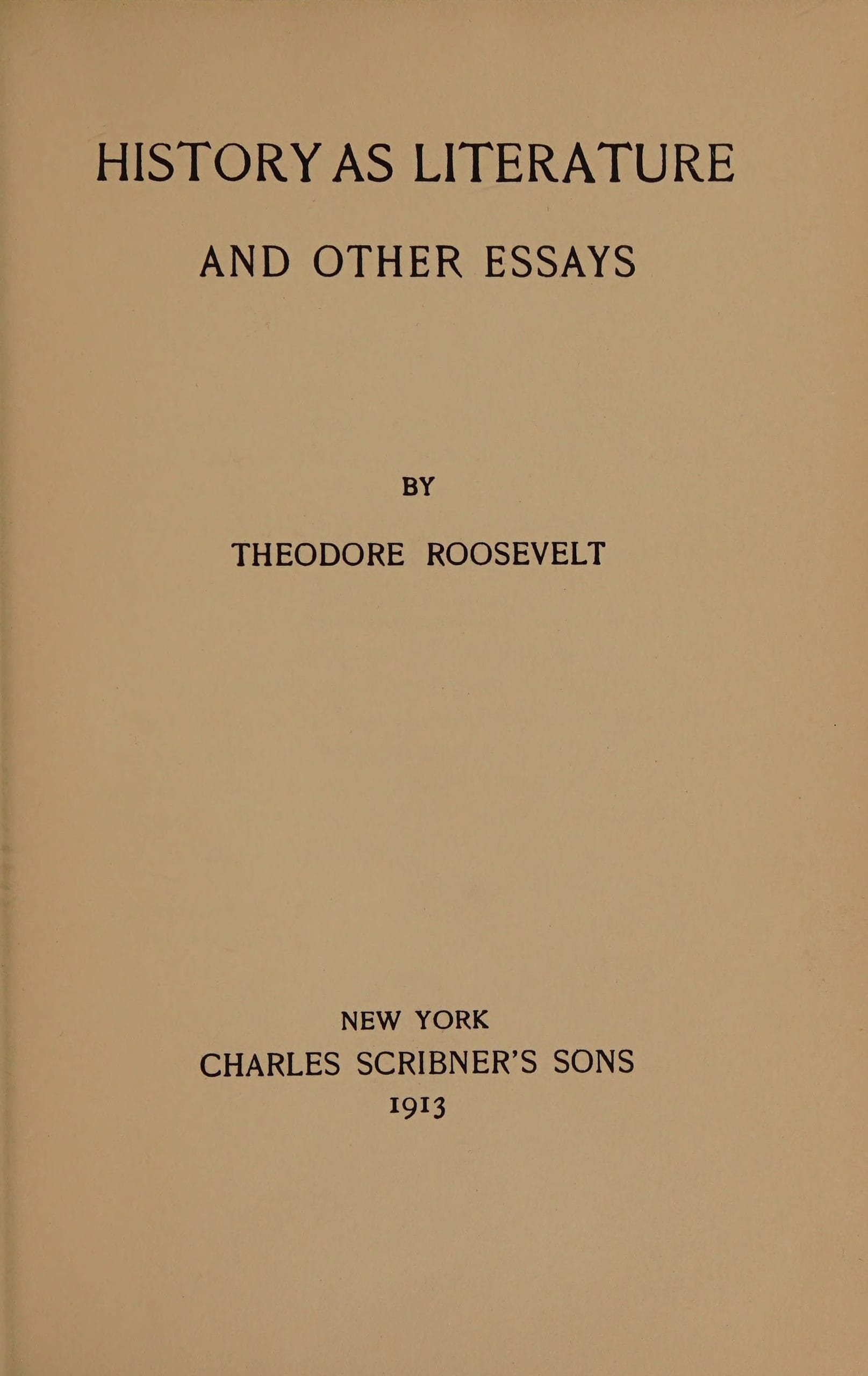
History as Literature, and Other Essays
1913
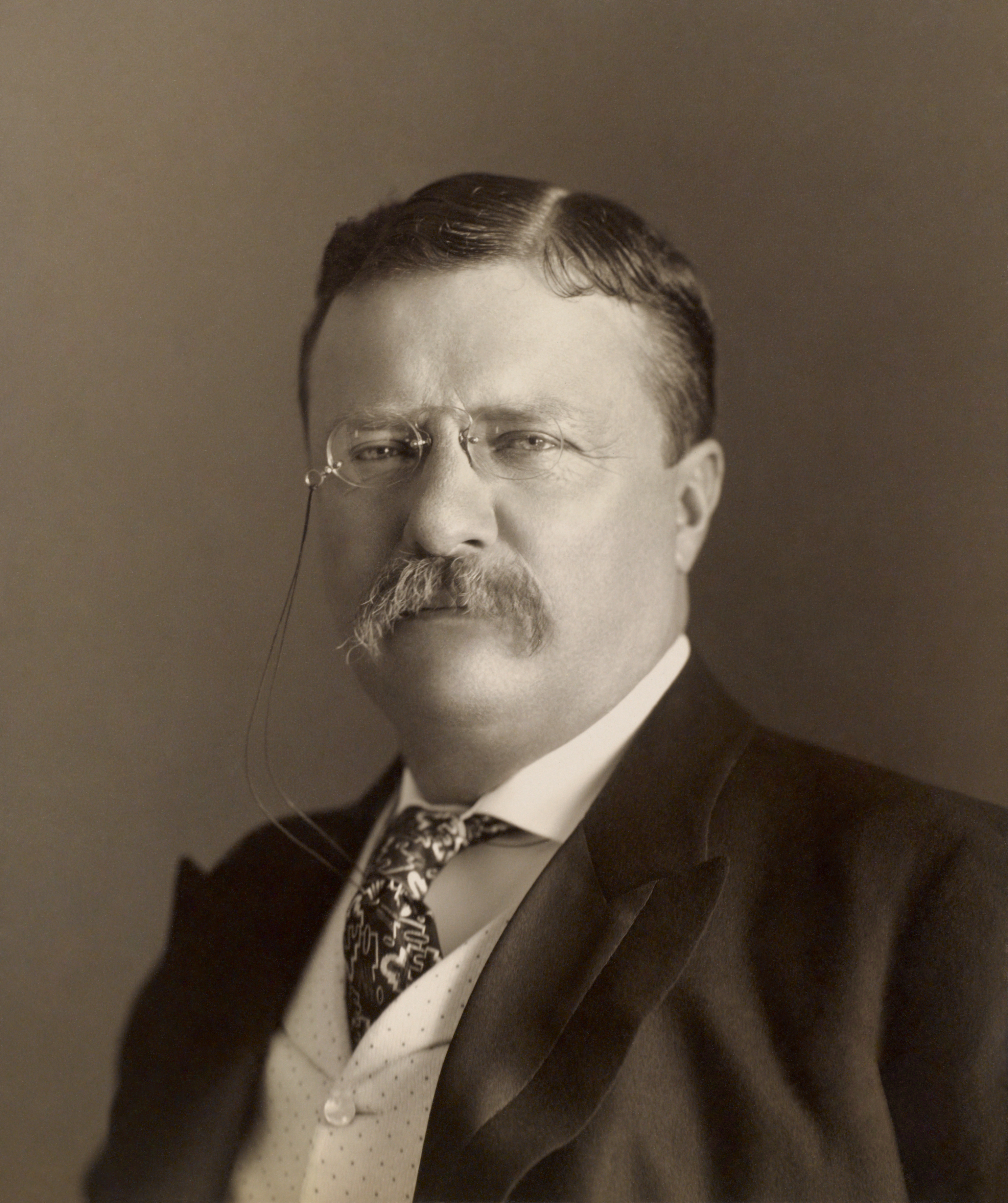
History, Theodore Roosevelt argues in this impassioned collection of essays and addresses, is not merely the accumulation of facts. It is literature. The former president, writing in the years after leaving the White House, mounts a vigorous defense of narrative in historical writing, contending that dry chronology fails the past as miserably as it bores the living. Roosevelt believed that the best history should grip the reader like a novel, that the duty of the historian is not only to uncover truth but to render it with imaginative power. This conviction animates essays ranging from his celebrated address on the Greco-Roman world to dispatches on citizenship, politics, and the responsibilities of a democratic culture. Roosevelt the scholar emerges alongside Roosevelt the statesman: a man of relentless curiosity, vast learning, and absolute conviction that ideas matter profoundly in the conduct of public life. These are not mere archival reflections but urgent arguments about how nations understand themselves and why that understanding demands artistry.
Editions
X-Ray
“History which is not professedly utilitarian, history which is didactic only as great poetry is unconsciously didactic, may yet possess that highest form of usefulness, the power to thrill the souls of men with stories of strength and craft and daring, and to lift them out of their common selves to the heights of high endeavor.””
— Theodore Roosevelt
Link to this book
Add a free, dofollow link to Lex on your blog, forum, syllabus, or reading list.

<a href="https://lex-books.com/book/history-as-literature-and-other-essays-60779842-aebf-41c0-81a8-981c9e8dae61"><img src="https://lex-books.com/badges/read-on-lex.svg" alt="Read History as Literature, and Other Essays by Theodore Roosevelt free on Lex" width="160" height="40"></a>[](https://lex-books.com/book/history-as-literature-and-other-essays-60779842-aebf-41c0-81a8-981c9e8dae61)[url=https://lex-books.com/book/history-as-literature-and-other-essays-60779842-aebf-41c0-81a8-981c9e8dae61][img]https://lex-books.com/badges/read-on-lex.svg[/img][/url]Read History as Literature, and Other Essays by Theodore Roosevelt free on Lex: https://lex-books.com/book/history-as-literature-and-other-essays-60779842-aebf-41c0-81a8-981c9e8dae61Cite this book
Reading this edition for a paper or guide? Copy a citation.
Roosevelt, Theodore. History as Literature, and Other Essays. Lex, lex-books.com/book/history-as-literature-and-other-essays-60779842-aebf-41c0-81a8-981c9e8dae61.Roosevelt, T. (1913). History as Literature, and Other Essays. Lex. https://lex-books.com/book/history-as-literature-and-other-essays-60779842-aebf-41c0-81a8-981c9e8dae61Roosevelt, Theodore. History as Literature, and Other Essays. Lex. https://lex-books.com/book/history-as-literature-and-other-essays-60779842-aebf-41c0-81a8-981c9e8dae61.