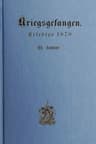
Kriegsgefangen: Erlebtes 1870.
1871
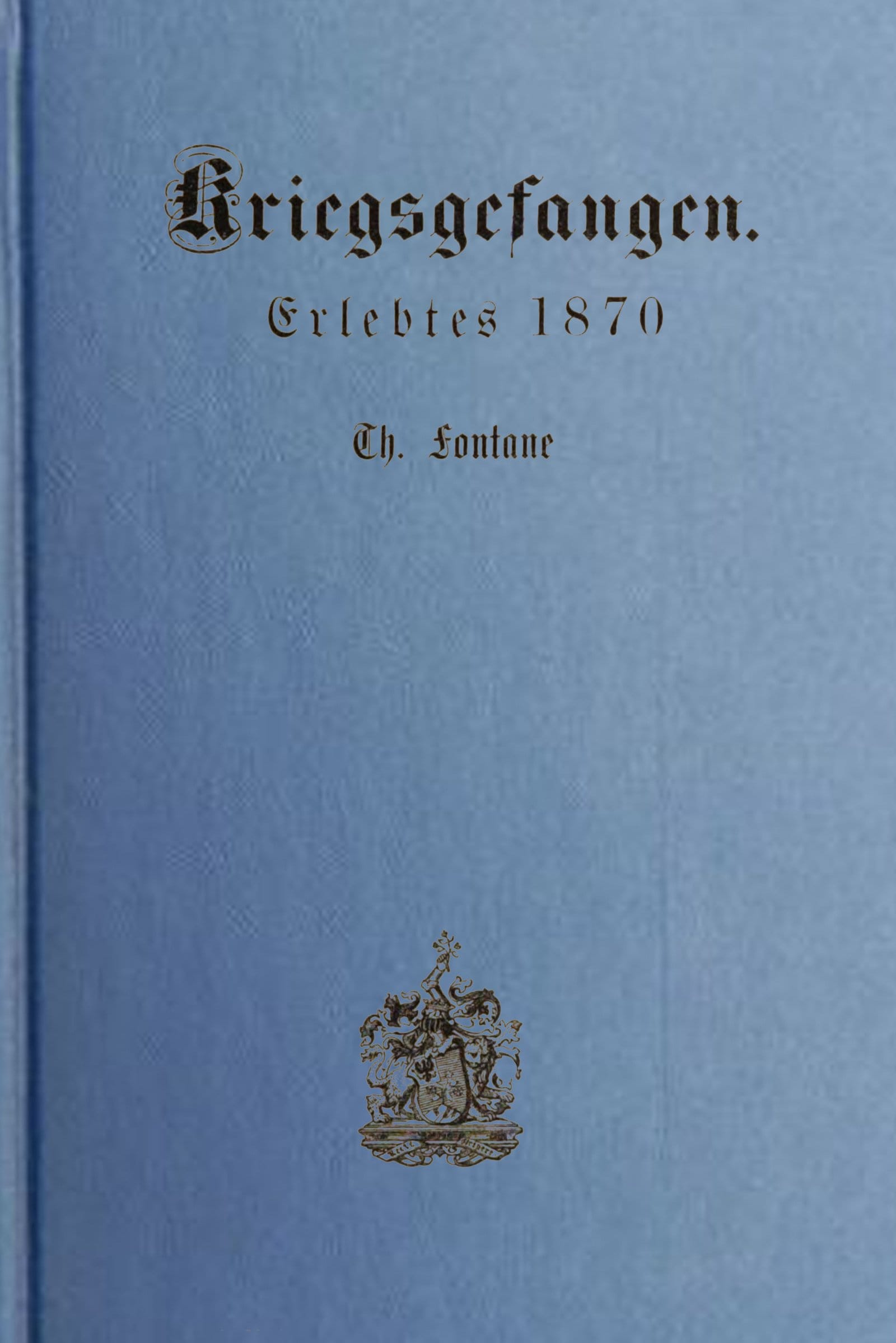
Kriegsgefangen: Erlebtes 1870.
1871
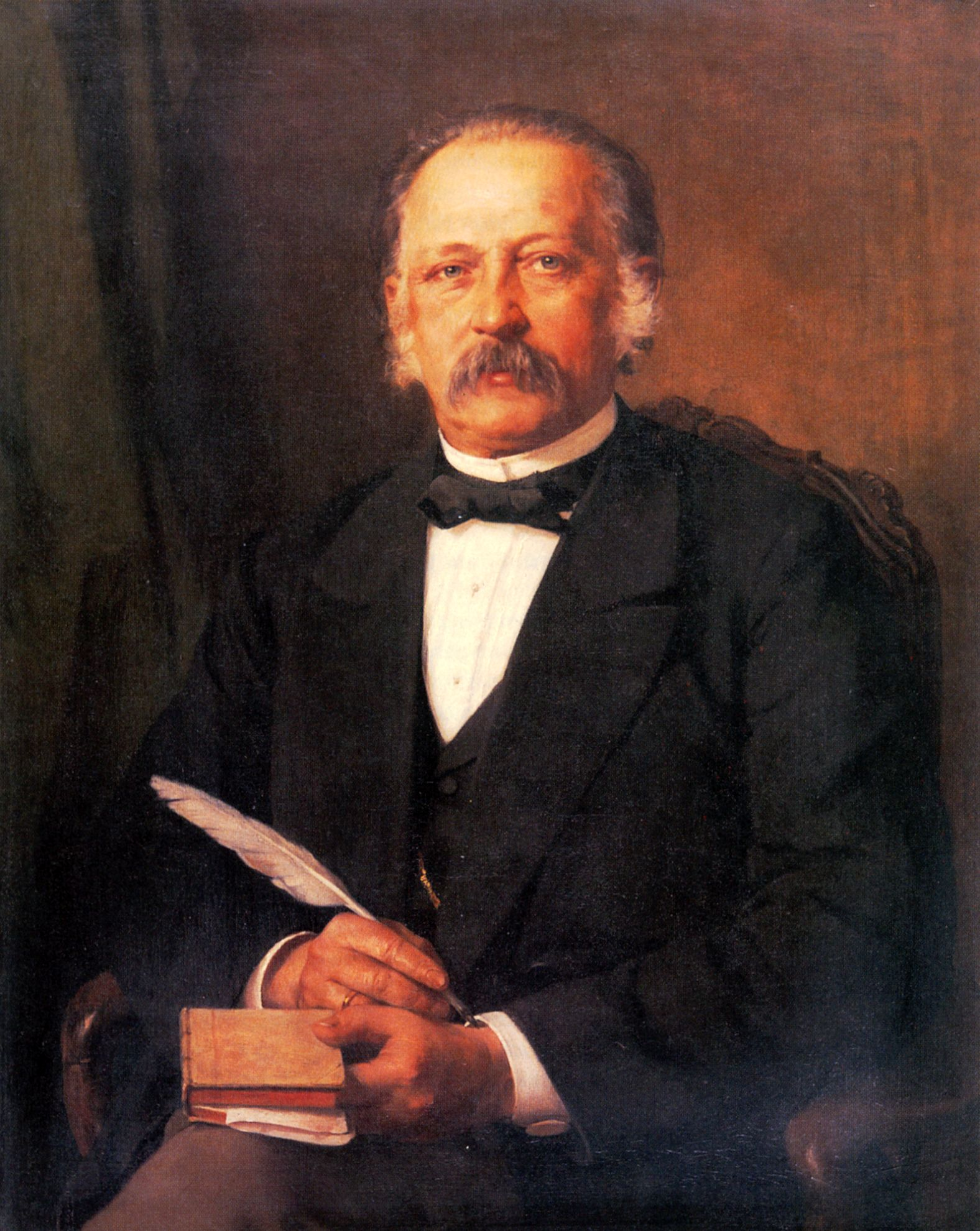
Theodor Fontane, the great German novelist who would later write masterpieces like "Effi Briest," here offers his dispatches from the Franco-Prussian War of 1870. But this is no ordinary war correspondence. Fontane finds himself in occupied France, traveling toward Domremy-la-Pucelle, the birthplace of Joan of Arc, when circumstances shift from curious tourism to something far more precarious. He is detained, questioned, his identity scrutinized. What transforms this account into something remarkable is the writer's calm, precise eye recording how war turns ordinary moments into something charged with anxiety and strange beauty. The French landscape becomes both familiar and alien; every encounter carries潜在的危险 beneath its surface politeness, the sick woman struggling with transportation, the officials studying his passport, the villages that refuse to acknowledge the conflict tearing through them. Fontane captures the peculiar position of the enemy alien: neither combatant nor civilian, suspended in a space of suspicion and uncertain belonging. This is the work of a master in embryo, watching a great literary sensibility learn to see under the pressure of history.
Editions
Link to this book
Add a free, dofollow link to Lex on your blog, forum, syllabus, or reading list.

<a href="https://lex-books.com/book/kriegsgefangen-erlebtes-1870-2504a15f-c5ce-44da-8483-980da9a3dccf"><img src="https://lex-books.com/badges/read-on-lex.svg" alt="Read Kriegsgefangen: Erlebtes 1870. by Theodor Fontane free on Lex" width="160" height="40"></a>[](https://lex-books.com/book/kriegsgefangen-erlebtes-1870-2504a15f-c5ce-44da-8483-980da9a3dccf)[url=https://lex-books.com/book/kriegsgefangen-erlebtes-1870-2504a15f-c5ce-44da-8483-980da9a3dccf][img]https://lex-books.com/badges/read-on-lex.svg[/img][/url]Read Kriegsgefangen: Erlebtes 1870. by Theodor Fontane free on Lex: https://lex-books.com/book/kriegsgefangen-erlebtes-1870-2504a15f-c5ce-44da-8483-980da9a3dccfCite this book
Reading this edition for a paper or guide? Copy a citation.
Fontane, Theodor. Kriegsgefangen: Erlebtes 1870.. Lex, lex-books.com/book/kriegsgefangen-erlebtes-1870-2504a15f-c5ce-44da-8483-980da9a3dccf.Fontane, T. (1871). Kriegsgefangen: Erlebtes 1870.. Lex. https://lex-books.com/book/kriegsgefangen-erlebtes-1870-2504a15f-c5ce-44da-8483-980da9a3dccfFontane, Theodor. Kriegsgefangen: Erlebtes 1870.. Lex. https://lex-books.com/book/kriegsgefangen-erlebtes-1870-2504a15f-c5ce-44da-8483-980da9a3dccf.