German Fiction
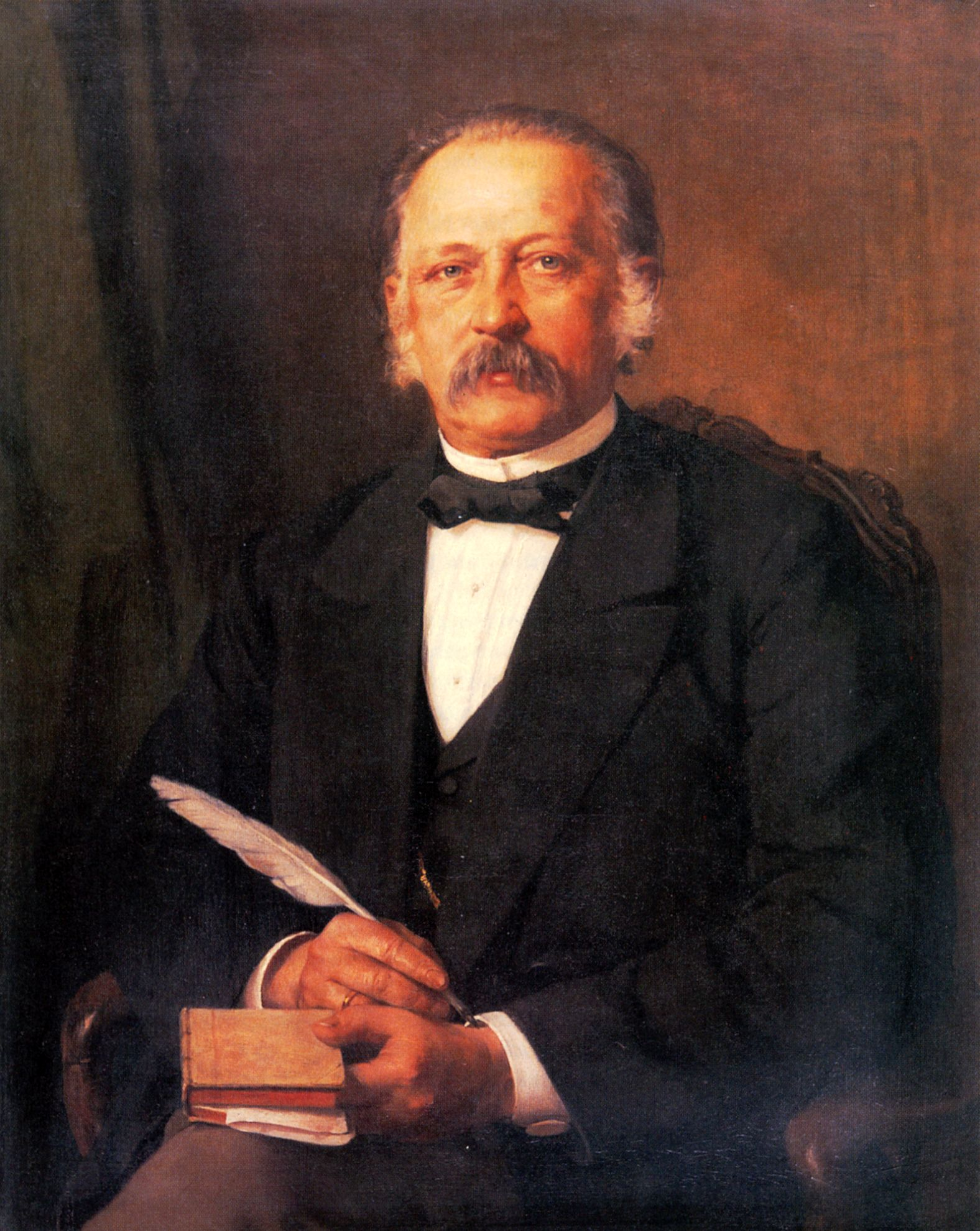
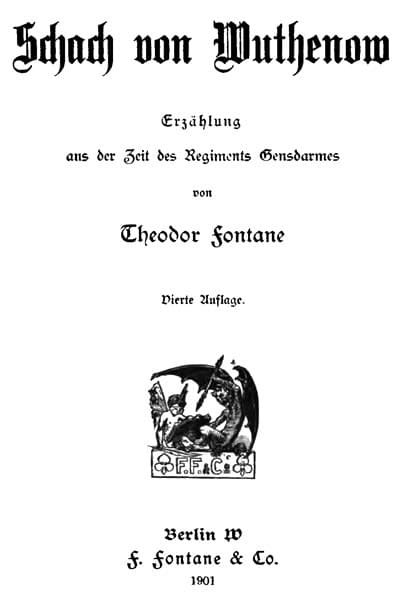
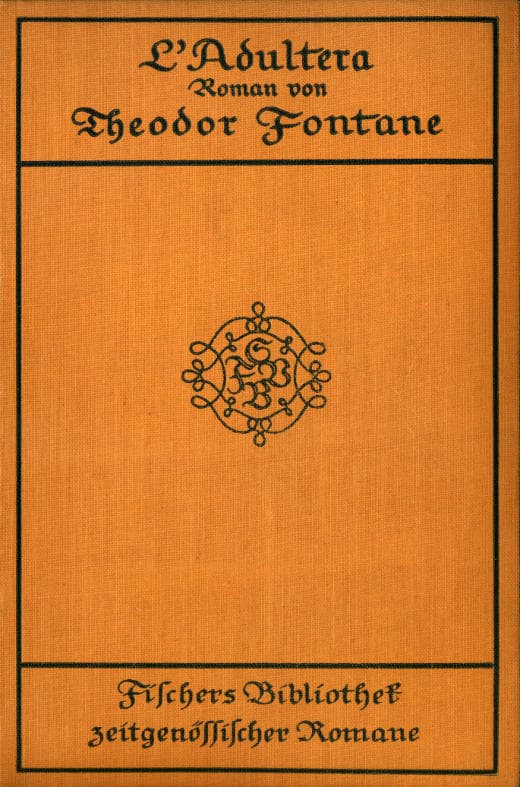
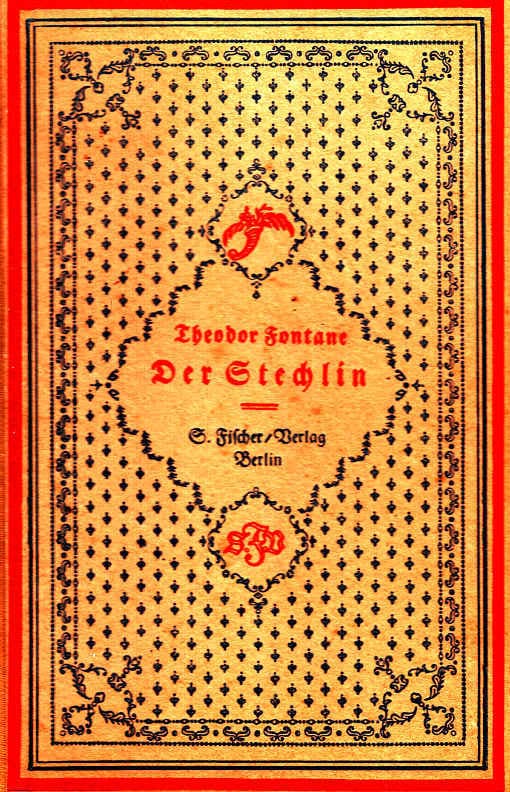
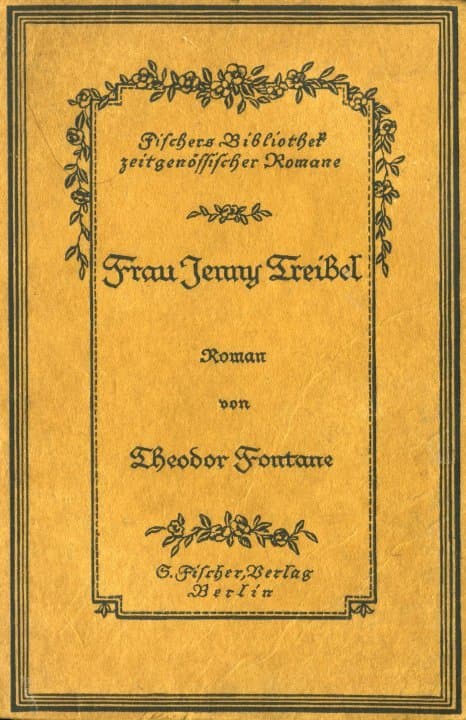
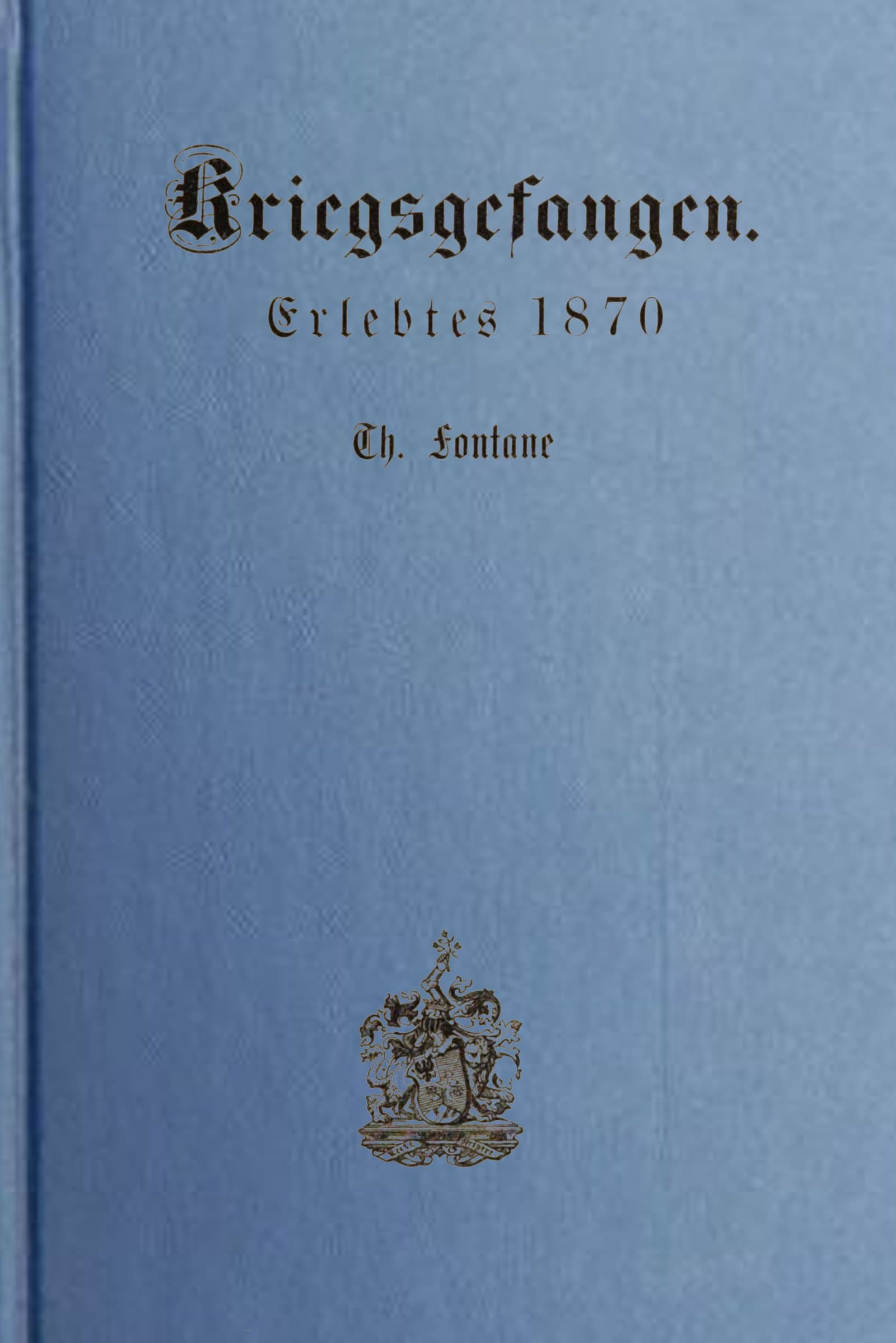
This collection gathers four masterpieces of German Realism, each a jewel of psychological subtlety and emotional precision. From Goethe's revolutionary epistolary novel about a young man's consuming passion that bends toward tragedy, to Keller's darkly ironic tale of well-meaning men whose virtue proves more destructive than vice, to Storm's haunting ghost story of obsession and the sea, and Fontane's devastating portrait of a woman trapped by convention. These works share a fascination with the interior life: the unsaid feelings, the social masks, the quiet catastrophes that unfold not in battlefields but in drawing rooms and hearts. German fiction of this era preferred the slow burn of inner conflict to the fireworks of external drama, and these four novellas demonstrate that precision beautifully. They ask what it means to want too much, to love the wrong person, to be haunted by what we cannot have. For readers who find psychological depth more thrilling than plot machinery, this anthology is essential.
Editions
X-Ray
“What is the destiny of man, but to fill up the measure of his sufferings, and to drink his allotted cup of bitterness? And if that same cup proved bitter to the God of heaven, under a human form, why should I affect a foolish pride, and call it sweet? Why should I be ashamed of shrinking at that fearful moment when my whole being will tremble between existence and annihilation; when a remembrance of the past, like a flash of lightning, will illuminate the dark gulf of futurity; when everything shall dissolve around me, and the whole world vanish away?””
— Theodor Fontane
“Alas! the void--the fearful void, which I feel in my bosom! Sometimes I think, if I could only once--but once, press her to my heart, this dreadful void would be filled. Oct.””
— Theodor Fontane
“am not alone unfortunate. All men are disappointed in their hopes, and deceived in their expectations.””
— Theodor Fontane
“I have become far better satisfied with myself. For we are so constituted by nature, that we are ever prone to compare ourselves with others; and our happiness or misery depends very much on the objects and persons around us. On this account nothing is more dangerous than solitude; there our imagination, always disposed to rise, taking a new flight on the wings of fancy, pictures to us a chain of beings of whom we seem the most inferior. All things appear greater than they really are, and all seem superior to us. This operation of the mind is quite natural; we so continually feel our own imperfections, and fancy we perceive in others the qualities we do not possess, attributing to them also all that we enjoy ourselves, that by this process we form the idea of a perfect, happy man,--a man, however, who only exists in our own imagination. But””
— Theodor Fontane
“From the inaccessible mountains, across the desert which no mortal foot has trod, far as the confines of the unknown ocean, breathes the spirit of the eternal Creator; and every atom to which he has given existence finds favour in his sight. Ah, how often at that time has the flight of a bird, soaring above my head, inspired me with the desire of being transported to the shores of the immeasurable waters, there to quaff the pleasures of life from the foaming goblet of the Infinite, and to partake, if but for a moment even, with the confined powers of my soul, the beatitude of that Creator who accomplishes all things in himself, and through himself! My dear friend, the bare recollection of those hours still consoles me. Even this effort to recall those ineffable sensations, and give them utterance, exalts my soul above itself, and makes me doubly feel the intensity of my present anguish. It””
— Theodor Fontane
“Human nature," I continued, "has its limits. It is able to endure a certain degree of joy, sorrow, and pain, but becomes annihilated as soon as this measure is exceeded. The question, therefore, is, not whether a man is strong or weak, but whether he is able to endure the measure of his sufferings. The suffering may be moral or physical; and in my opinion it is just as absurd to call a man a coward who destroys himself, as to call a man a coward who dies of a malignant fever." "Paradox,””
— Theodor Fontane
“If I were not a fool, I could spend the happiest and most delightful life here. So many agreeable circumstances, and of a kind to insure a worthy man's happiness, are seldom united. Alas! I feel it too sensibly,--the heart alone makes our happiness! To be admitted into this most charming family, to be loved by the father as a son, by the children as a father, and by Charlotte!--then the noble Albert, who never disturbs my happiness by any appearance of ill-humour, receiving me with the heartiest affection, and loving me, next to Charlotte, better than all the world! Wilhelm, you would be delighted to hear us in our rambles, and conversations about Charlotte. Nothing in the world can be more absurd than our connection, and yet the thought of it often moves me to tears. He””
— Theodor Fontane
“Wilhelm, what is the world to our hearts without love? What is a magic-lantern without light? You have but to kindle the flame within, and the brightest figures shine on the white wall; and if love only show us fleeting shadows, we are yet happy, when, like mere children, we behold them, and are transported with the splendid phantoms. I””
— Theodor Fontane
“We should deal with children as God deals with us,--we are happiest under the influence of innocent delusions. July””
— Theodor Fontane
Link to this book
Add a free, dofollow link to Lex on your blog, forum, syllabus, or reading list.

<a href="https://lex-books.com/book/german-fiction-0af5d28e-0475-40c3-b640-f00d527198fb"><img src="https://lex-books.com/badges/read-on-lex.svg" alt="Read German Fiction by Theodor Fontane free on Lex" width="160" height="40"></a>[](https://lex-books.com/book/german-fiction-0af5d28e-0475-40c3-b640-f00d527198fb)[url=https://lex-books.com/book/german-fiction-0af5d28e-0475-40c3-b640-f00d527198fb][img]https://lex-books.com/badges/read-on-lex.svg[/img][/url]Read German Fiction by Theodor Fontane free on Lex: https://lex-books.com/book/german-fiction-0af5d28e-0475-40c3-b640-f00d527198fbCite this book
Reading this edition for a paper or guide? Copy a citation.
Fontane, Theodor. German Fiction. Lex, lex-books.com/book/german-fiction-0af5d28e-0475-40c3-b640-f00d527198fb.Fontane, T. (n.d.). German Fiction. Lex. https://lex-books.com/book/german-fiction-0af5d28e-0475-40c3-b640-f00d527198fbFontane, Theodor. German Fiction. Lex. https://lex-books.com/book/german-fiction-0af5d28e-0475-40c3-b640-f00d527198fb.