Peukaloisen Retket Villihanhien Seurassa
1906
Peukaloisen Retket Villihanhien Seurassa
1906
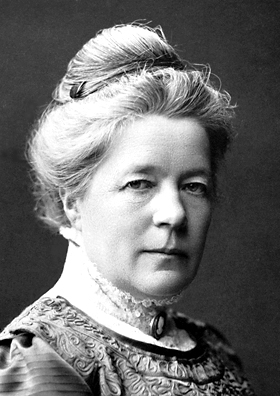
A mischievous fourteen-year-old boy lies lazy at home while his parents attend church, only to find himself shrunk to the size of a goblin after disturbing a mysterious creature in his mother's chest. Thus begins an extraordinary journey across the Scandinavian wilderness as the tiny boy rides on the backs of wild geese, migrating from southern lands to the far north and back again. Along the way, he encounters forest creatures, a sunken city beneath the waves, and giants from ancient folk tales each encounter reshaping his understanding of the world and his place in it. What starts as a punishment for idle mischief becomes a profound education in empathy, courage, and the interconnectedness of all living things. Lagerlöf, the first woman to win the Nobel Prize in Literature, weaves Swedish folklore with timeless coming-of-age storytelling, creating a fantasy that feels both wildly imaginative and deeply rooted in the natural world. A century later, this tale retains its magic: it speaks to anyone who has ever felt small against the bigness of life, and dreamed of finding a way to fly.
Editions
X-Ray
“Assim manda a justiça - a inteligência e a sabedoria foram e são ainda hoje as qualidades que transformam o mendigo em príncipe.””
— Selma Lagerlöf
“quanto mais coisas vos entrarem na cabeça, tanto mais espaço fica para outras.””
— Selma Lagerlöf
“Dagegen fühlten jetzt alle, die Beflügelten und die Flügellosen, einen Drangin sich, ungeheuer hoch hinaufzusteigen, ja bis über die Wolken hinauf, um zu sehen,was sich darüber befinde, einen Drang, den schweren Körper zu verlassen,der sie auf die Erde hinabzog, und nach dem Überirdischen hinzuschweben.””
— Selma Lagerlöf
“Inte stort dugde han till: han hade mest av alltlust att sova och äta, och därnäst tyckte han om att ställa till odygd.””
— Selma Lagerlöf
“ما أغرب البشر و ما أقساهم ، إنهم لا يعلمون ما يفعلون””
— Selma Lagerlöf
“É mais fácil voar alto do que baixo (...) é mais fácil voar depressa do que devagar.””
— Selma Lagerlöf
Link to this book
Add a free, dofollow link to Lex on your blog, forum, syllabus, or reading list.

<a href="https://lex-books.com/book/peukaloisen-retket-villihanhien-seurassa-41613dc4-75ef-419d-98e0-9ff087c0fba6"><img src="https://lex-books.com/badges/read-on-lex.svg" alt="Read Peukaloisen Retket Villihanhien Seurassa by Selma Lagerlöf free on Lex" width="160" height="40"></a>[](https://lex-books.com/book/peukaloisen-retket-villihanhien-seurassa-41613dc4-75ef-419d-98e0-9ff087c0fba6)[url=https://lex-books.com/book/peukaloisen-retket-villihanhien-seurassa-41613dc4-75ef-419d-98e0-9ff087c0fba6][img]https://lex-books.com/badges/read-on-lex.svg[/img][/url]Read Peukaloisen Retket Villihanhien Seurassa by Selma Lagerlöf free on Lex: https://lex-books.com/book/peukaloisen-retket-villihanhien-seurassa-41613dc4-75ef-419d-98e0-9ff087c0fba6Cite this book
Reading this edition for a paper or guide? Copy a citation.
Lagerlöf, Selma. Peukaloisen Retket Villihanhien Seurassa. Lex, lex-books.com/book/peukaloisen-retket-villihanhien-seurassa-41613dc4-75ef-419d-98e0-9ff087c0fba6.Lagerlöf, S. (1906). Peukaloisen Retket Villihanhien Seurassa. Lex. https://lex-books.com/book/peukaloisen-retket-villihanhien-seurassa-41613dc4-75ef-419d-98e0-9ff087c0fba6Lagerlöf, Selma. Peukaloisen Retket Villihanhien Seurassa. Lex. https://lex-books.com/book/peukaloisen-retket-villihanhien-seurassa-41613dc4-75ef-419d-98e0-9ff087c0fba6.