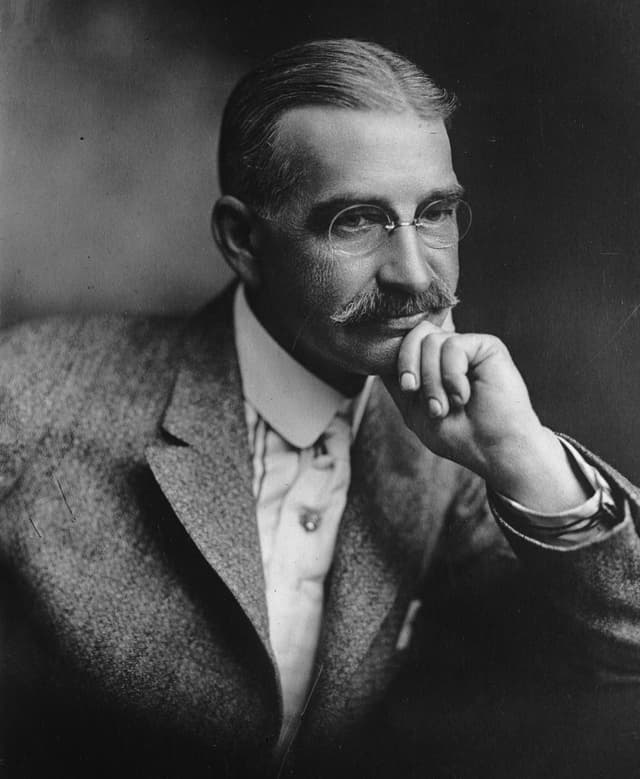
L. Frank Baum
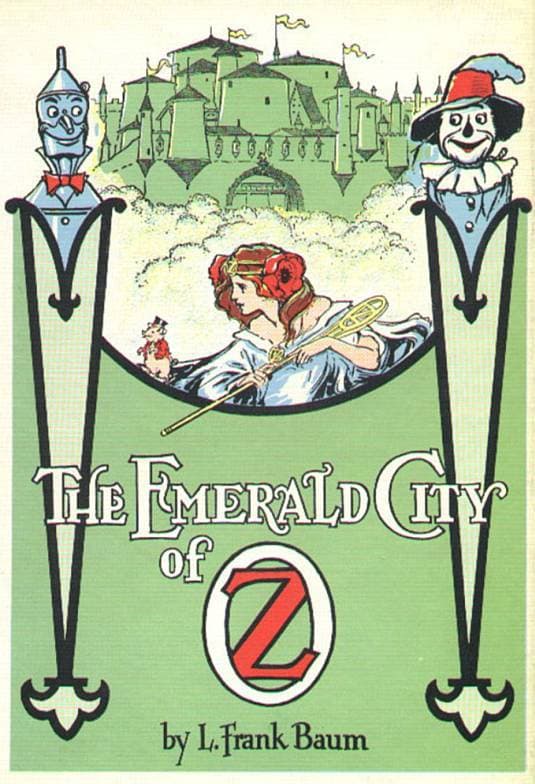
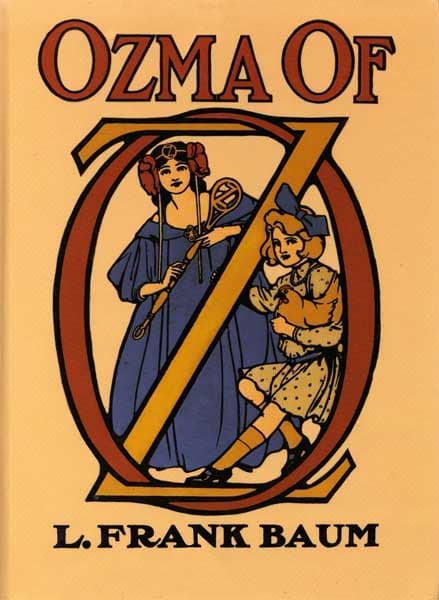
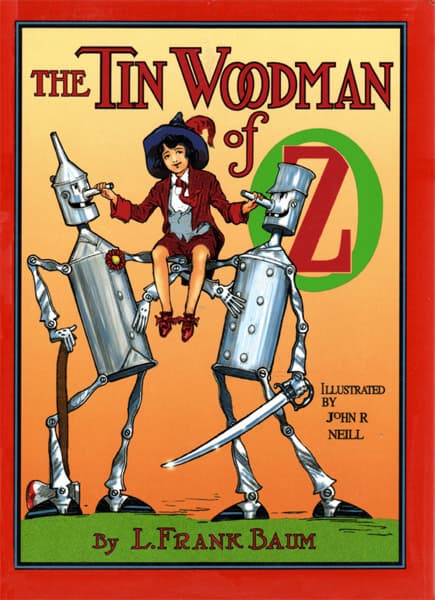
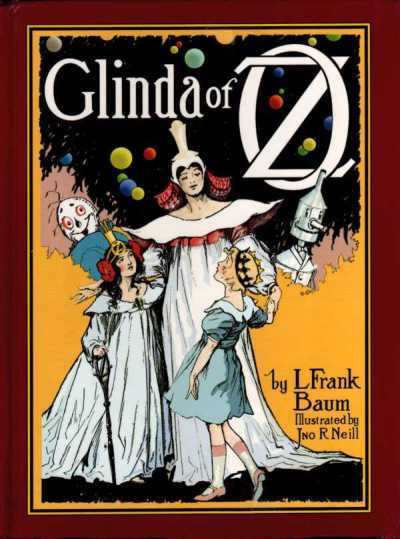
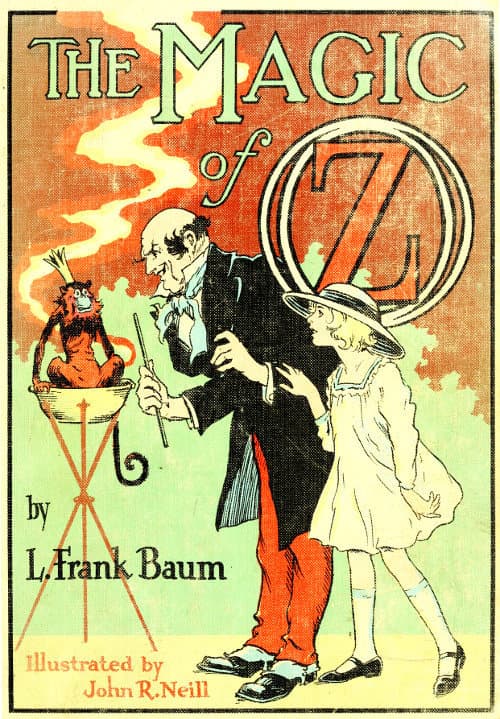
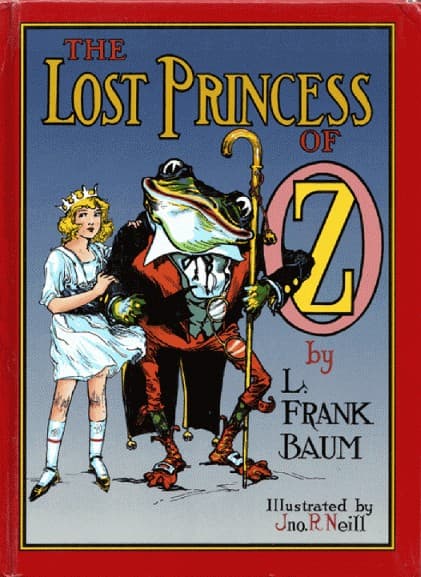
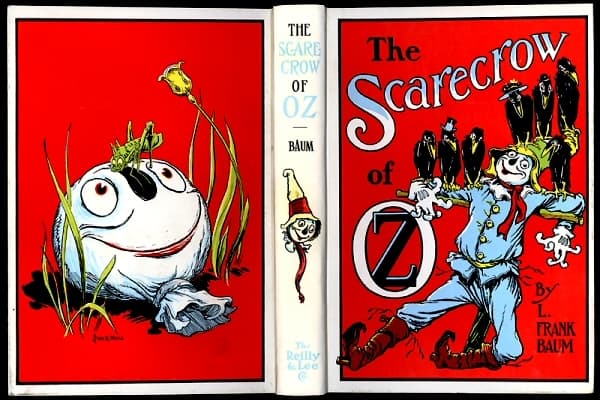
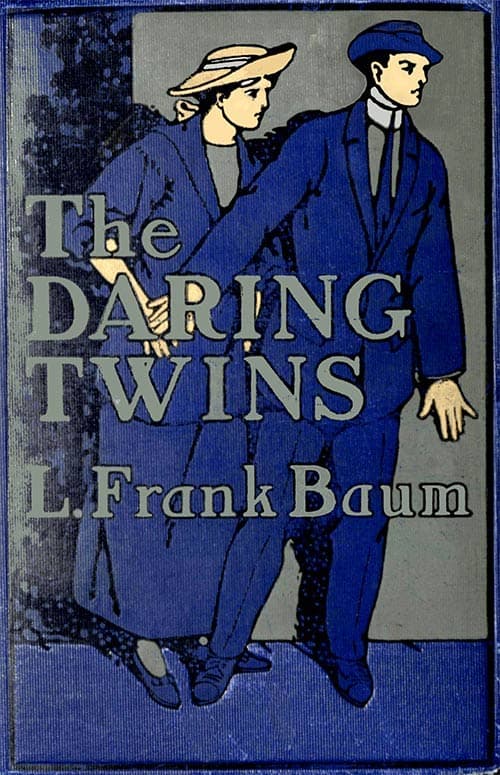
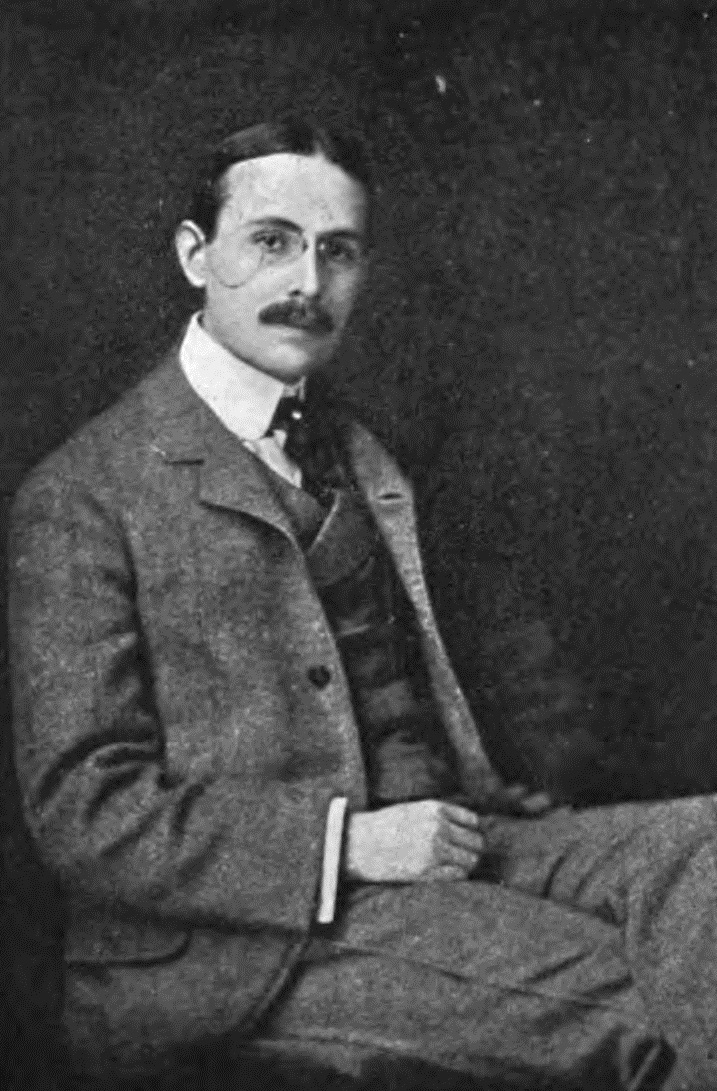
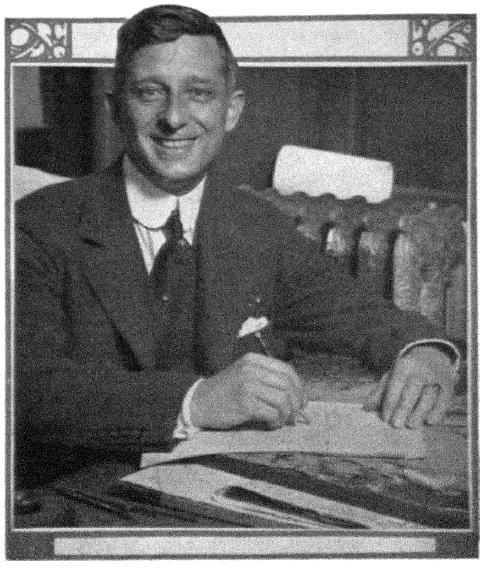
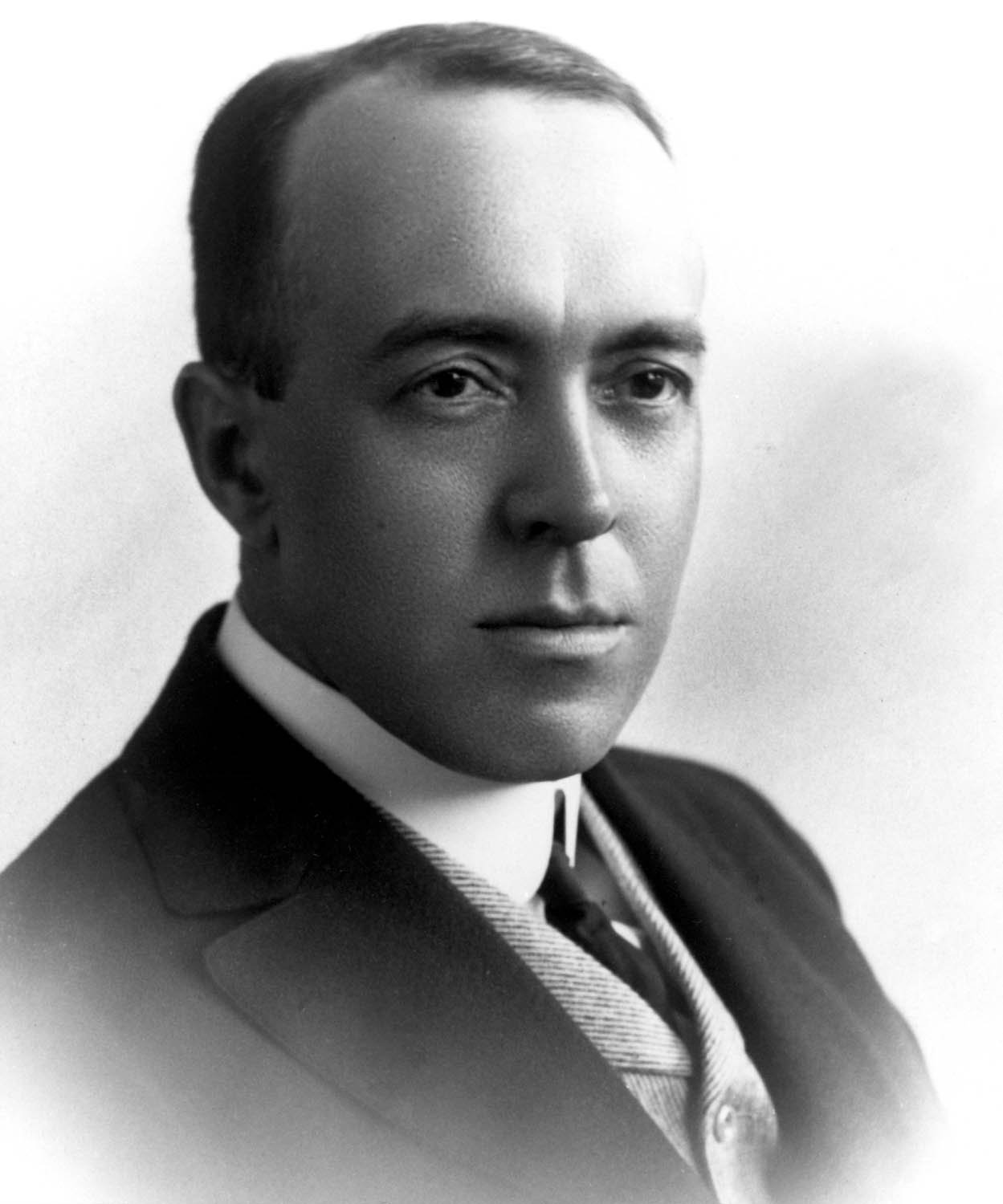
Lyman Frank Baum was an American author celebrated for his contributions to children's literature, particularly through his iconic series, The Wonderful Wizard of Oz. Published in 1900, this groundbreaking work introduced readers to the fantastical land of Oz, featuring memorable characters such as Dorothy, the Scarecrow, and the Tin Man. Baum's imaginative storytelling and vivid world-building set a new standard for children's fantasy, influencing countless authors and adaptations in the genre. Over his prolific career, he wrote 14 Oz books, along with 41 other novels, 83 short stories, and over 200 poems, showcasing his versatility and creativity. In addition to his literary achievements, Baum was an innovator in the realm of stage and screen, making numerous attempts to adapt his works for performance. His most famous adaptation, the 1939 film version of The Wonderful Wizard of Oz, became a cultural touchstone and remains a beloved classic in American cinema. Baum's legacy endures not only through his enchanting tales but also through the enduring popularity of the Oz franchise, which continues to inspire adaptations and reinterpretations in various media, solidifying his place as a pioneer in children's fantasy literature.
Famous Quotes
View all 89 quotes“As they passed the rows of houses they saw through the open doors that men were sweeping and dusting and washing dishes, while the women sat around in groups, gossiping and laughing.What has happened?' the Scarecrow asked a sad-looking man with a bushy beard, who wore an apron and was wheeling a baby carriage along the sidewalk.Why, we've had a revolution, your Majesty -- as you ought to know very well,' replied the man; 'and since you went away the women have been running things to suit themselves. I'm glad you have decided to come back and restore order, for doing housework and minding the children is wearing out the strength of every man in the Emerald City.'Hm!' said the Scarecrow, thoughtfully. 'If it is such hard work as you say, how did the women manage it so easily?'I really do not know,' replied the man, with a deep sigh. 'Perhaps the women are made of cast-iron.”
“I think,' said the little Queen, smiling, 'that your friend must be the richest man in all the world.' 'I am,' returned the Scarecrow; 'but not on account of my money. For I consider brains to be far superior to money, in every way. You may have noticed that if one has money without brains, he cannot use it to advantage; but if one has brains without money, they will enable him to live comfortably to the end of days.' 'At the same time,' declared the Tin Woodman, 'you must acknowledge that a good heart is a thing that brains cannot create, and that money cannot buy. Perhaps, after all it is I who am the richest man in all the world.' 'You are both rich, my friends,' said Ozma gently; 'and your riches are the only riches worth having - the riches of content!' - The Marvellous Land Of Oz by L. Frank Baum pg 192 chapter 24”
“Imagination has brought mankind through the Dark Ages to its present state of civilization. Imagination led Columbus to discover America. Imagination led Franklin to discover electricity. Imagination has given us the steam engine, the telephone, the talking-machine and the automobile, for these things had to be dreamed of before they became realities. So I believe that dreams - day dreams, you know, with your eyes wide open and your brain-machinery whizzing - are likely to lead to the betterment of the world. The imaginative child will become the imaginative man or woman most apt to create, to invent, and therefore to foster civilization.”
Books from the author
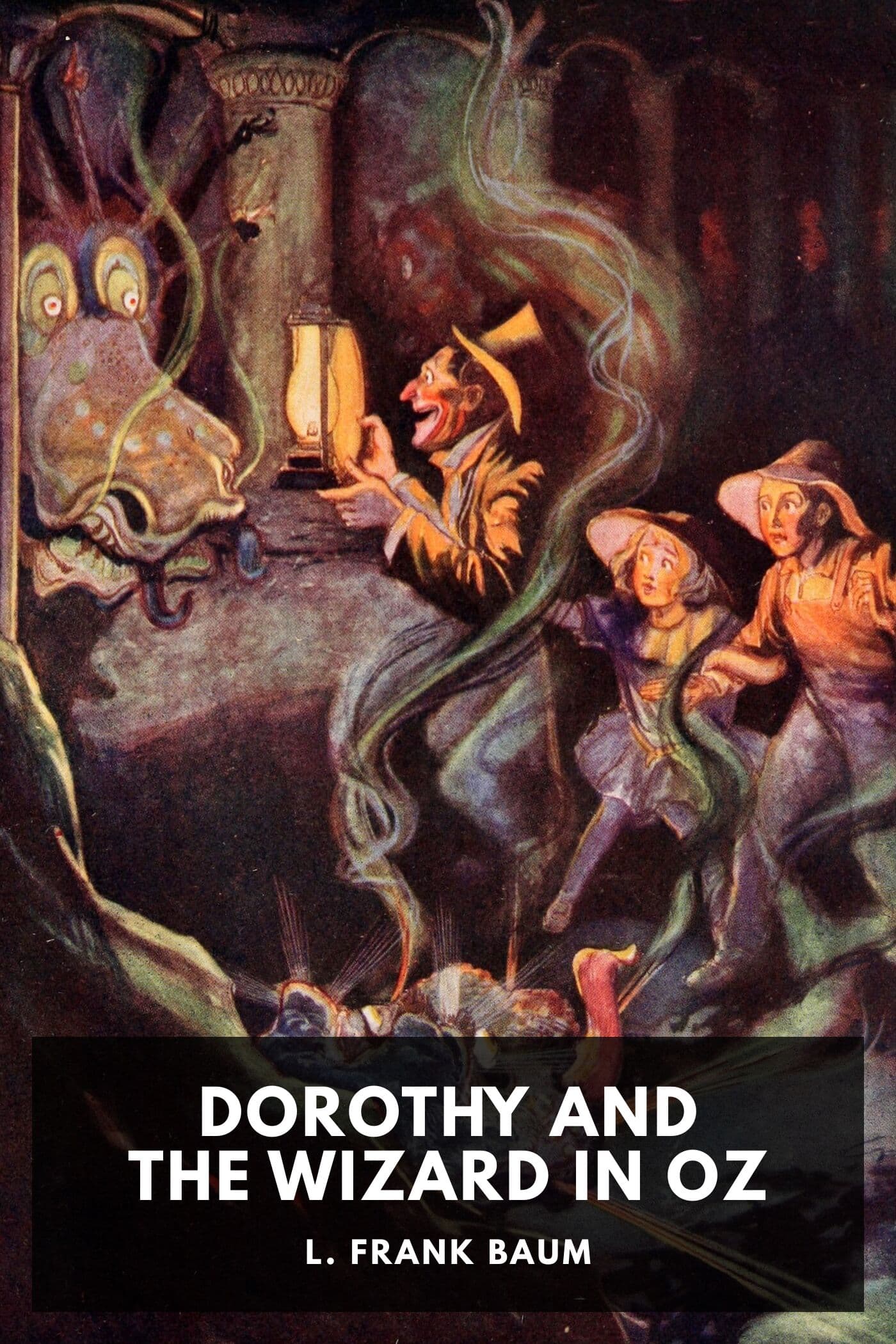


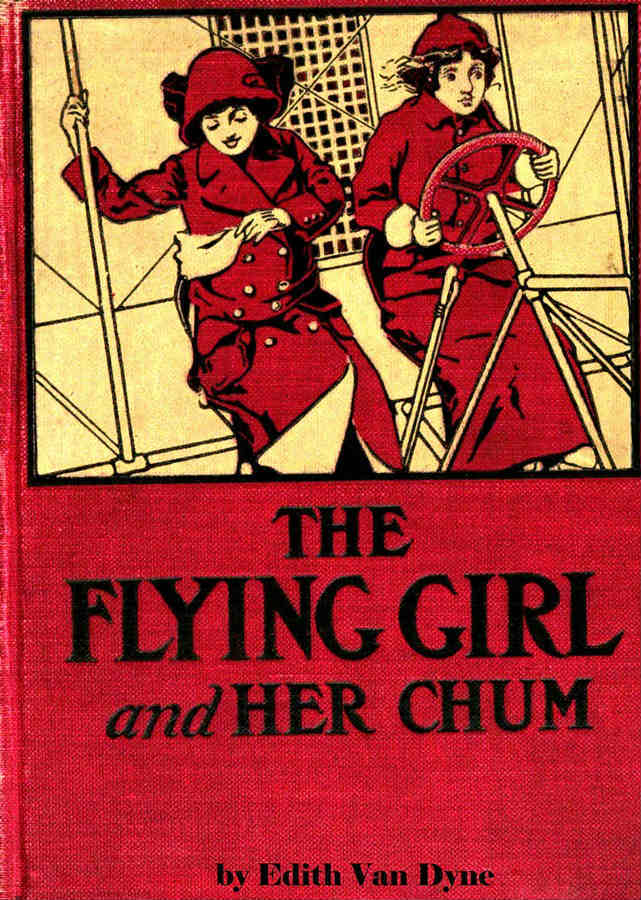
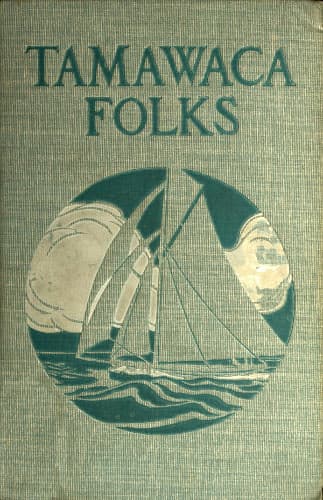


Link to this page
Add a free, dofollow link to Lex on your blog, forum, syllabus, or reading list.

<a href="https://lex-books.com/author/l-frank-baum"><img src="https://lex-books.com/badges/read-on-lex.svg" alt="L. Frank Baum on Lex" width="160" height="40"></a>[](https://lex-books.com/author/l-frank-baum)[url=https://lex-books.com/author/l-frank-baum][img]https://lex-books.com/badges/read-on-lex.svg[/img][/url]L. Frank Baum on Lex: https://lex-books.com/author/l-frank-baum