
Rutherford Birchard Hayes
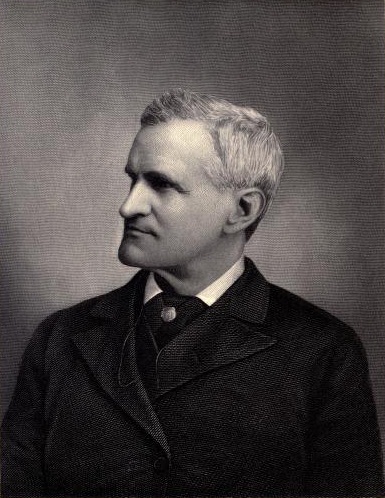
Rutherford Birchard Hayes was the 19th president of the United States, serving from 1877 to 1881. Born in Ohio, he began his career as a city solicitor in Cincinnati, where he gained a reputation as a staunch abolitionist, defending refugee slaves in court. When the Civil War erupted, Hayes left his political ambitions to join the Union army, where he demonstrated remarkable bravery, earning five wounds and rising to the rank of brevet major general. After the war, he became a prominent figure in the Republican Party, known for his moderate stance and commitment to meritocracy and equal treatment under the law. Hayes's presidency was marked by the contentious 1876 election, where he won the presidency despite losing the popular vote to Samuel J. Tilden. The election was resolved through the Compromise of 1877, which not only awarded Hayes the presidency but also led to the withdrawal of federal troops from the South, effectively ending Reconstruction. His administration faced significant challenges, including the Great Railroad Strike of 1877, which he addressed by deploying federal troops, resulting in one of the deadliest conflicts between workers and strikebreakers in American history. Hayes's legacy includes his efforts to promote civil service reform and his belief in a government that treated all citizens equally, regardless of their background.
Famous Quotes
View all 3 quotes“The real difficulty is with the vast wealth and power in the hands of the few and the unscrupulous who represent or control capital. Hundreds of laws of Congress and the state legislatures are in the interest of these men and against the interests of workingmen. These need to be exposed and repealed. All laws on corporations, on taxation, on trusts, wills, descent, and the like, need examination and extensive change. This is a government of the people, by the people, and for the people no longer. It is a government of corporations, by corporations, and for corporations.””
“Unjust attacks on public men do them more good than unmerited praise. They are hurt less by undeserved censure than by undeserved commendation. Abuse helps; often praise hurts.””
“In church it occurred to me that it is time for the public to hear that the giant evil and danger in this country, the danger which transcends all others, is the vast wealth owned or controlled by a few persons. Money is power. In Congress, in state legislatures, in city councils, in the courts, in the political conventions, in the press, in the pulpit, in the circles of the educated and the talented, its influence is growing greater and greater. Excessive wealth in the hands of the few means extreme poverty, ignorance, vice, and wretchedness as the lot of the many. It is not yet time to debate about the remedy. The previous question is as to the danger”
Books from the author


Link to this page
Add a free, dofollow link to Lex on your blog, forum, syllabus, or reading list.

<a href="https://lex-books.com/author/rutherford-birchard-hayes"><img src="https://lex-books.com/badges/read-on-lex.svg" alt="Rutherford Birchard Hayes on Lex" width="160" height="40"></a>[](https://lex-books.com/author/rutherford-birchard-hayes)[url=https://lex-books.com/author/rutherford-birchard-hayes][img]https://lex-books.com/badges/read-on-lex.svg[/img][/url]Rutherford Birchard Hayes on Lex: https://lex-books.com/author/rutherford-birchard-hayes