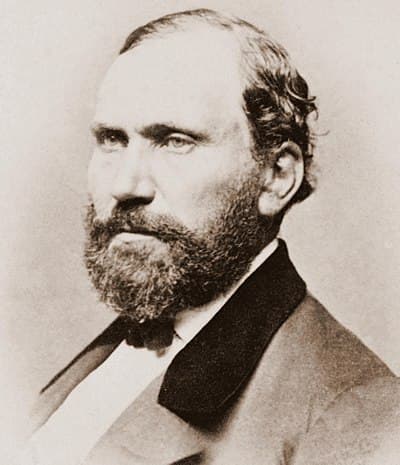
Allan Pinkerton
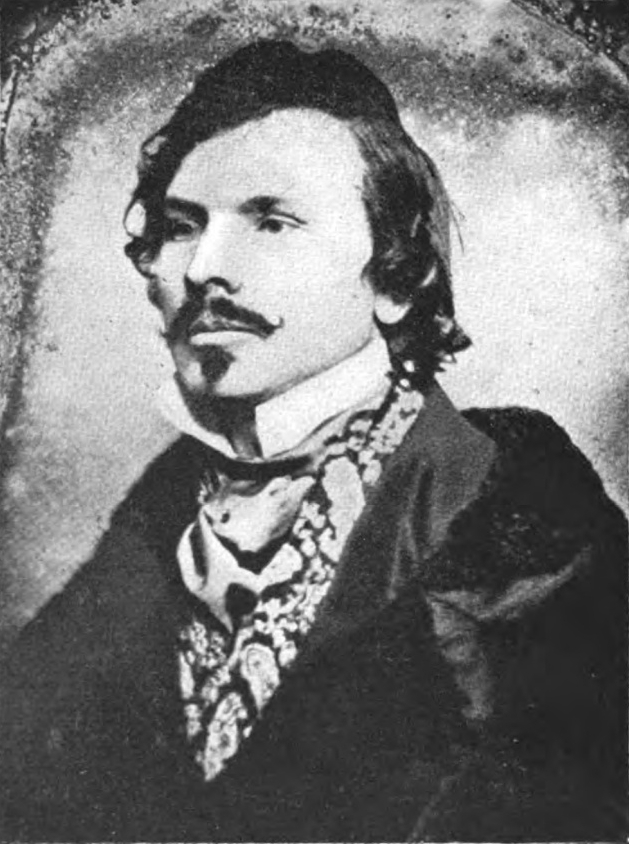
Allan Pinkerton was a Scottish-American detective and abolitionist renowned for founding the Pinkerton National Detective Agency, which became a pivotal force in American law enforcement and private security. Born in Scotland, Pinkerton immigrated to the United States, where he initially worked as a cooper before turning his attention to law enforcement. His agency gained fame for its role in thwarting an alleged assassination plot against President-elect Abraham Lincoln in 1861, marking the beginning of its involvement in national security matters. During the Civil War, Pinkerton provided military intelligence to the Union Army, although some of his reports, particularly regarding enemy troop strength, were criticized for their inaccuracies. After the war, Pinkerton's agency became notorious for its involvement in labor disputes, often acting as strikebreakers. The agency's tactics during events like the Great Railroad Strike of 1877 drew both support and condemnation, reflecting the contentious nature of labor relations in the post-war era. Pinkerton's legacy is complex; while he is credited with pioneering modern detective work and private security, his agency's role in suppressing labor movements has sparked debate about the ethical implications of his methods. Overall, Pinkerton's contributions to law enforcement and his controversial legacy continue to influence discussions about security and labor rights in America.
Famous Quotes
View all 1 quotes“Vice may triumph for a time, crime may flaunt its victories in the face of honest toilers, but in the end the law will follow the wrong-doer to a bitter fate, and dishonor and punishment will be the portion of those who sin.”
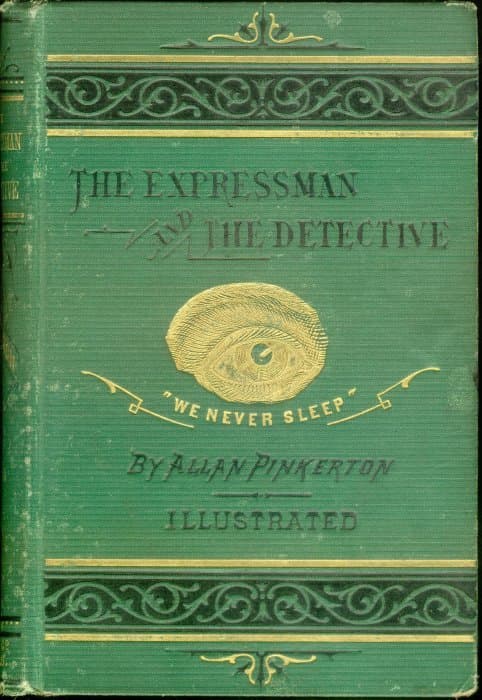
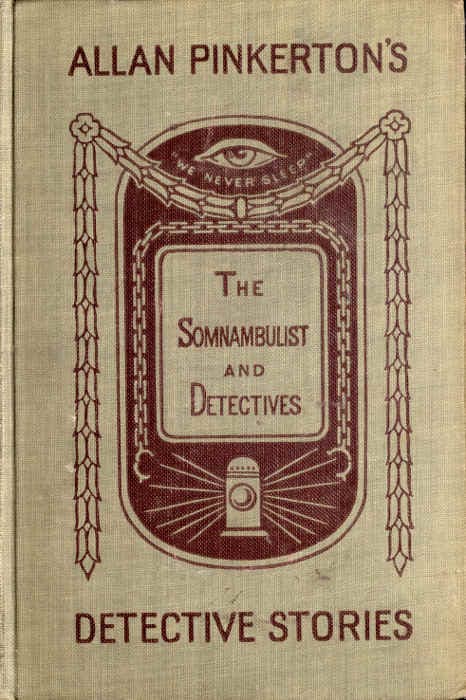
Books from the author








Link to this page
Add a free, dofollow link to Lex on your blog, forum, syllabus, or reading list.

<a href="https://lex-books.com/author/allan-pinkerton"><img src="https://lex-books.com/badges/read-on-lex.svg" alt="Allan Pinkerton on Lex" width="160" height="40"></a>[](https://lex-books.com/author/allan-pinkerton)[url=https://lex-books.com/author/allan-pinkerton][img]https://lex-books.com/badges/read-on-lex.svg[/img][/url]Allan Pinkerton on Lex: https://lex-books.com/author/allan-pinkerton