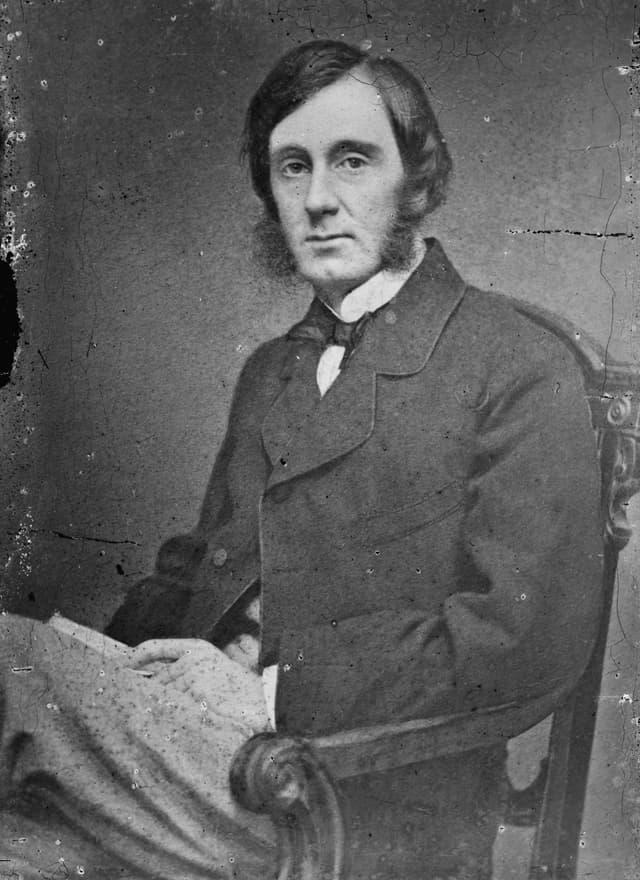
George William Curtis
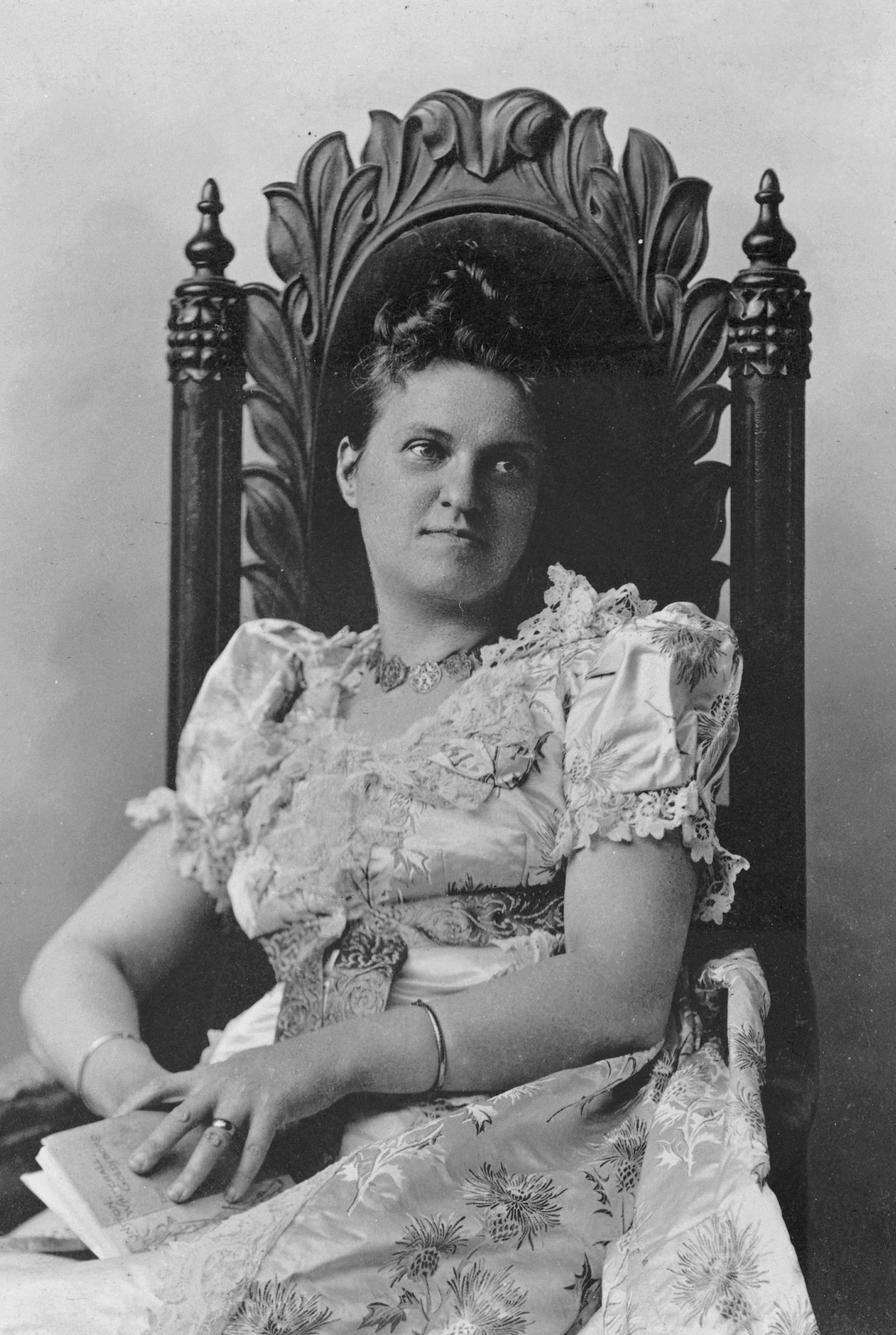
George William Curtis was an influential American writer and reformer known for his advocacy on various social issues in the 19th century. Born in Providence, Rhode Island, he emerged as a prominent voice in the abolitionist movement, passionately supporting civil rights for both African Americans and Native Americans. His commitment to social justice extended to women's suffrage, civil service reform, and the promotion of public education, reflecting his belief in the importance of equality and access to opportunity for all individuals. Curtis's literary contributions included essays, speeches, and editorials that articulated his progressive ideals. He was a notable figure in the literary and political landscape of his time, with works such as "The Potiphar Papers" and "Prue and I" showcasing his wit and social commentary. His writings not only entertained but also challenged societal norms, making him a significant figure in American literature and reform movements. Curtis's legacy endures as a testament to his dedication to social change and his role in shaping public discourse around civil rights and education during a transformative period in American history.
Famous Quotes
View all 2 quotes“A man's country is not a certain area of land, of mountains, rivers, and woods, but it is a principle; and patriotism is loyalty to that principle.”
“Books are the ever burning lamps of accumulated wisdom.”
Books from the author


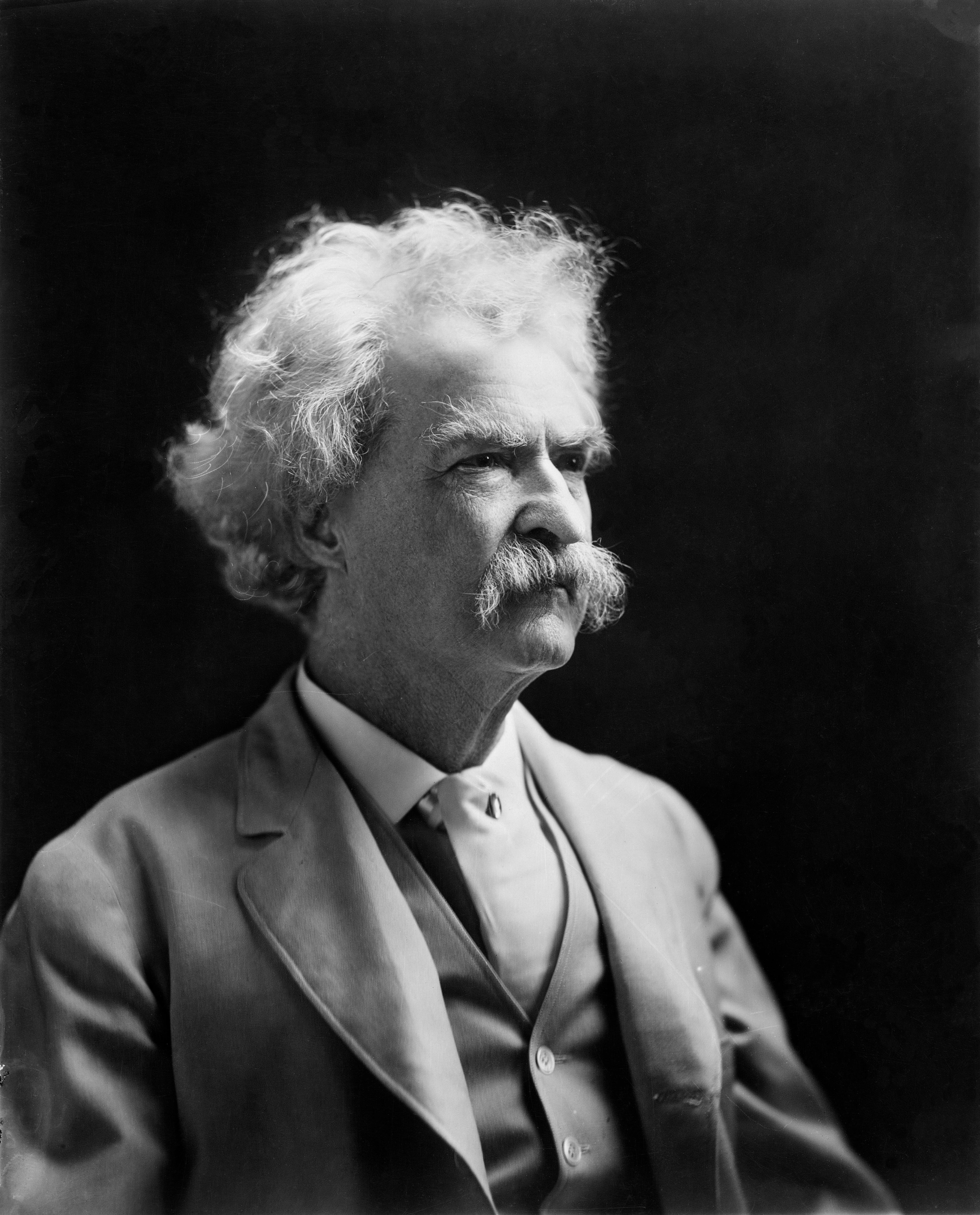
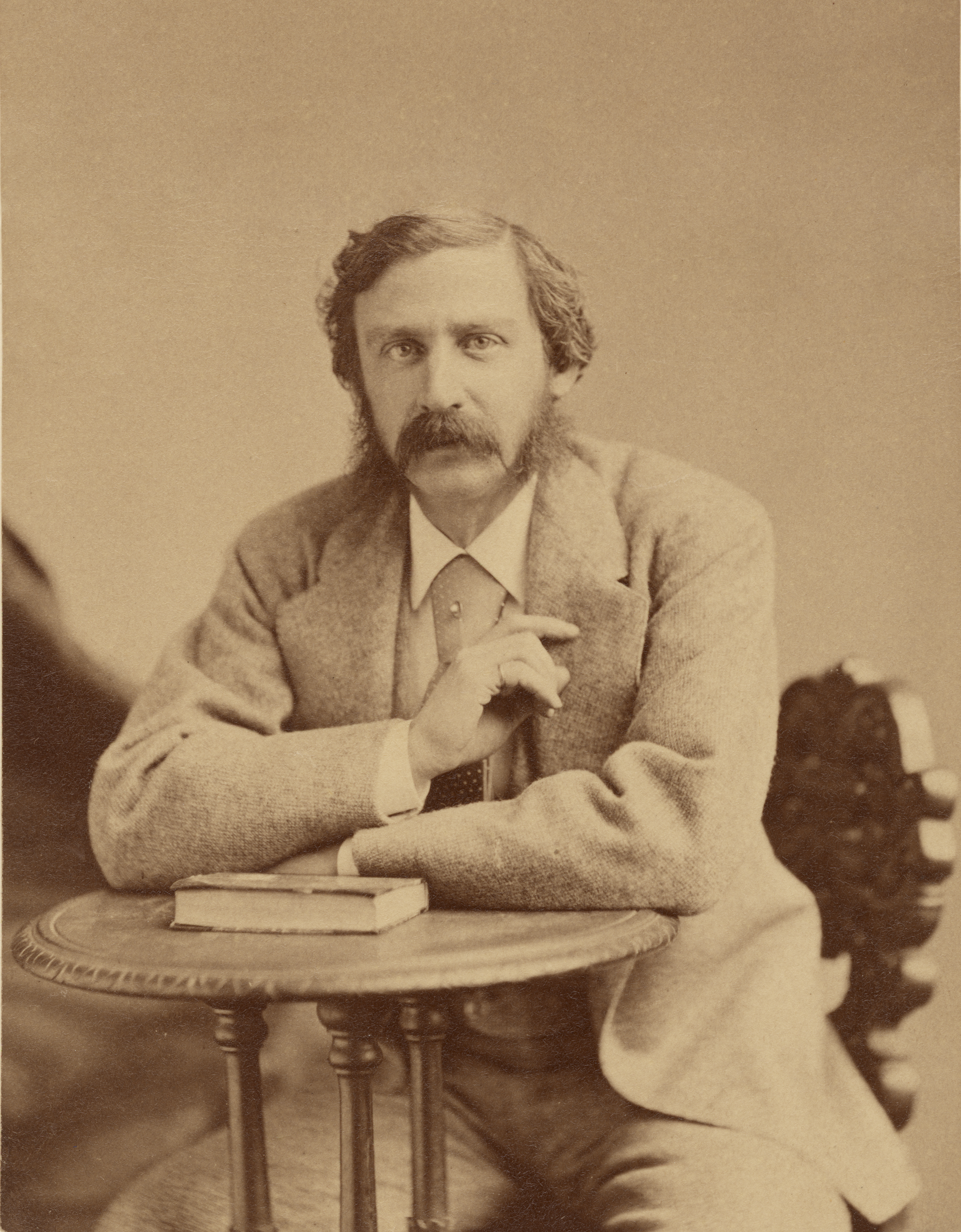
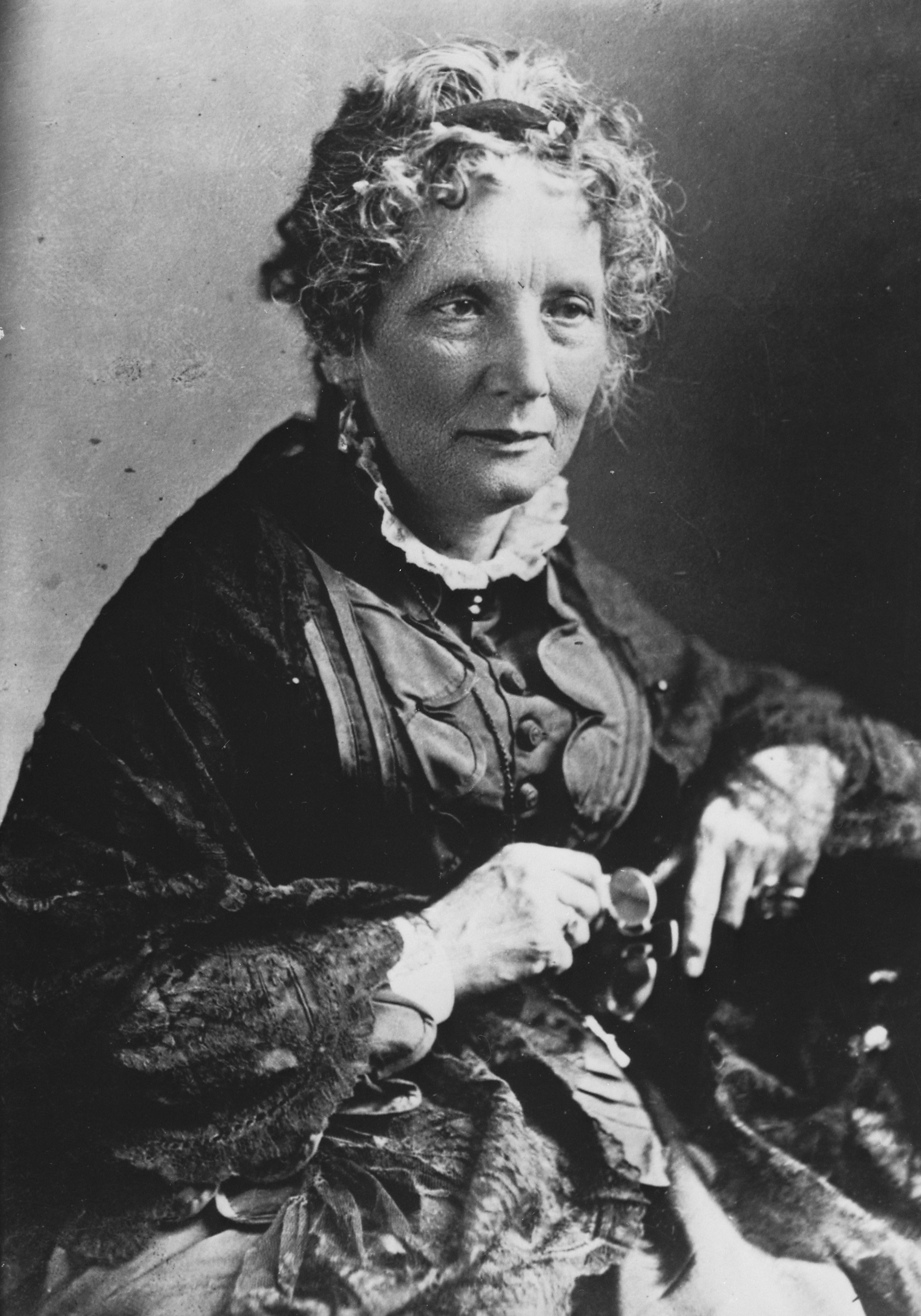
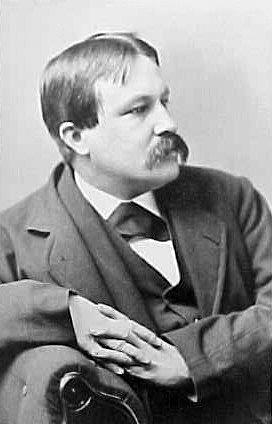
Link to this page
Add a free, dofollow link to Lex on your blog, forum, syllabus, or reading list.

<a href="https://lex-books.com/author/george-william-curtis"><img src="https://lex-books.com/badges/read-on-lex.svg" alt="George William Curtis on Lex" width="160" height="40"></a>[](https://lex-books.com/author/george-william-curtis)[url=https://lex-books.com/author/george-william-curtis][img]https://lex-books.com/badges/read-on-lex.svg[/img][/url]George William Curtis on Lex: https://lex-books.com/author/george-william-curtis