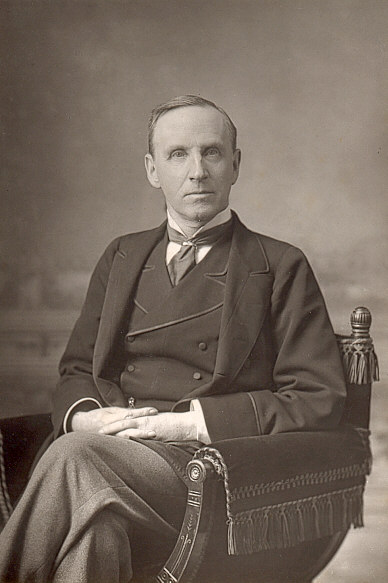
Robert Willis
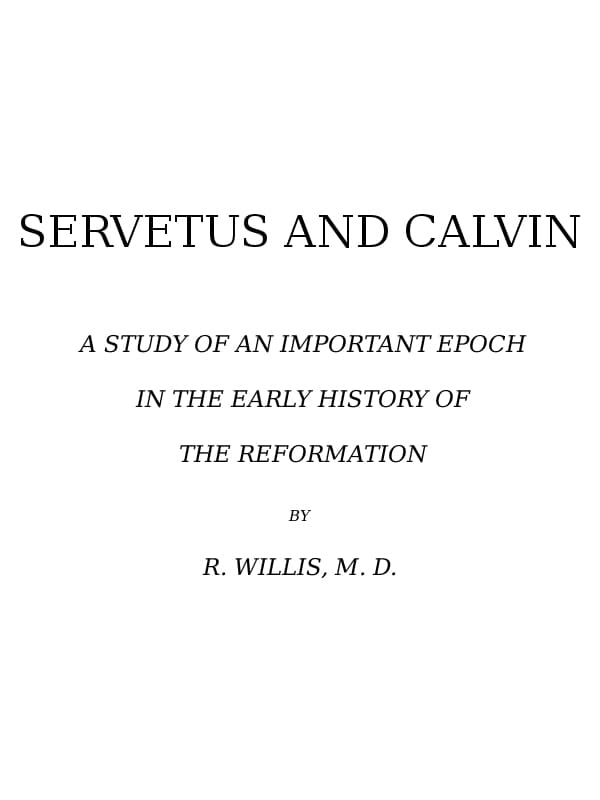
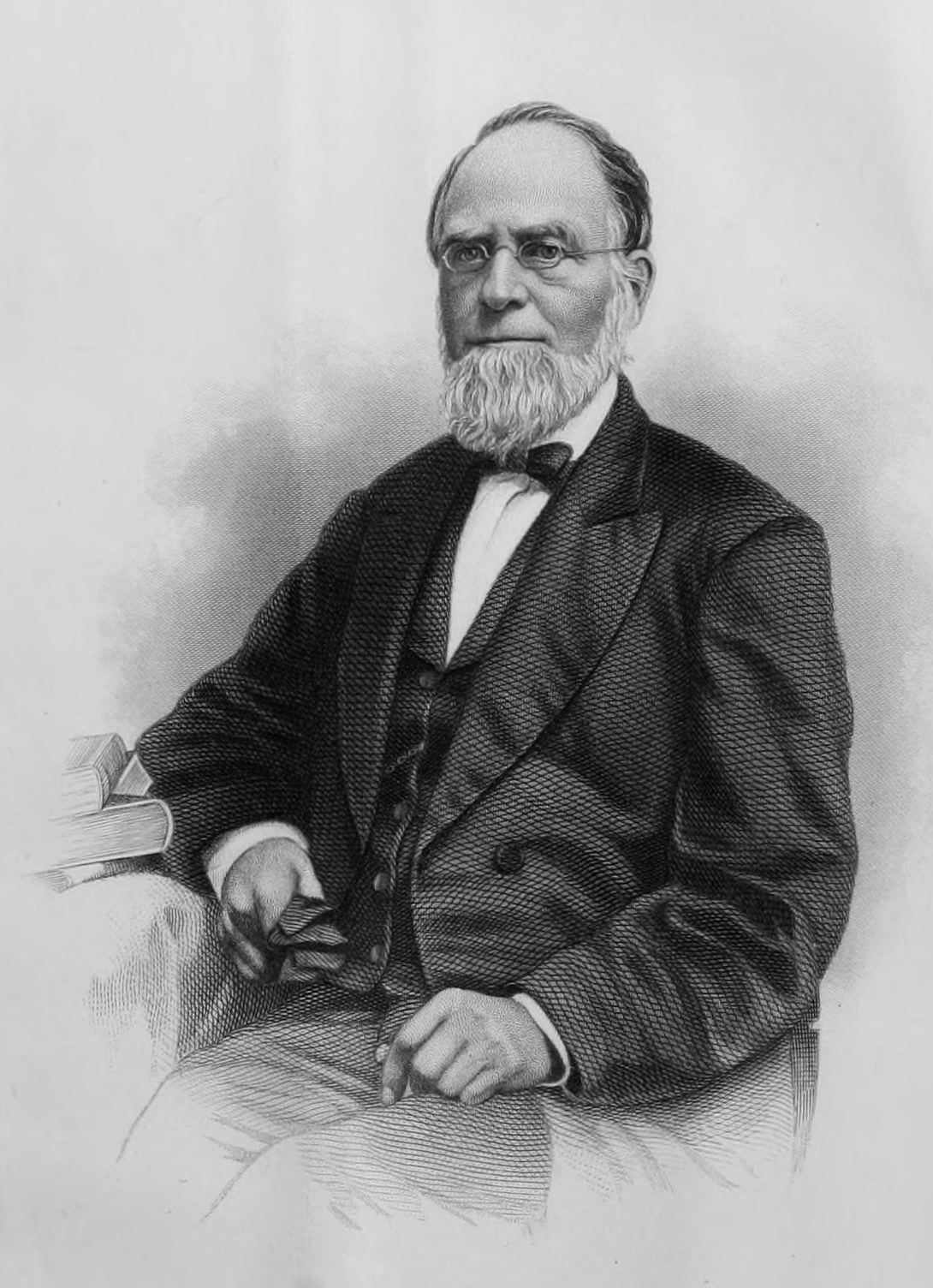
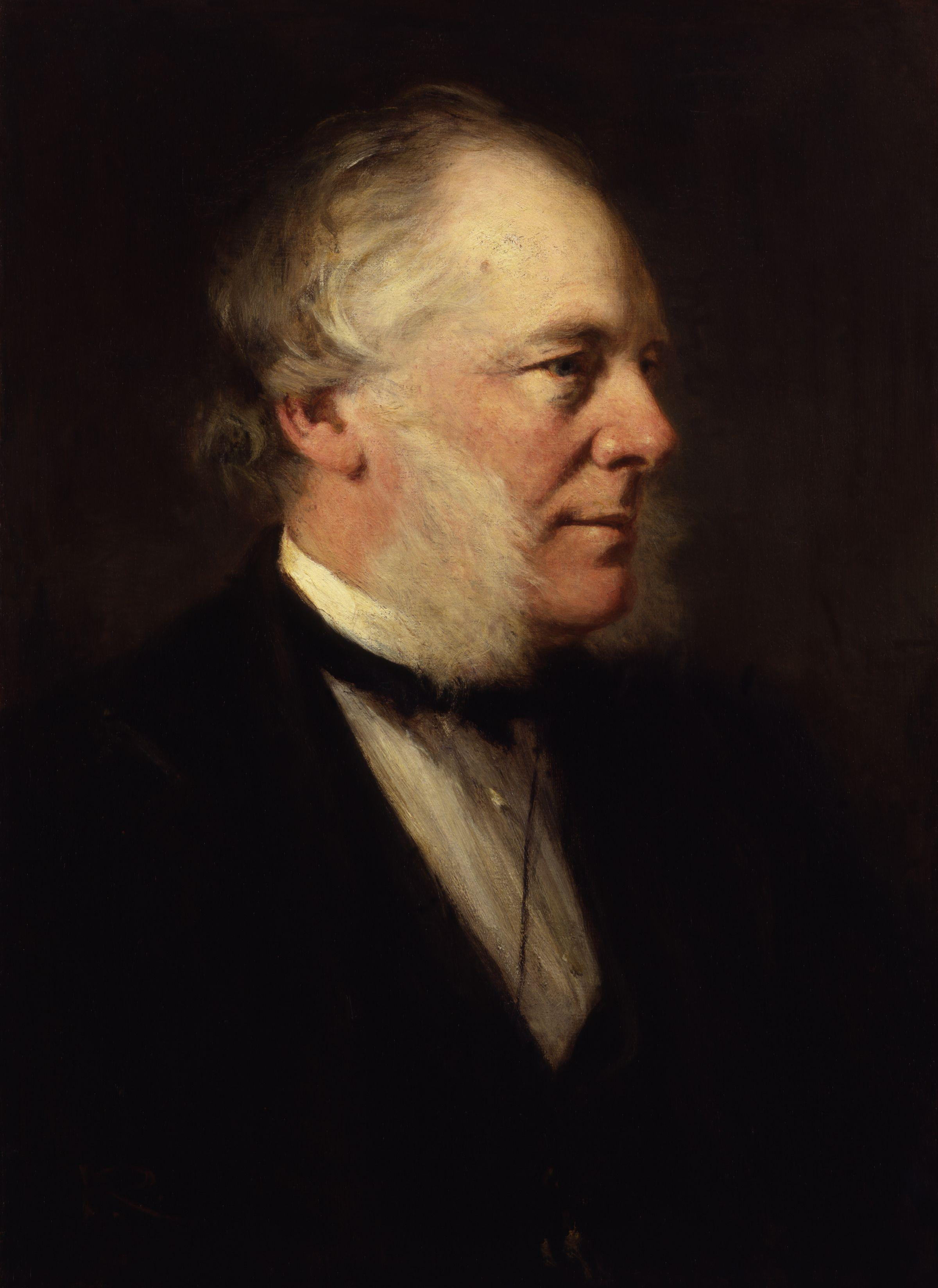
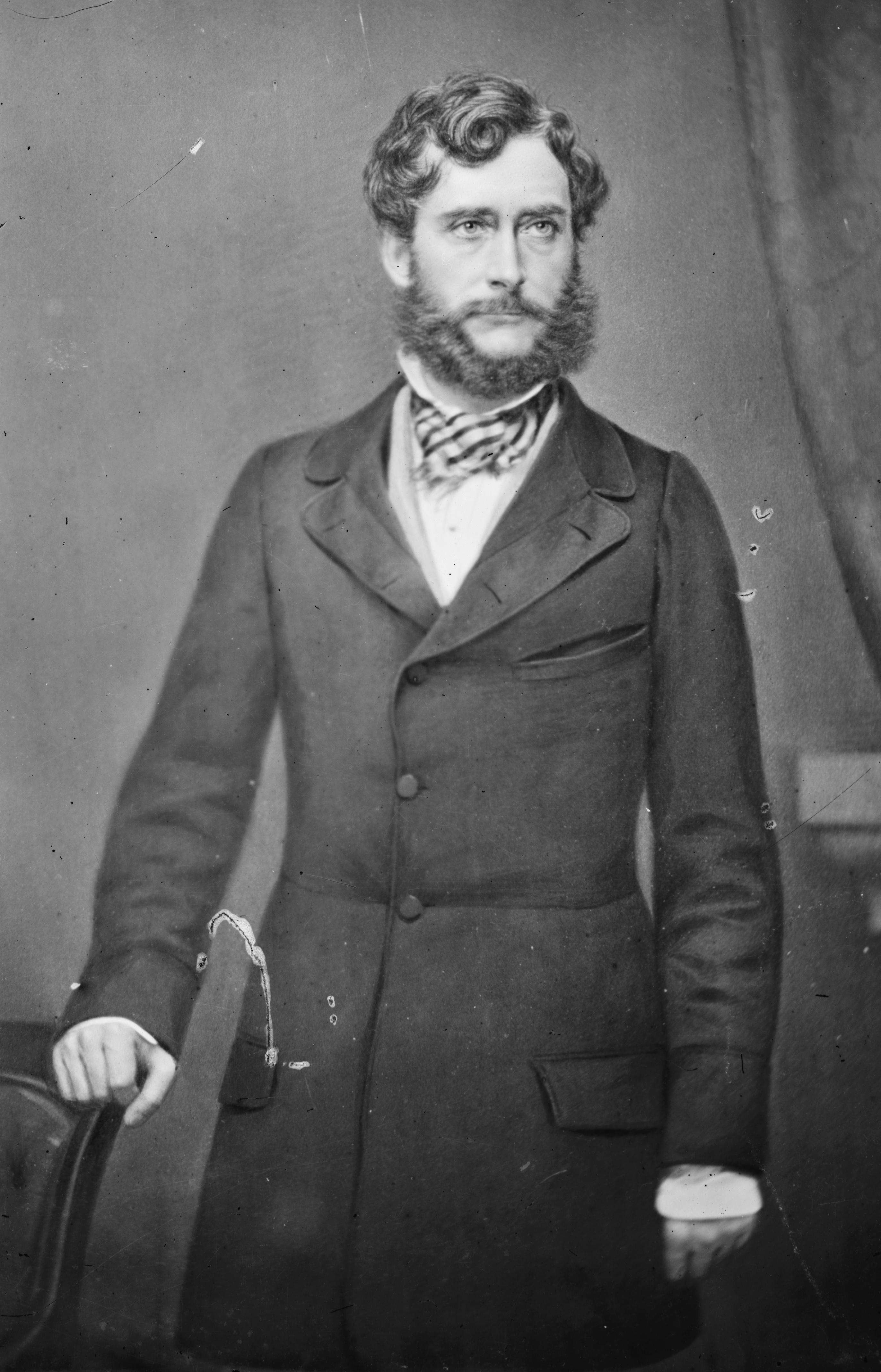
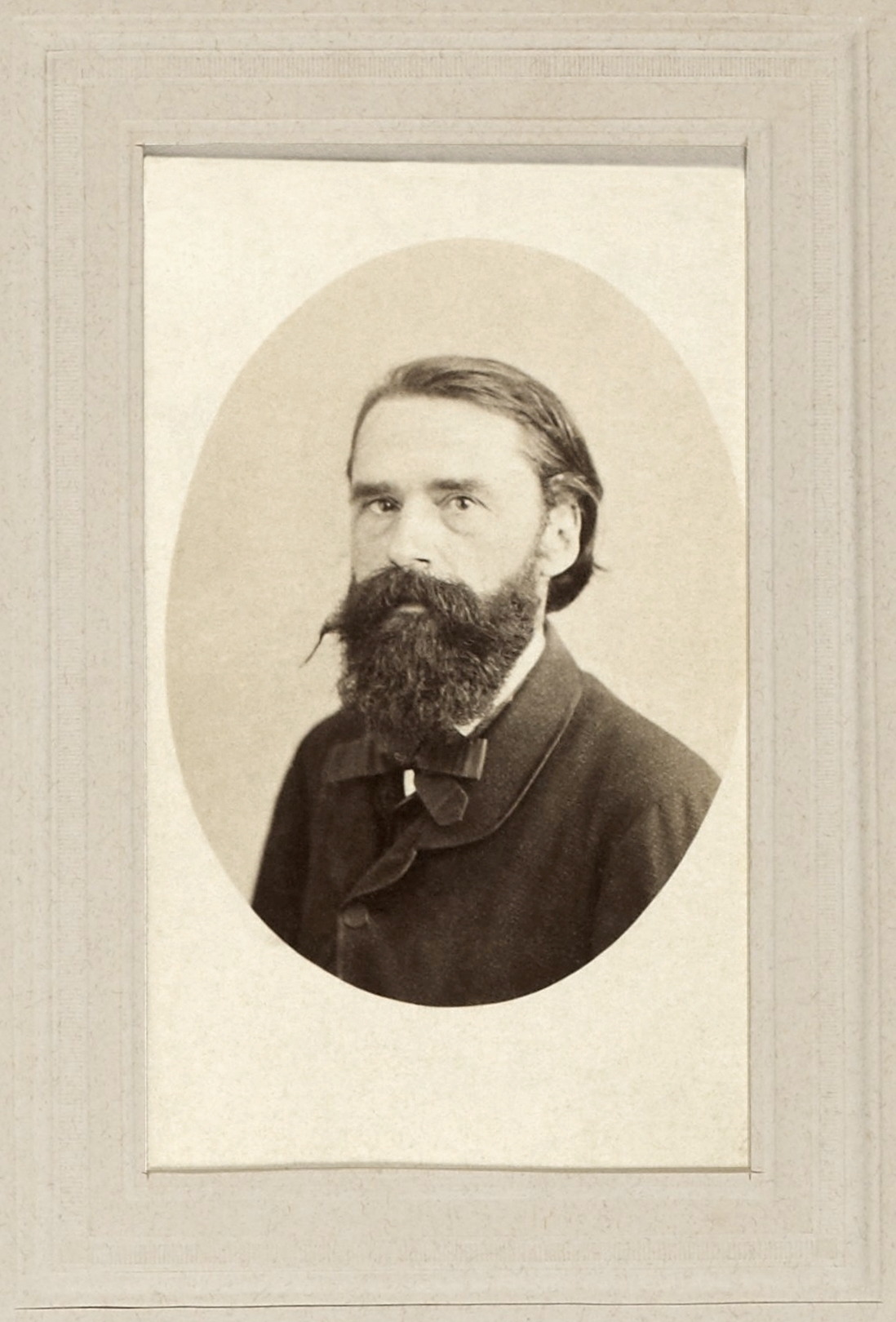
Robert Willis was a prominent English architect and historian, known for his extensive contributions to the study of architecture and the Reformation. Born in 1799, he dedicated his life to exploring the intersections of architecture, history, and theology. His notable works include 'Servetus and Calvin: A Study of an Important Epoch in the Early History of the Reformation,' which examined the theological conflicts of the Reformation period, highlighting the pivotal roles of figures like Michael Servetus and John Calvin. This work not only contributed to religious scholarship but also reflected Willis's deep engagement with the historical context of architectural developments. Willis's expertise in architecture is further evidenced in his writings such as 'Remarks on the Architecture of the Middle Ages, Especially of Italy' and 'The Architectural History of York Cathedral.' These texts showcase his meticulous analysis of medieval structures, emphasizing the significance of architectural design in understanding cultural and historical narratives. His work on the Church of the Holy Sepulchre at Jerusalem is particularly notable for its detailed examination of one of Christianity's most sacred sites. Through his scholarly pursuits, Willis left a lasting impact on the fields of architectural history and religious studies, influencing future generations of architects and historians alike. His legacy endures in the continued appreciation of medieval architecture and its historical implications.
Famous Quotes
View all 16 quotes“Both for practical reasons and for mathematically verifiable moral reasons, authority and responsibility must be equal - else a balancing takes place as surely as current flows between points of unequal potential. To permit irresponsible authority is to sow disaster; to hold a man responsible for anything he does not control is to behave with blind idiocy. The unlimited democracies were unstable because their citizens were not responsible for the fashion in which they exerted their sovereign authority... other than through the tragic logic of history... No attempt was made to determine whether a voter was socially responsible to the extent of his literally unlimited authority. If he voted the impossible, the disastrous possible happened instead - and responsibility was then forced on him willy-nilly and destroyed both him and his foundationless temple.””
“Just tell 'em you're gonna soak the fat boys and forget the rest of the tax stuff...Willie, make 'em cry, make 'em laugh, make 'em mad, even mad at you. Stir them up and they'll love it and come back for more, but, for heaven's sakes, don't try to improve their minds.””
“At first it was, as I have said, rather bracing and tonic. For after the dream there is not reason why you should not go back and face the fact which you have fled from (even if the fact seems to be that you have, by digging up the truth about the past, handed over Anne Stanton to Willie Stark), for any place to which you may flee will not be like the place from which you have fled, and you might as well go back, after all, to the place where you belong, for nothing was your fault or anybody's fault, for things are always as they are. And you can go back in good spirits, for you will have learned two very great truths. First, that you cannot lose what you have never had. Second, that you are never guilty of a crime which you did not commit. So there is innocence and a new start in the West after all.If you believe that dream you dream when you go there.””
Books from the author


Link to this page
Add a free, dofollow link to Lex on your blog, forum, syllabus, or reading list.

<a href="https://lex-books.com/author/robert-willis"><img src="https://lex-books.com/badges/read-on-lex.svg" alt="Robert Willis on Lex" width="160" height="40"></a>[](https://lex-books.com/author/robert-willis)[url=https://lex-books.com/author/robert-willis][img]https://lex-books.com/badges/read-on-lex.svg[/img][/url]Robert Willis on Lex: https://lex-books.com/author/robert-willis