Robert Hogg
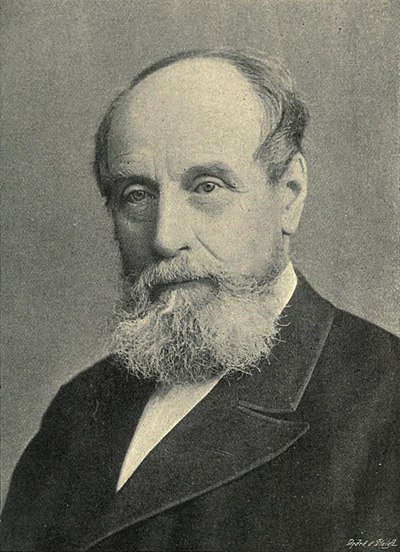
Robert Hogg was a prominent British horticulturist and pomologist, renowned for his extensive contributions to the study and classification of fruits and fruit trees. Born in 1818, Hogg dedicated his life to advancing the understanding of pomology, the science of fruit cultivation. His most notable work, 'British Pomology,' published in 1851, served as a comprehensive reference on the history, description, classification, and synonyms of the fruits and fruit trees of Great Britain. This seminal text not only cataloged a wide variety of species but also provided valuable insights into their cultivation and care, establishing Hogg as a leading authority in his field. Hogg's influence extended beyond his writings; he was actively involved in the horticultural community, contributing to various societies and journals. His passion for fruit cultivation and his meticulous approach to pomology helped to elevate the standards of fruit growing in Britain during the 19th century. Hogg's legacy endures through his detailed classifications and descriptions, which continue to be referenced by horticulturists and fruit enthusiasts alike. He passed away in 1897, leaving behind a rich body of work that has significantly shaped the study of fruit and horticulture in Britain.
Famous Quotes
View all 1 quotes“It is for his great mental faculties that I dread him," said he. "It is incalculable what evil such a person as he may do, if so disposed. There is a sublimity in his ideas, with which there is to me a mixture of terror; and, when he talks of religion, he does it as one that rather dreads its truths than reverences them. He, indeed, pretends great strictness of orthodoxy regarding some of the points of doctrine embraced by the reformed church; but you do not seem to perceive that both you and he are carrying these points to a dangerous extremity. Religion is a sublime and glorious thing, the bonds of society on earth, and the connector of humanity with the Divine nature; but there is nothing so dangerous to man as the wresting of any of its principles, or forcing them beyond their due bounds: this is of all others the readiest way to destruction. Neither is there anything so easily done. There is not an error into which a man can fall which he may not press Scripture into his service as proof of the probity of, and though your boasted theologian shunned the full discussion of the subject before me, while you pressed it, I can easily see that both you and he are carrying your ideas of absolute predestination, and its concomitant appendages, to an extent that overthrows all religion and revelation together; or, at least, jumbles them into a chaos, out of which human capacity can never select what is good. Believe me, Mr. Robert, the less you associate with that illustrious stranger the better, for it appears to me that your creed and his carries damnation on the very front of it.””
Books from the author
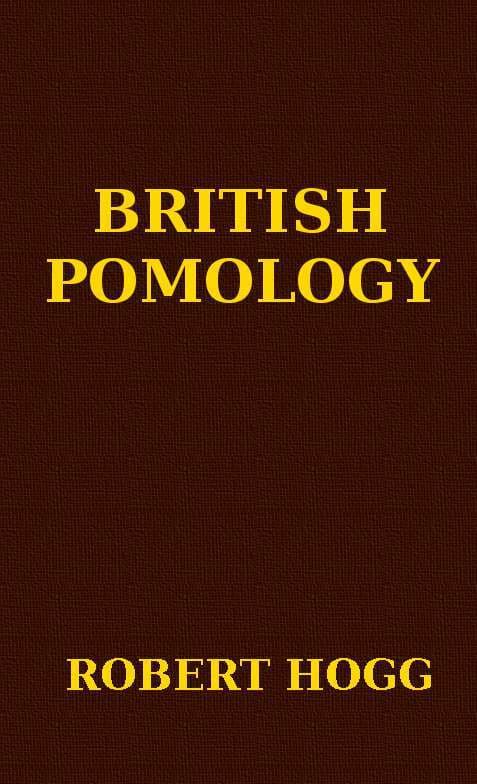


Link to this page
Add a free, dofollow link to Lex on your blog, forum, syllabus, or reading list.

<a href="https://lex-books.com/author/robert-hogg"><img src="https://lex-books.com/badges/read-on-lex.svg" alt="Robert Hogg on Lex" width="160" height="40"></a>[](https://lex-books.com/author/robert-hogg)[url=https://lex-books.com/author/robert-hogg][img]https://lex-books.com/badges/read-on-lex.svg[/img][/url]Robert Hogg on Lex: https://lex-books.com/author/robert-hogg