Tongues of Conscience
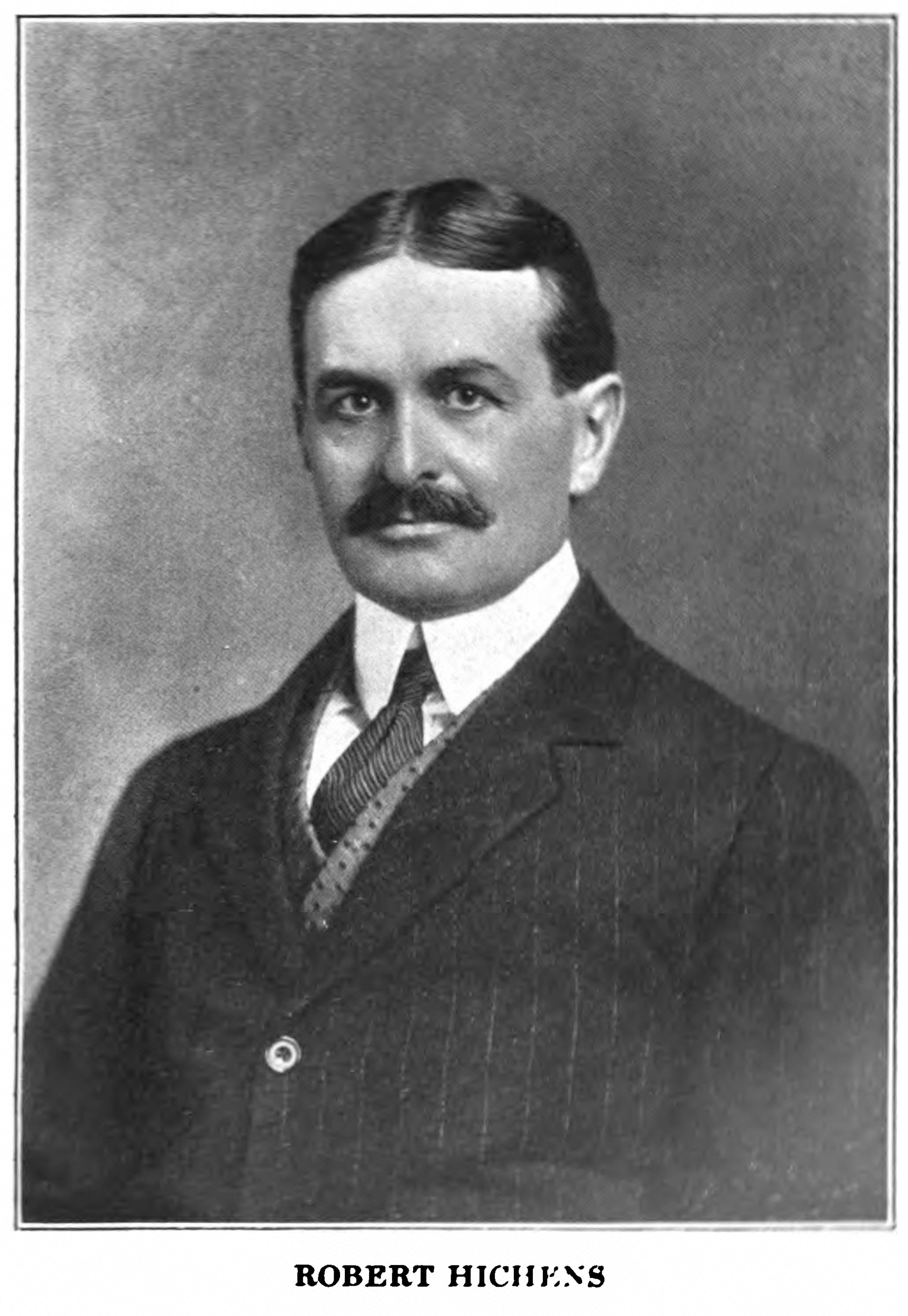
On a remote island where the sea seems to lap against the edges of the soul, two haunted men collide: Rev. Peter Uniacke, a clergyman who has glimpsed the darker currents beneath human nature, and Sir Graham Hamilton, a celebrated painter whose brilliance cannot free him from the memory of a young boy named Jack. Hamilton carries a guilt so profound it has become indistinguishable from his art itself, a burden that drove him to this isolated shore in search of something he cannot name. What unfolds is not a conventional narrative but an excavation of conscience, a slow unraveling of what it means to live with the consequences of one's choices. The novel moves through lush atmospheric terrain, from the cacophony of London to the meditative silence of the island, as both men confront the question that shadows every human being: can the sins of the past ever truly be outlived? Hichens writes with psychological acuity and a poet's ear for the unspoken, crafting a meditation on guilt that feels startlingly modern despite its Victorian origins. For readers who savor the interior landscapes of characters wrestling with their own morality, this is a quiet masterpiece of haunted regret.
Editions
Link to this book
Add a free, dofollow link to Lex on your blog, forum, syllabus, or reading list.

<a href="https://lex-books.com/book/tongues-of-conscience-35c6e3c3-1f63-4d56-89b1-c8ae4d82078d"><img src="https://lex-books.com/badges/read-on-lex.svg" alt="Read Tongues of Conscience by Robert Hichens free on Lex" width="160" height="40"></a>[](https://lex-books.com/book/tongues-of-conscience-35c6e3c3-1f63-4d56-89b1-c8ae4d82078d)[url=https://lex-books.com/book/tongues-of-conscience-35c6e3c3-1f63-4d56-89b1-c8ae4d82078d][img]https://lex-books.com/badges/read-on-lex.svg[/img][/url]Read Tongues of Conscience by Robert Hichens free on Lex: https://lex-books.com/book/tongues-of-conscience-35c6e3c3-1f63-4d56-89b1-c8ae4d82078dCite this book
Reading this edition for a paper or guide? Copy a citation.
Hichens, Robert. Tongues of Conscience. Lex, lex-books.com/book/tongues-of-conscience-35c6e3c3-1f63-4d56-89b1-c8ae4d82078d.Hichens, R. (n.d.). Tongues of Conscience. Lex. https://lex-books.com/book/tongues-of-conscience-35c6e3c3-1f63-4d56-89b1-c8ae4d82078dHichens, Robert. Tongues of Conscience. Lex. https://lex-books.com/book/tongues-of-conscience-35c6e3c3-1f63-4d56-89b1-c8ae4d82078d.