Robert Ferguson
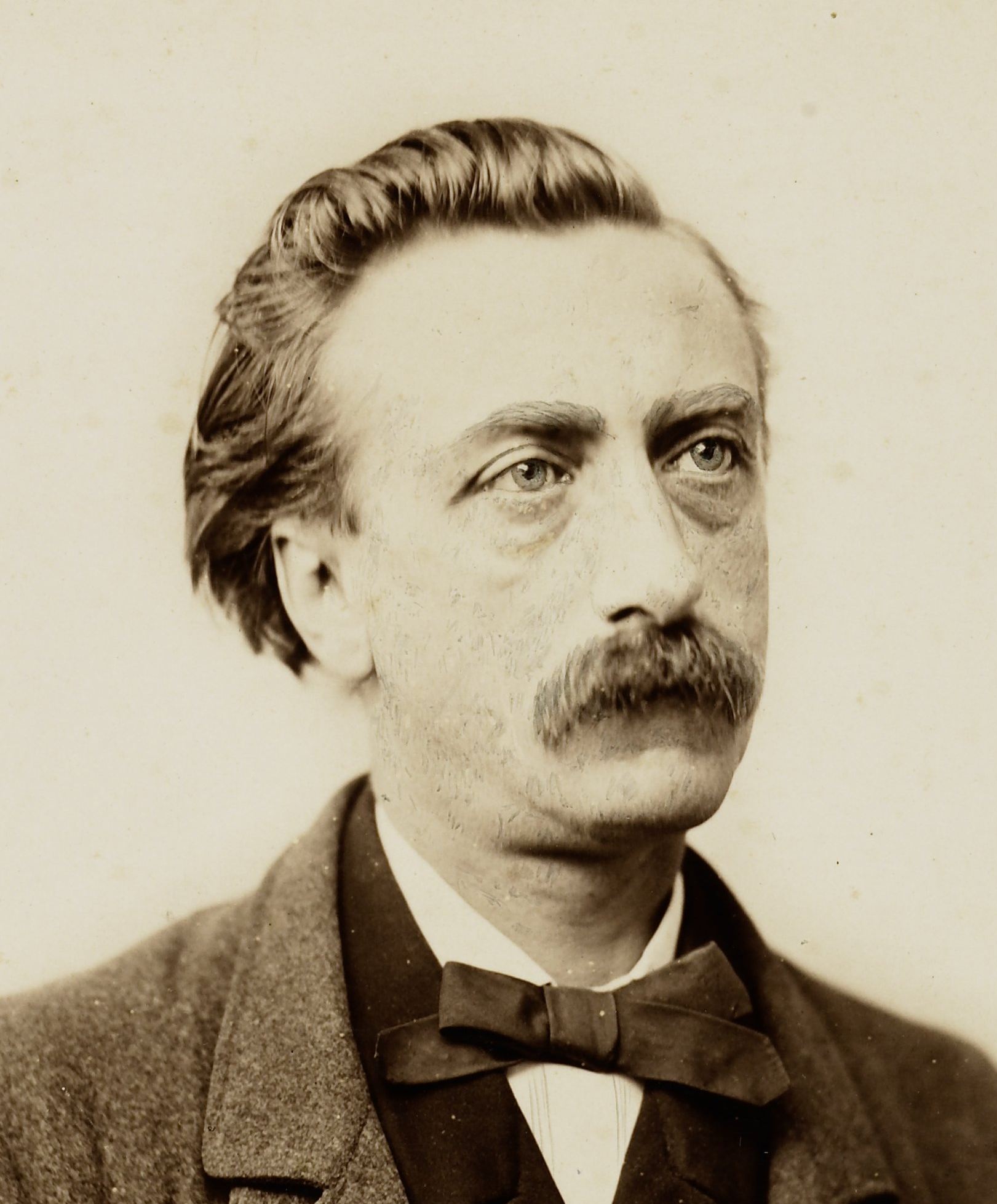
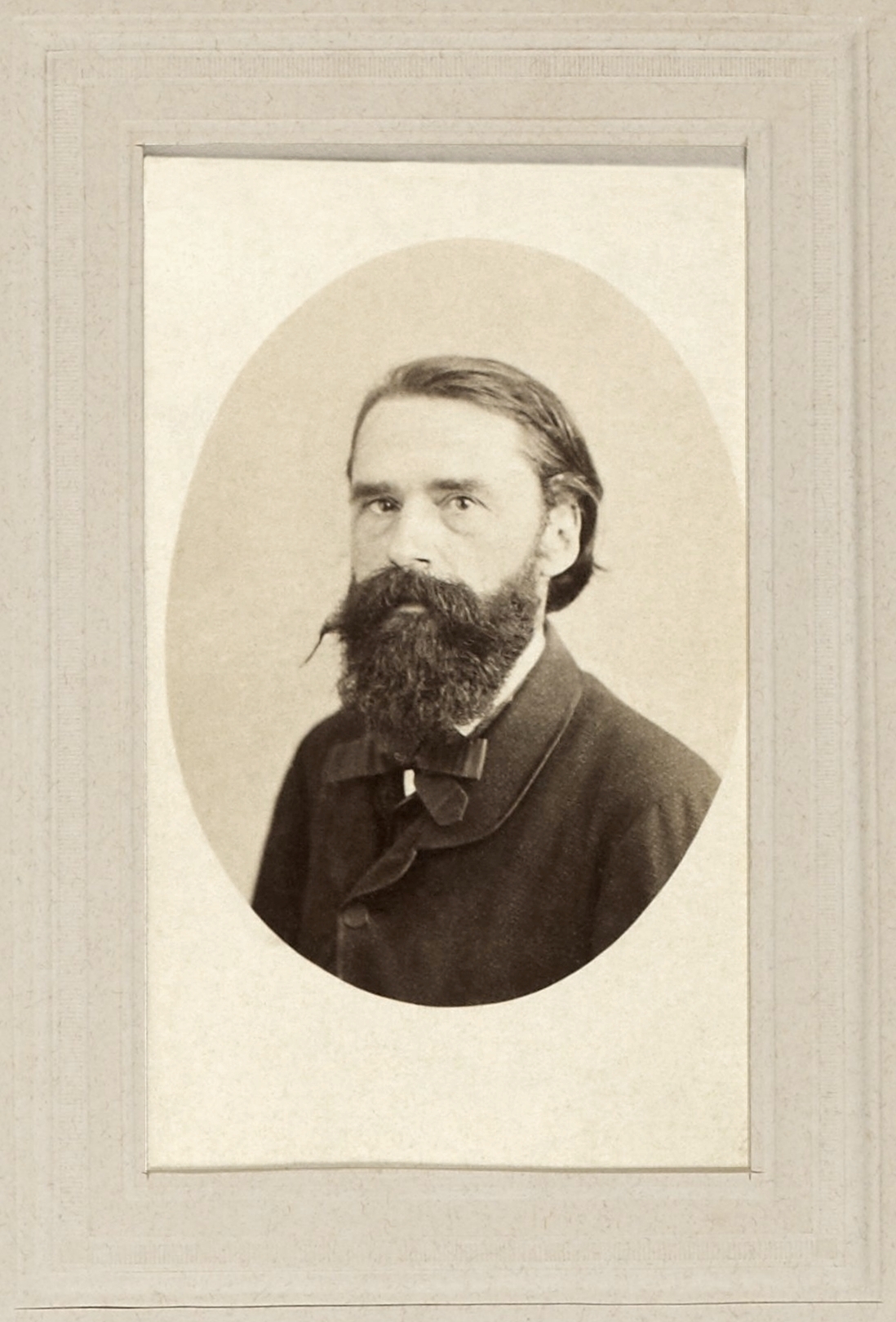
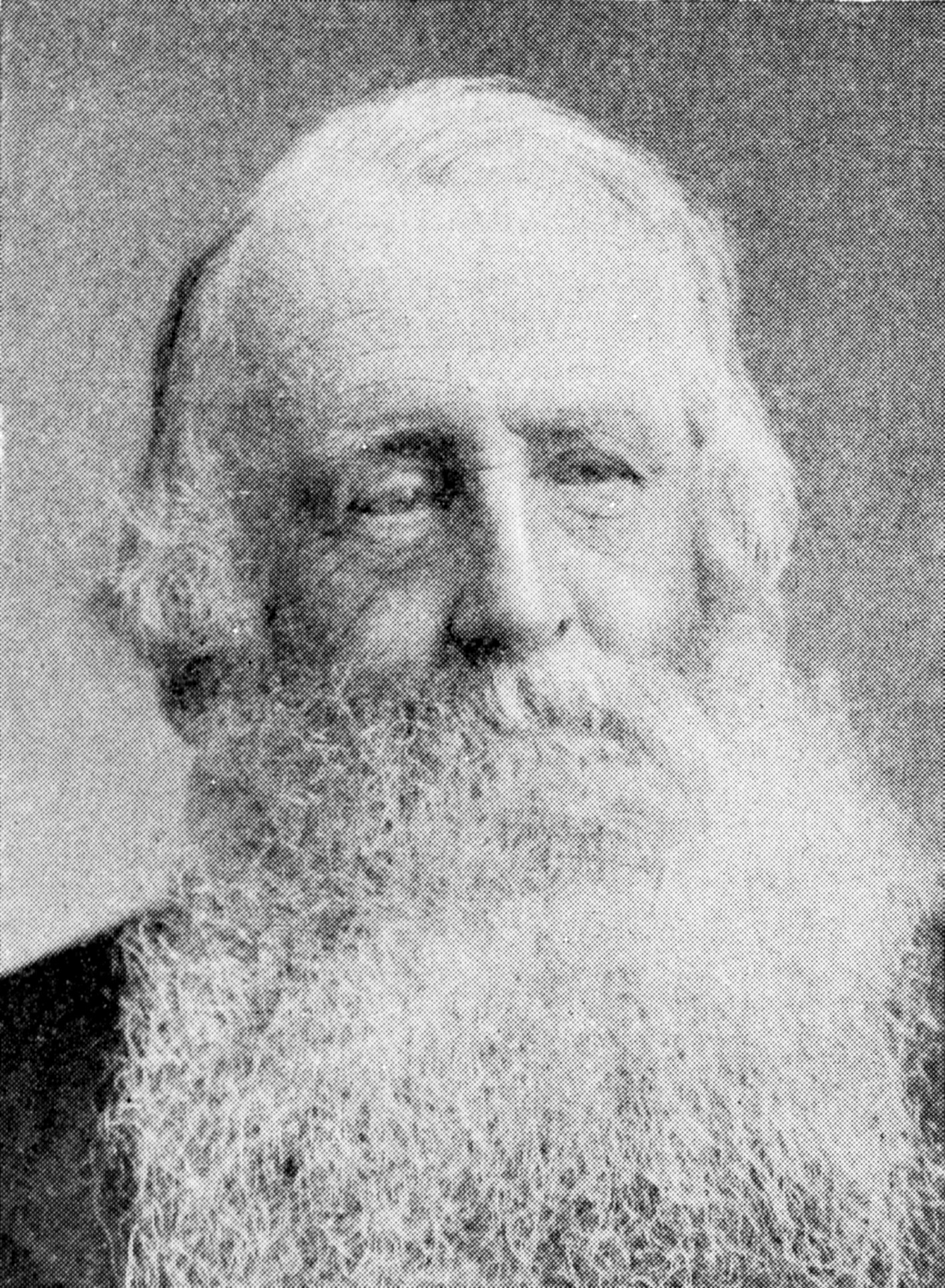
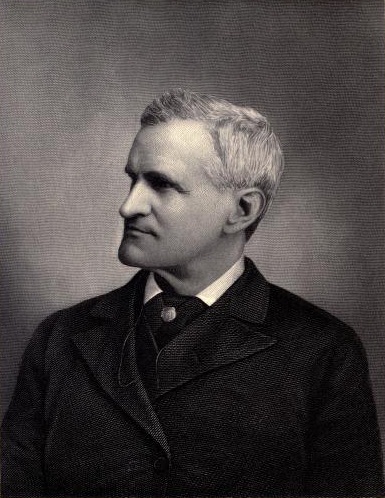
Robert Ferguson was a Scottish author and scholar known for his contributions to the fields of onomastics and geography. His work often explored the intricacies of names and their significance, as seen in his notable publication, 'Surnames as a Science,' where he delved into the origins and meanings of family names, laying groundwork for future studies in the field. Ferguson's scholarly approach combined linguistic analysis with cultural history, making his work a valuable resource for understanding the evolution of surnames in the British Isles and beyond. In addition to his studies on names, Ferguson authored 'The River-Names of Europe,' a comprehensive examination of the etymology and historical context of European river names. This work not only highlighted the geographical significance of these waterways but also reflected the cultural narratives associated with them. His book 'The Social Pipe: Or, Gentleman's Recreation' further showcased his interest in social customs and leisure activities, offering insights into the recreational practices of his time. Through these diverse works, Ferguson contributed to the understanding of language, geography, and social customs in the 19th century, leaving a lasting impact on the study of names and their cultural significance.
Famous Quotes
View all 18 quotes“At the end of one of the bookshelves she picked up a very old book. It was truly ancient, and woven into the cover was a motif of joined hands which merged into three words: Aonaibh Ri Chéile. The dedication on the inside cover was simply “To Elbeth with Love.” The author was someone called Angus Ferguson””
“The skies were filled with an unreal fire; blue, burnt with amber, red, orange and yellow. This fire was no natural thing. It clawed across the sky, and below it all life shivered and retreated. The land lay scorched, the mountains and glens trembling.The man stood pale in the false light, a statue, watching. Then he moved, shaking off the stillness, and looked towards the power that shook the world. His clenched fist opened and clean white light leapt to the sky. A huge concussion rocked the mountains. All light was quenched. The sky turned black, then clear and blue. A distant rainbow promised that all was well and God still cared for this lost land.Alastair Munro fell back, the soft heather a safety net, all power gone, all anger lost. Angus Ferguson was beside him as ever, a reassuring voice, a reminder of why Munro was there, why he must go on, why this was his destiny””
“This life is back to front. It’s terrible, unendurable. . . . No one comes back from the dead, no one has come into the world without crying. No one asks when you want to enter the world, no one asks when you want to leave . . . How empty and meaningless life is. We bury a person; follow him to the grave, throw three shovels of dirt over him. We drive out in a coach and drive back in a coach, and console ourselves with the thought of our own long lives. But really, how long is three score and ten? Why not just get it over with straight away? Why not stay out there, hop down into the grave ourselves and draw lots to see who has the bad luck to be the last one alive, the one to throw the last three shovels of dirt over the last dead person? (Either/Or, 1843) In””
Books from the author


Link to this page
Add a free, dofollow link to Lex on your blog, forum, syllabus, or reading list.

<a href="https://lex-books.com/author/robert-ferguson"><img src="https://lex-books.com/badges/read-on-lex.svg" alt="Robert Ferguson on Lex" width="160" height="40"></a>[](https://lex-books.com/author/robert-ferguson)[url=https://lex-books.com/author/robert-ferguson][img]https://lex-books.com/badges/read-on-lex.svg[/img][/url]Robert Ferguson on Lex: https://lex-books.com/author/robert-ferguson