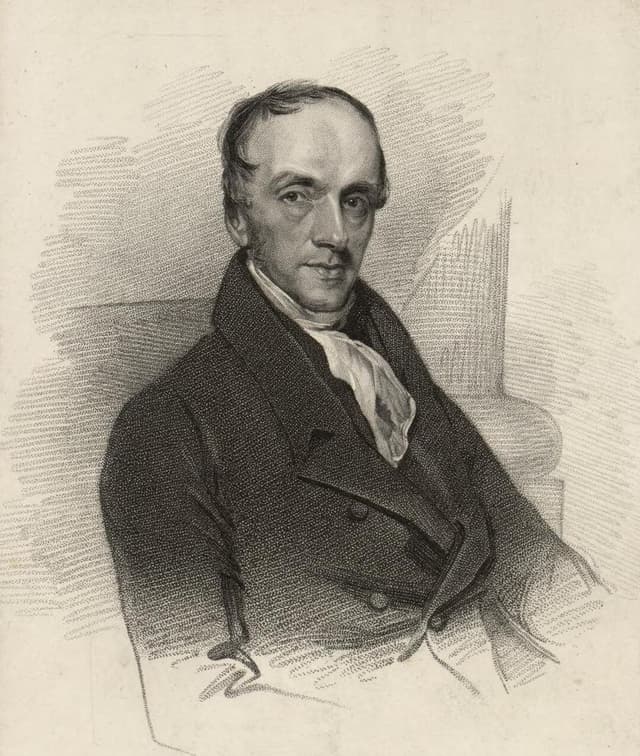
Richard Watson
**Richard Watson** (1781 - 1833) Richard Watson was a British Methodist theologian considered an important figures in 19th century Methodism. Watson was born in 1781 in Barton-upon-Humber, Lincolnshire, England and the family moved to Lincoln in 1789 to continue his training. Following his conversion in 1795, Watson chose to serve in the Methodist Society where his gift of prayer and exhortation became known. At age 15, Watson preached his first sermon in a village near Lincoln. His professional life consisted of preaching, serving as Secretary and President of a Methodist Conference and developing the Wesleyan Missionary Society. He entered the Methodist itinerancy in 1796. Watson was a gifted writer and theologian. In 1818 he wrote a reply to Adam Clarke's doctrine of the eternal Sonship of Christ; Watson believed that Clarke's views were unorthodox and, therefore, not faithfully Wesleyan. In 1823 he began to publish his Theological Institutes, which remained a standard for many years. It was the first attempt to systematize John Wesley's theology and by extension Methodist doctrine, serving as secretary to the Wesleyan Missionary Society from 1821 to 1825 and as President of Conference in Britain in 1826. In 1831 he wrote a well-regarded life of Lincolnshireman John Wesley (1703-1791) and in Britain, he was a leading opponent of slavery. Watson died in 1833 in Myddelton Square, London, England.
Famous Quotes
View all 3 quotes“Devices like iPhones and BlackBerries invite (demand!) constant use. They are like packets of cigarettes that ask us never to leave them alone or bottles of pills that seek to change our minds and punish us when we try to withdraw from them. We think cellphones are connecting us, but they are turning us into a society of rude, impatient, narrow-minded, stressed-out, aggressive, and isolated individuals. They invite reaction rather than reflection.”
“Music can trigger feelings, which in turn produce thoughts and images in our minds — it is these thoughts and images that can become novel solutions and innovative new ideas. Music is therefore directly related to the production of new ideas.”
“Οι βιβλιοθήκες είναι κάτι παραπάνω από νούμερα, πληροφορίες ή συλλογές. Οι βιβλιοθήκες είναι πιο πολύ χώροι που ενώνουν ανθρώπους και ιδέες στις τοπικές κοινωνίες. Είναι σημεία αναφοράς όπου οι άνθρωποι ανταλλάσουν γνώση, σοφία, σκέψεις και πάνω από όλα ανθρώπινη αξιοπρέπεια και αλληλεγγύη»”
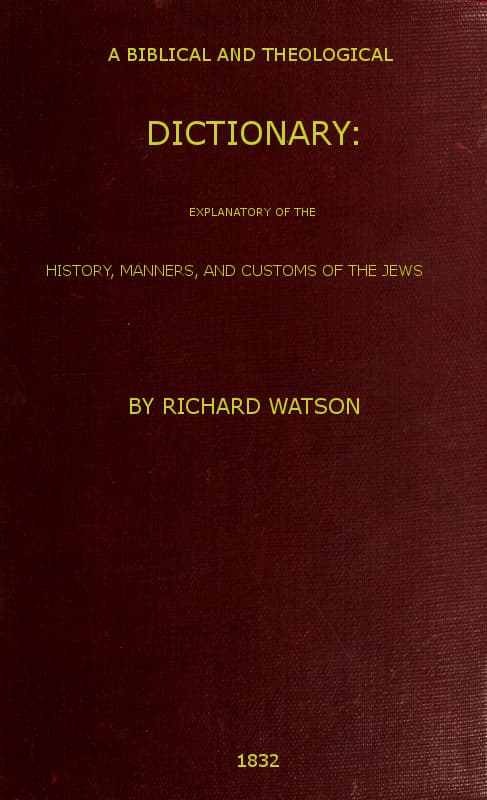
Books from the author




Link to this page
Add a free, dofollow link to Lex on your blog, forum, syllabus, or reading list.

<a href="https://lex-books.com/author/richard-watson"><img src="https://lex-books.com/badges/read-on-lex.svg" alt="Richard Watson on Lex" width="160" height="40"></a>[](https://lex-books.com/author/richard-watson)[url=https://lex-books.com/author/richard-watson][img]https://lex-books.com/badges/read-on-lex.svg[/img][/url]Richard Watson on Lex: https://lex-books.com/author/richard-watson